


As 2026 begins, Google’s Pixel phones are undoubtedly some of the best handsets you can buy.
A decade after the line made its debut, Google is now well-established as a leading smartphone maker, offering the synergy between hardware and software that no Android phone rivals can match.
While Apple’s iPhone and Samsung Galaxy remain the big players in the UK and US, Pixels are definitely on an upward curve.
There are various reasons to buy a Pixel over the competition, including some of the best cameras you’ll find on any smartphone. You can also expect a clean, bloatware-free software experience and excellent long-term support. And, as Google makes Android, Pixels are always first in line for the next major version.
But which should you buy? Tech Advisor has reviewed every single Pixel phone that’s ever been released, but there are only nine that we’d recommend buying in 2026. The list below is in order, but you might find something lower down will suit you best, especially if you have specific requirements or a budget in mind.
Not set on a Pixel? Consider one of the best budget phones, best mid-range phones or best phones overall.
Best Google Pixel phone reviews
1. Google Pixel 10 Pro XL – Best Overall
Pros
- Gorgeous design and display
- Superb camera experience
- Brilliant Android 16 software with long support
- Solid battery life
- The best wireless charging on Android
Cons
- Big and bulky
- 100x zoom is disappointing
- Even more expensive

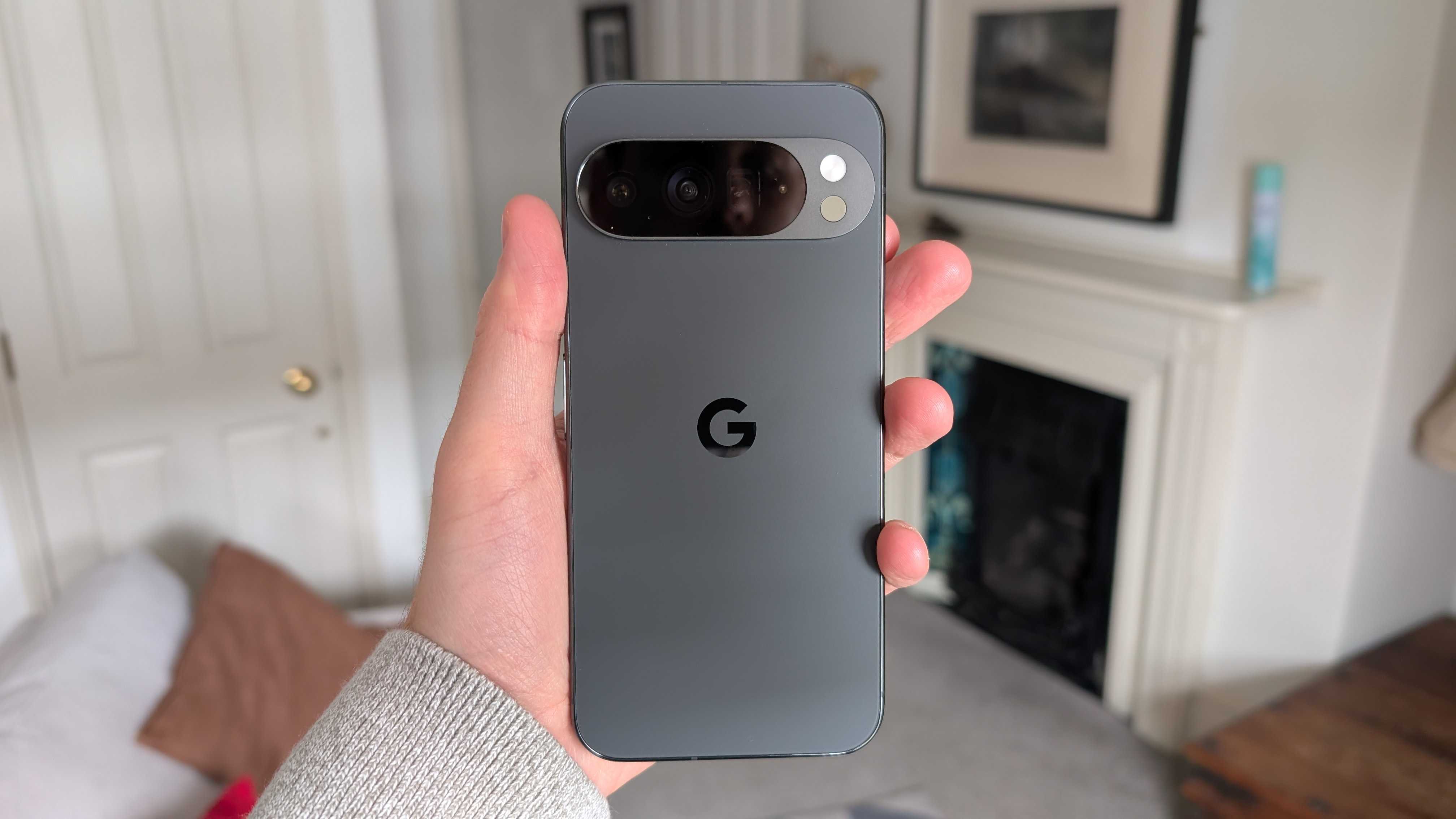
Google’s beefy XL flagship is now in its second iteration and the concept has never been better. It’s the full Google Pixel experience but with a few extra quality of life features that make it stand out amongst top-tier phones like the iPhone 16 Pro Max and the Samsung Galaxy S25 Ultra. The only major problem is that with a price increase bringing it up to £1199/$1199 (due to the smallest storage capacity being dropped), the privilege of owning the Pixel 10 Pro XL doesn’t come cheap.
Out of all the options available within the Pixel 10 range, there are two main reasons why you should consider plumping for the XL: the display and the battery life. On the former, the Pixel 10 Pro XL’s massive 6.8-inch screen is brighter than ever at 3300 nits, and the 120Hz OLED panel boasts stunning colours and contrast that really make everything pop, whether you’re watching a film or just scrolling through social media.
With regards to the battery, the massive 5200mAh cell ensures that the 10 Pro XL is the only phone within the latest Pixel range that can last for up to two-days on a single charge. Of course, whether or not you reach that longevity depends on how you use the device, but it does mean that you won’t have to deal with any battery anxiety if you really push it over the course of a day with plenty of camera use and photo editing.
Just as you’d expect from a top-tier Pixel phone, the triple-camera array is excellent as always, getting the best possible shot in any scenario, although given that the cameras on the cheaper Pixel phones are also great, we only recommend opting for the 10 Pro XL as an upgrade if you’re going to make use of the full feature set. If you prefer the idea of having a more compact flagship to hand, then the Pixel 10 Pro fits the bill nicely.
Who should buy the Pixel 10 Pro XL?
True Pixel fans who want a flagship experience with zero compromises.
Pixel 10 Pro XL: Further considerations
The increased price arguably makes the Pixel 10 Pro a better buy for many people.
Read our full Google Pixel 10 Pro XL review
2. Google Pixel 9a – Best Mid-Range
Pros
- Attractive display
- Strong main and selfie cameras
- Solid battery life
- Updates until 2032
Cons
- No telephoto camera
- Slow charging
- Polarising design
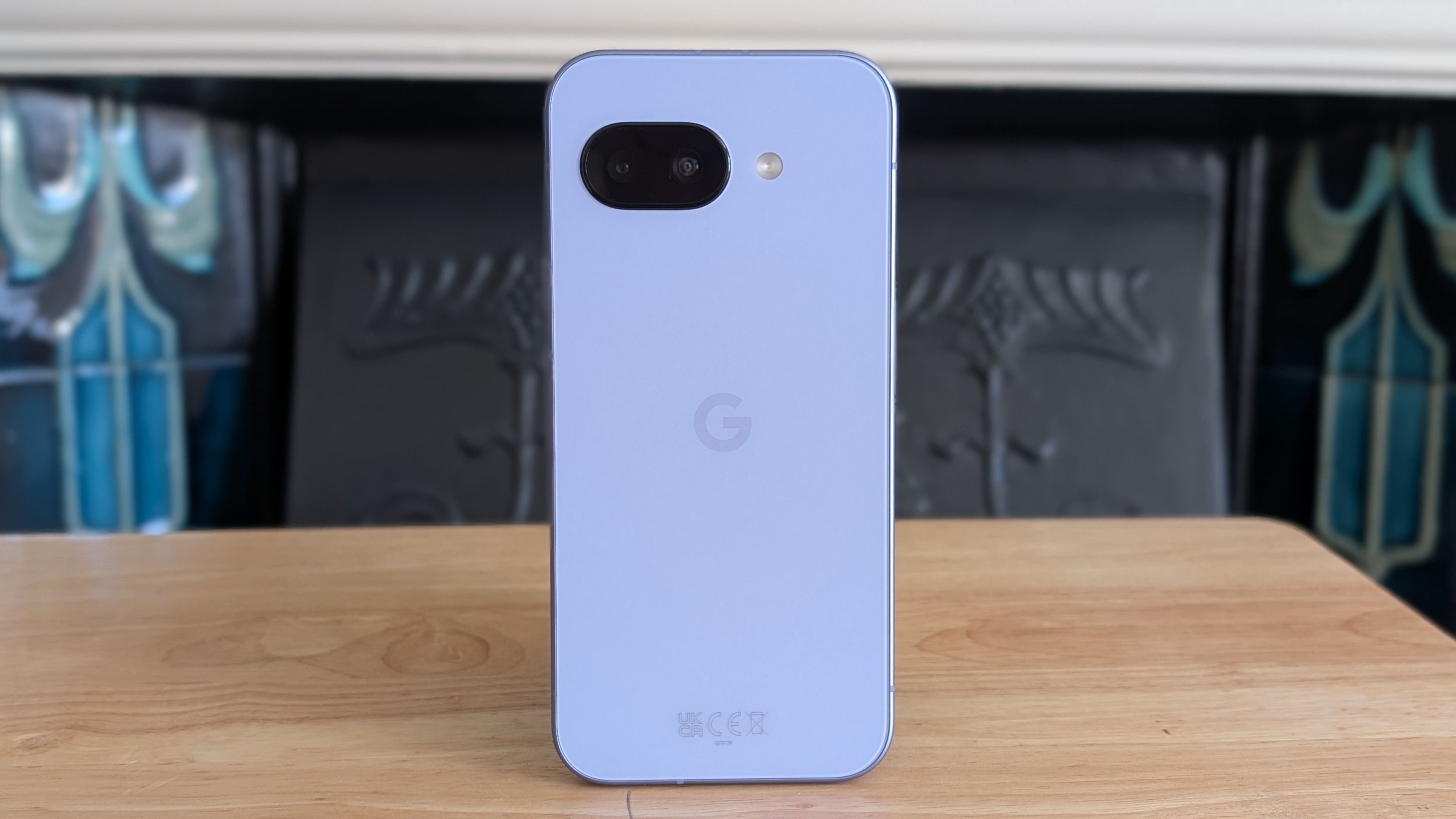
The Pixel 9a is a very close runner-up to the 9 Pro XL, and arguably the easiest phone to recommend on the market. If you only have around £500/$500 to spend, just get this – you’re unlikely to be disappointed.
It retains all the fundamentals of a great Pixel phone experience, including an excellent main camera, strong battery life and solid performance. Also, despite the more compact 6.3-inch design, battery life is still solid.
That’s before we even get to the software experience, which is missing a few AI features but nothing of real note. And Google’s seven policy is better than most similarly priced competition.
However, the lack of a telephoto lens severely limits the camera’s usability for zoom shots, while 23W charging can be frustrating. But at the price, it’s easy to overlook these when you see everything else you’re getting for your money.
Who should buy the Google Pixel 9a?
Anyone who wants a great mid-range phone that will stand the test of time.
Google Pixel 9a: Further considerations
Look elsewhere if you want a bigger display or better zoom photography. Also, the Pixel 10a is expected to launch soon, so you might want to wait for that.
Read our full Google Pixel 9a review
3. Google Pixel 10 – Best Value Flagship
Pros
- Qi2 magnetic charging
- Premium design
- Excellent cameras
- Useful AI features
Cons
- 128GB doesn’t feel like enough
- Mixed battery life
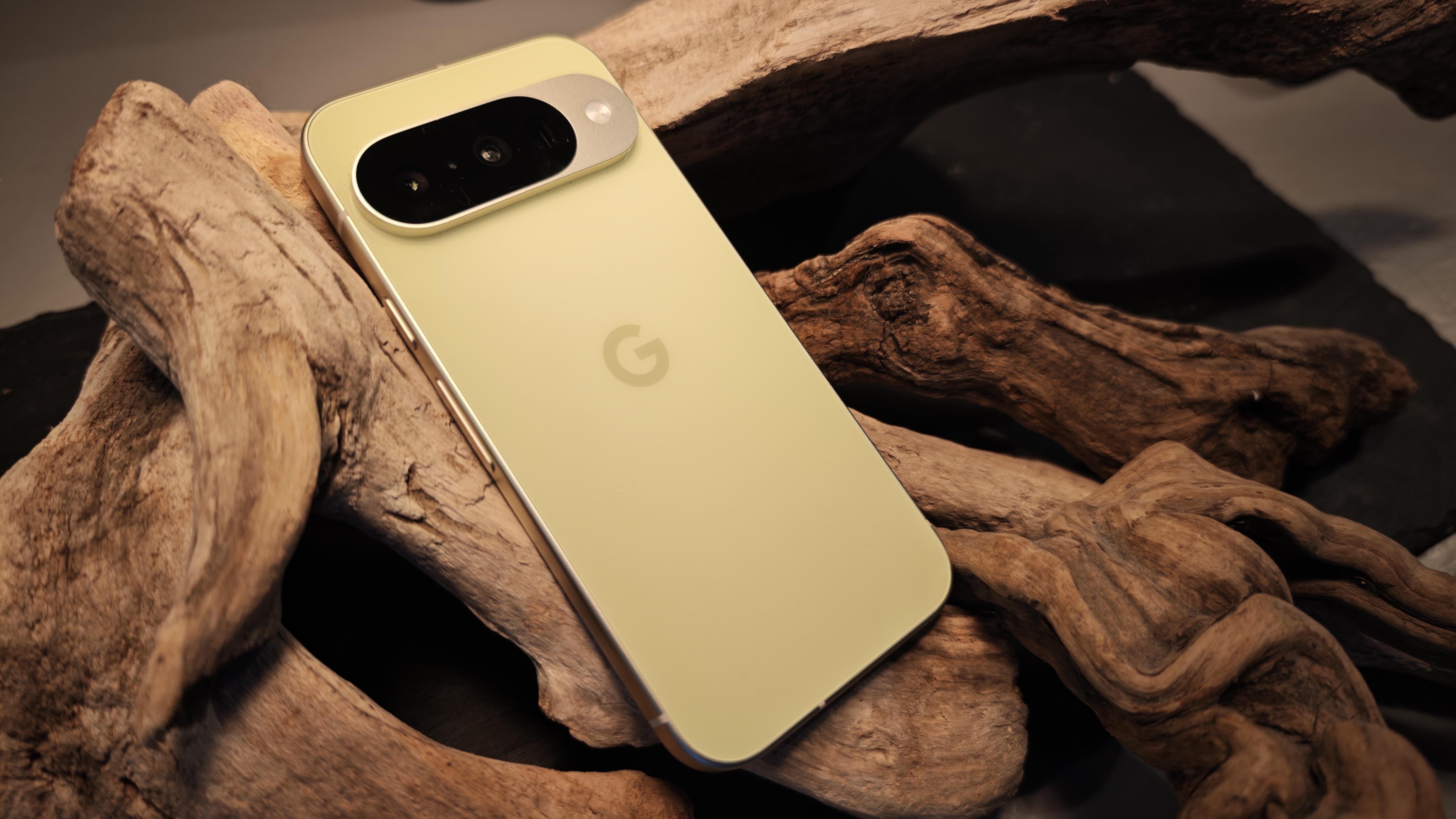
Entry-level Pixel handsets have long been a great alternative to similarly priced devices from Apple and Samsung, but the Pixel 10 feels different in that, outside of one or two areas, it doesn’t really leave you wanting for anything, and with seven years of updates promised from the time of launch, it’ll only get better as Google introduces more AI-led features.
Speaking of AI, Google is right up there with Samsung in terms of delivering AI features that actually work and don’t feel like a tacked-on gimmick. For example, Magic Cue can provide contextual assistance automatically, which makes things like sending documents to friends just that bit easier. And of course, Gemini is one of the best AI assistants around.
The big hardware addition is the inclusion of Pixelsnap magnets, which gives Google a leg-up on Samsung with the ability to interact with magnetic Qi2 charging methods, including MagSafe accessories. For things like quickly mounting your phone on a car dashboard or ensuring a secure wireless charging connection, this is a big win.
There’s also, finally, a telephoto lens on the back, giving you a trio of rear cameras as a flagship should have. Specs are a bit downgraded from the Pixel 9, but point-and-shoot results are still plenty good enough for the average user.
At this point, having 128GB storage as the starting point feels a bit shallow, particularly as the iPhone 17 now has 256GB as standard, providing more space for apps and photos/videos. Battery life could do with improving as well, but thanks to Pixelsnap, you can at least bring along a magnetic power bank for the ride and give your phone a quick top-up when needed.
Who should buy the Pixel 10?
Shoppers who want high-end features for the best price possible.
Pixel 10: Further considerations
If you download tons of apps and games, the 128GB storage can fill up quickly. Also, the 10 Pro XL is a better bet if you prefer a larger screen.
Read our full Google Pixel 10 review
4. Google Pixel 10 Pro Fold – Best Foldable
Pros
- The first IP68-rated foldable
- Bigger battery
- Brighter screens
- Pixelsnap magnets built in
- Decent performance
Cons
- Not as quick as Snapdragon-powered rivals
- Cameras could use an upgrade
- Relatively chunky
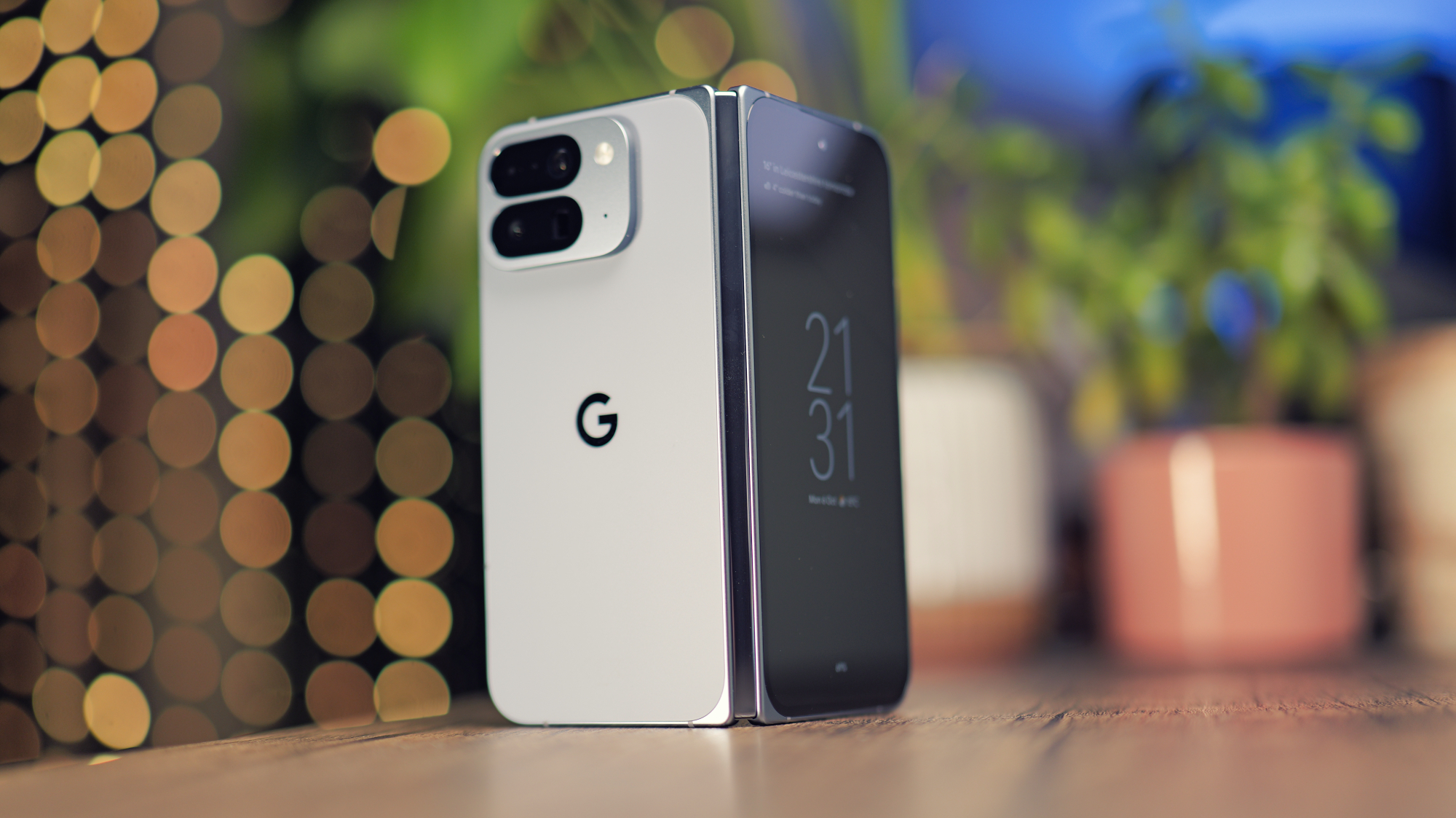
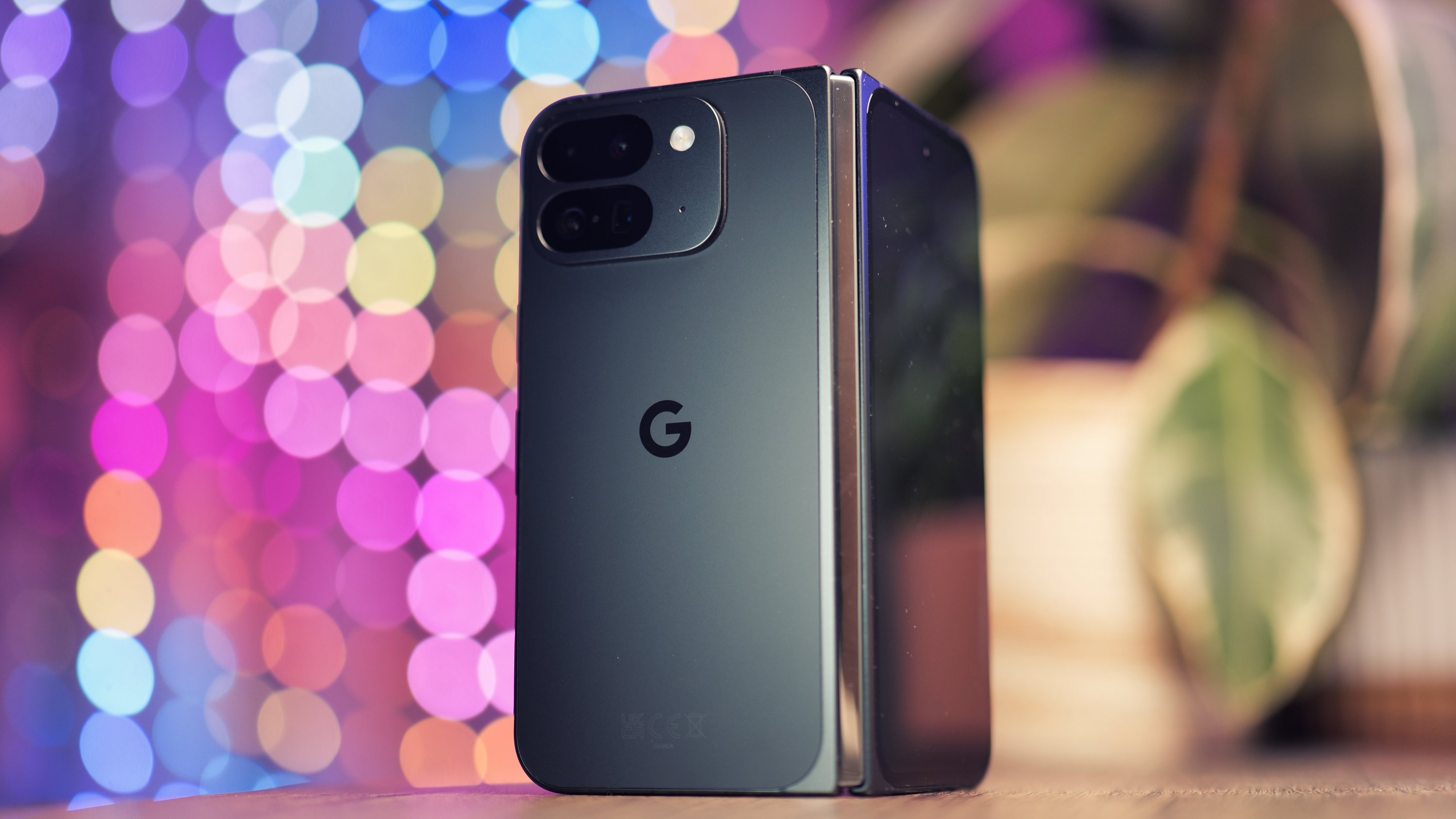
After somewhat stumbling out of the gate with its very first foldable phone, Google managed to turn things around with the excellent Pixel 9 Pro Fold. While its successor is more of a refinement than a true move into the next generation of foldable tech, like the big leap we’ve seen on the Galaxy Z Fold 7, the Pixel 10 Pro Fold is still a fantastic option to consider.
The biggest upgrade of the bunch is the move to have official IP68 dust and water resistance, which is the first time this certification has appeared on any folding phone. Given that durability is still a point of contention with foldables, having this rugged exterior does give more peace of mind that the 10 Pro Fold can be used over a long period of time.
Both the inner and outer displays are now able to reach 3000 nits of peak brightness, which just makes them easier and enjoyable to use, but the battery has been given a bump as well to accommodate this upgrade The larger 5015mAh cell easily saw us through an average day of use with a decent amount of power still left in the tank, so you won’t have to worry too much.
If the phone’s battery does end up in the red, you can now use the Pixelsnap feature to magnetically attach a wireless power bank to the phone and have it charge up without the need for any cumbersome wires. It would be great if Google could slim the chassis down in its next folding phone, but for the time being, there’s a lot to like about the Pixel 10 Pro Fold.
Who should buy the Pixel 10 Pro Fold?
Foldable fans that value durability above all, or are set on Pixel hardware.
Pixel 10 Pro Fold: Further considerations
It’s outdone by both Samsung and Honor in slenderness and performance, while non-folding Pixels are better value for money.
Read our full Google Pixel 10 Pro Fold review
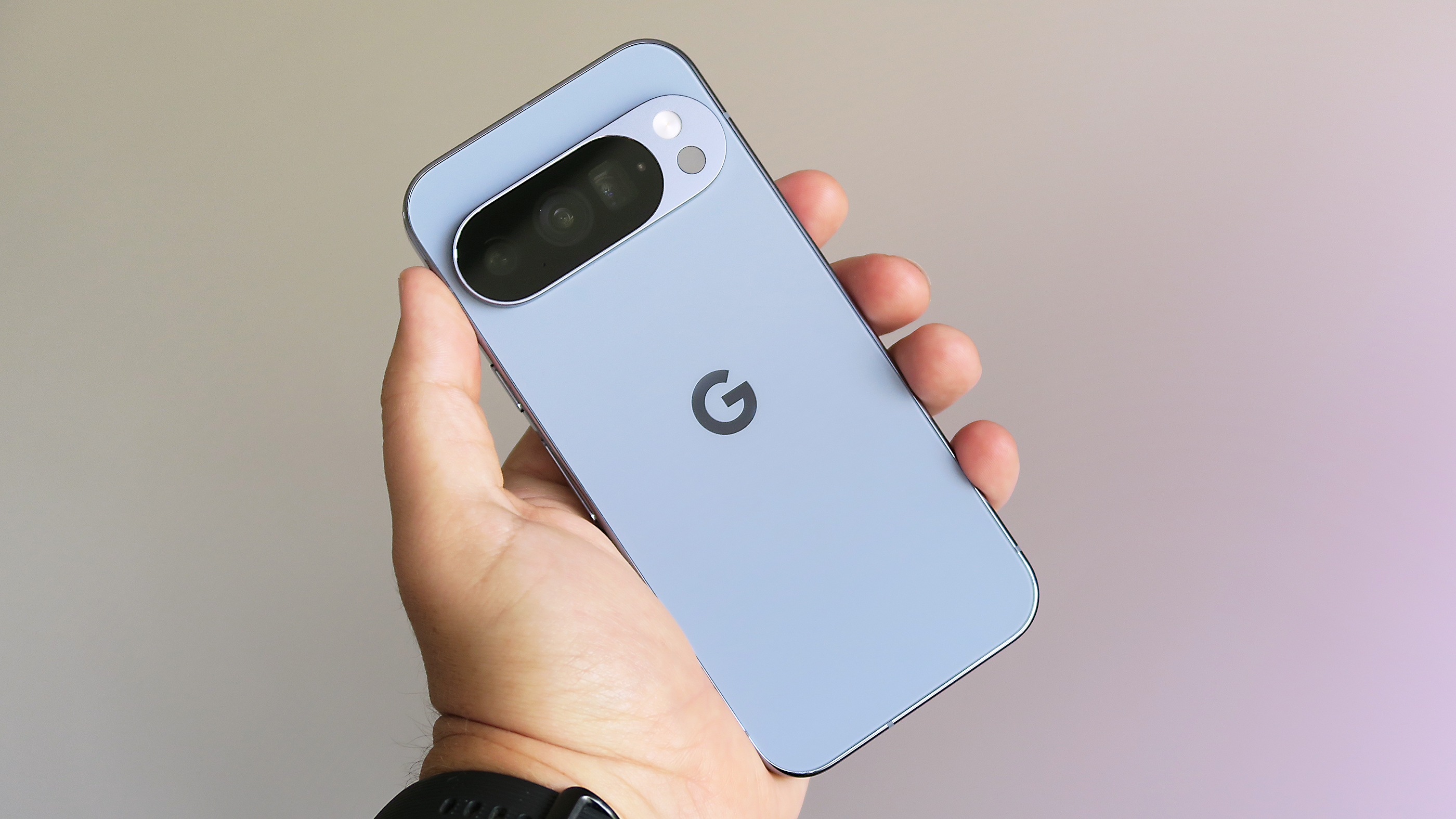
5. Google Pixel 10 Pro – Best Compact
Pros
- A rare premium, compact Android phone
- Pixelsnap opens up access to a huge accessory ecosystem
- Some of the most capable AI functionality around
- Capable, more versatile camera than ever before
Cons
- The base 128GB storage should be avoided
- Lacklustre CPU & GPU performance for a flagship
- Minor upgrade on predecessor
- Overpriced
Given just how much credence manufacturers have placed in making their phones as large as possible, it’s refreshing to have a flagship Android option that actually feels compact and is easy to use one-handed in a pinch. With a 6.3-inch display and a weight of just 207g, the Pixel 10 Pro is the perfect antidote to anyone who’s sick of carrying around a massive slab of a phone that might as well be a tablet.
Still, even though it is a smaller device by modern standards, the Pixel 10 Pro is no slouch where it counts. Even against tough competition from the likes of Xiaomi and Samsung, the 10 Pro boasts some of the best cameras around, largely down to Google’s next-level computational processing. If you’re the type of person who struggles to take a good picture, then Google’s software can do plenty of the heavy lifting for you. It’s the same for editing with trusted features like Best Take and Magic Eraser.
Just like with most companies nowadays, Google has gone all in on beefing up the 10 Pro with AI, but unlike the competition, Google is arguably leading the charge here. Google Gemini responses are super fast here, and machine learning allows the phone to intelligently offer up actions depending on what you’re looking at onscreen. You can now even converse with Gemini in the photo editing suite and simply ask for the changes that you want to see.
Given that the phone isn’t exactly budget-friendly at £999/$999, we’re surprised to see that Google has retained the base 128GB model as opposed to doing away with it and having 256GB of storage as the starting point (just as it’s done with the Pixel 10 Pro XL). For that reason, we’d argue opting for more storage to get the most out of this phone, but it’s still a great experience overall if you don’t.
Who should buy the Pixel 10 Pro?
Fans of compact phones who still want a premium experience.
Pixel 10 Pro: Further considerations
Similarly priced phones like the Samsung Galaxy S25+ offer more storage for less, while the regular Pixel 10 is cheaper and has a lot in common.
Read our full Google Pixel 10 Pro review
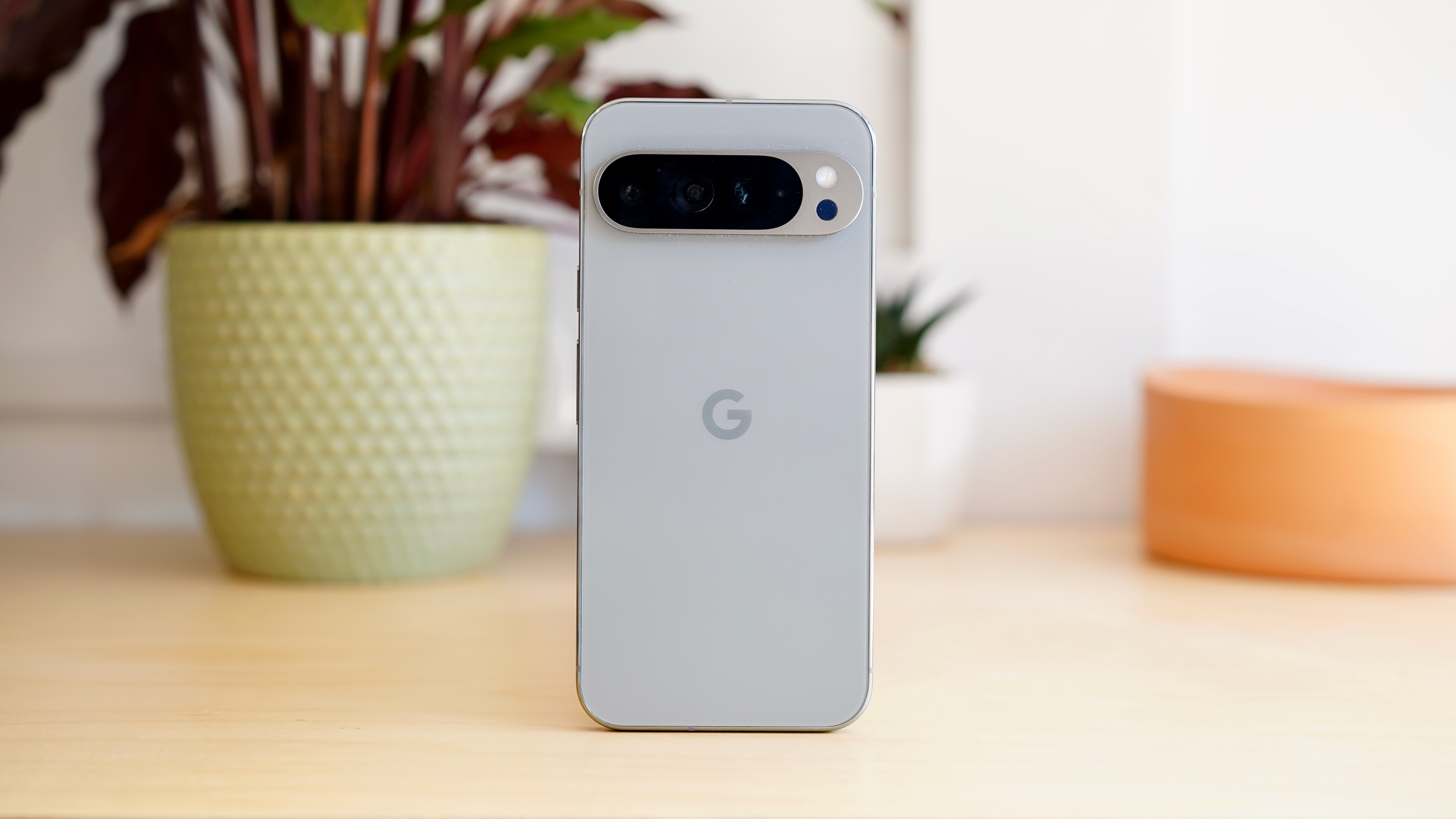
6. Google Pixel 9 Pro XL – Best Previous-Gen
Pros
- Excellent camera system
- Gorgeous display
- Updates until 2031
- Strong battery life
Cons
- Big and heavy
- 37W charging requires Pixel Stand
- Expensive

The 9 Pro XL is the best Pixel phone from the 2024 lineup, and it remains an excellent choice in 2026.
It excels in some of the most important areas for a smartphone, including top-tier cameras (all four of them), a stunning 6.8-inch display and impressive battery life. Google’s slick software experience is backed up by its full suite of AI features and five more years of updates.
However, it’s not right for everyone. The 9 Pro XL is a big, bulky phone, while the charging speed improvements are offset by the need to buy a dedicated accessory.
Who should buy the Google Pixel 9 Pro XL?
Anyone who wants a top-class Pixel phone experience without the price tag to match.
Google Pixel 9 Pro XL: Further considerations
Look elsewhere if you want a compact design or the latest hardware.
Read our full Google Pixel 9 Pro XL review
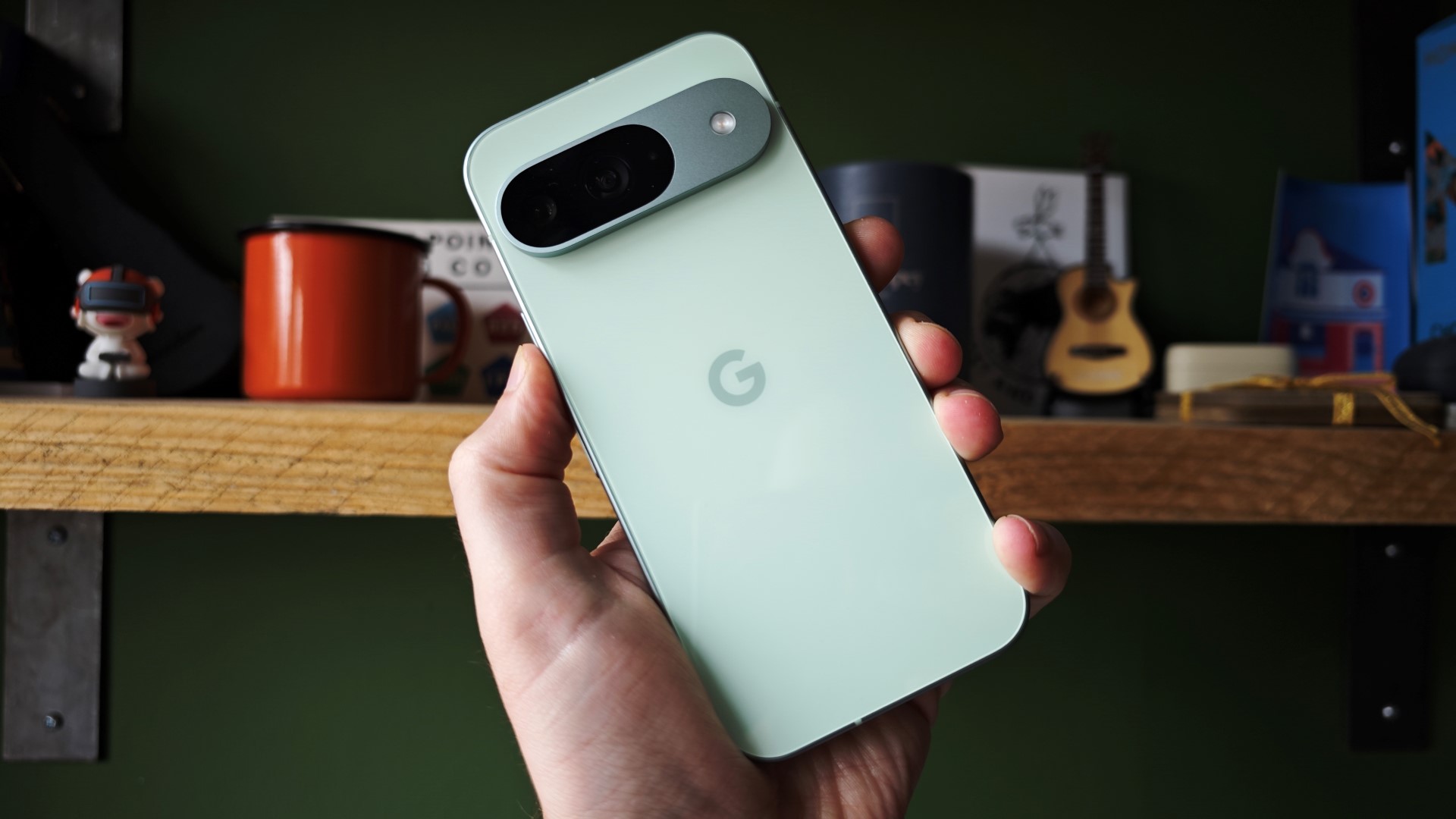
7. Google Pixel 9 – Best Value Previous-Gen
Pros
- Compact, premium design
- Excellent screen
- Strong cameras
- Updates until 2031
Cons
- No telephoto camera
- Average battery life
- Slow charging
The regular Pixel 9 was the cheapest route into Google’s flagship phone range in 2024, and it’s even more affordable now.
Essentially, it’s a more affordable version of the Pixel 9 Pro that offers slightly less RAM and an inferior 10.5Mp selfie camera. It means you still get the compact yet premium design, excellent 6.3-inch display and solid Tensor G4 performance.
Like all the Pixel 9 phones, software is a key strength, and it’ll be supported until 2031 via regular updates.
Just like the 9 Pro, it’s held back slightly by the underwhelming battery life and slow 27W charging. But the extra compromise is the lack of a telephoto lens, which is the main reason for upgrading.
Who should buy the Google Pixel 9?
Anyone who wants a compact Pixel flagship at a fraction of its original price.
Google Pixel 9: Further considerations
Look elsewhere if you want a telephoto lens, a bigger display or top-tier battery life.
Read our full Google Pixel 9 review
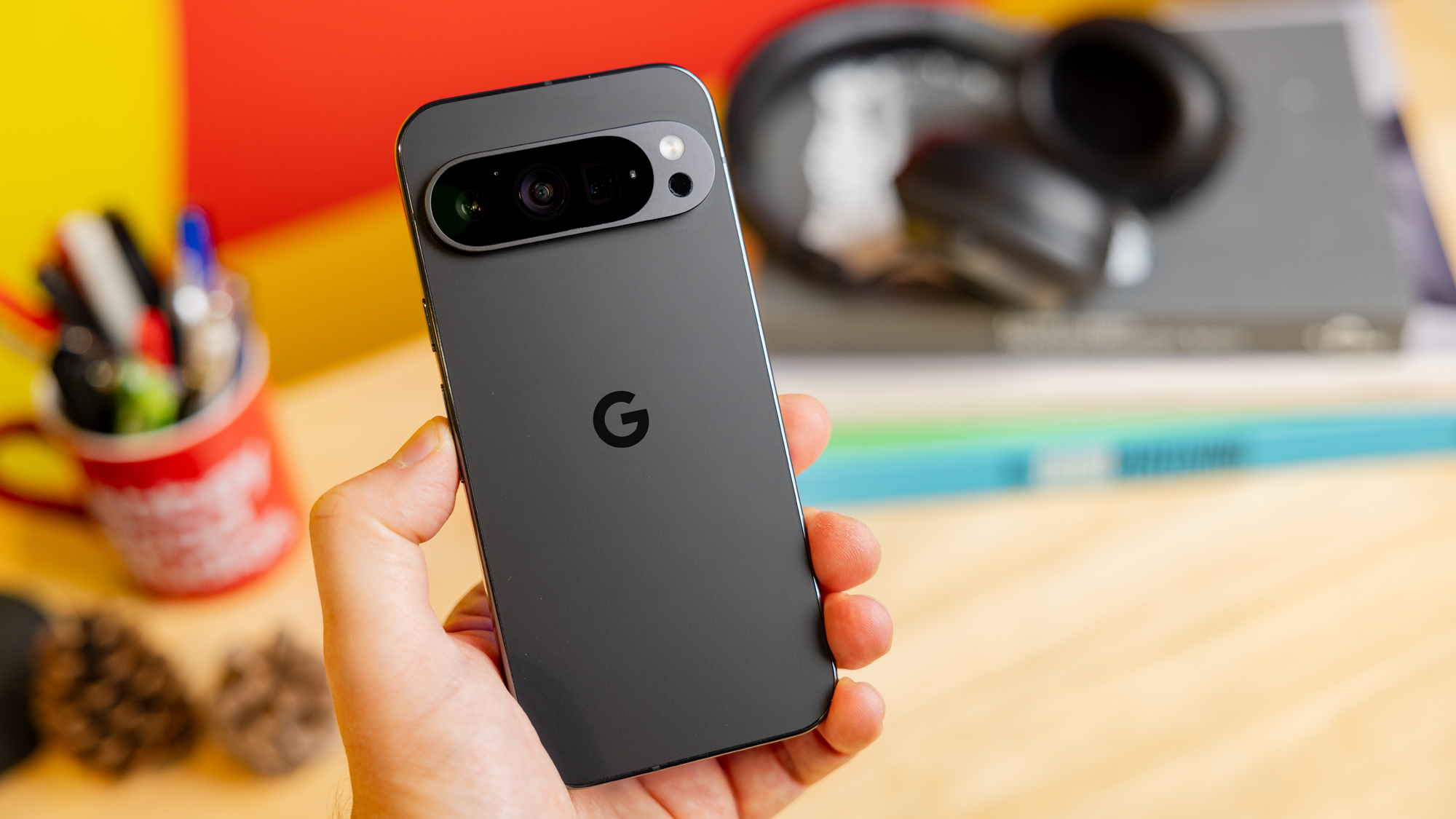
8. Google Pixel 9 Pro – Affordable Previous-Gen Pro
Pros
- Compact, premium design
- Gorgeous display
- Strong cameras
- Updates until 2031
Cons
- Mediocre battery life
- Frustratingly slow charging
The Pixel 9 Pro is very nearly a brilliant phone, and it’s still a fine choice in 2026.
It distils so much of what the Pixel 9 Pro XL offers into a more compact and affordable package, making it very appealing.
The smaller 6.3-inch display is just as impressive here, while the reduced weight and rounded corners make it comfortable to hold. You also still get those superb four camera lenses, all of which have a lot to offer.
Unfortunately, there’s one big compromise here – battery life. On those heavy usage days, it can be a struggle to make it to bedtime, and the underwhelming 27W wired charging doesn’t help.
But with the same excellent software, generous commitment to updates and solid performance, the Pixel 9 Pro is still a great buy, provided you’re not a heavy user.
Who should buy the Google Pixel 9 Pro?
Anyone who wants a compact, great camera phone for less.
Google Pixel 9 Pro: Further considerations
Look elsewhere if you want a bigger display or guaranteed all-day battery life.
Read our full Google Pixel 9 Pro review
9. Google Pixel 9 Pro Fold – Best Value Foldable
Pros
- Two excellent displays
- Durable, flexible design
- Excellent cameras
- Updates until 2031
Cons
- Not great for gaming
- Slow charging
- Very expensive
Google’s second attempt at a book-style foldable was a big step forward. And with minor updates on the 10 Pro Fold, it might be worth saving your money.
Essentially, you’ve got two devices in one here: a 6.3-inch phone that opens to reveal an 8-inch tablet. The quality of both screens is excellent, though the crease across the internal panel is very noticeable.
Google has done a pretty good job of adapting its excellent phone software for the bigger display, with some useful app design changes and multitasking features. Performance from the Tensor G4 chipset is plenty good enough for most people, though it’s not ideal for gaming.
Despite some small camera downgrades compared to the Pixel 9 Pro XL, you can still expect strong performance across all four of the main lenses, including selfie cameras at the top of both displays.
Battery life is solid, while 21W charging is slower than any of the other Pixel phones. But ultimately, it’s the high price tag that’s its biggest downside.
It’s the best example of a book-style folding phone right now, but most people will be better off with something else.
Who should buy the Google Pixel 9 Pro Fold?
Anyone who wants an accomplished book-style foldable device, but doesn’t want to pay the sky-high price tags.
Google Pixel 9 Pro Fold: Further considerations
Look elsewhere if you don’t want a 2-in-1 device or prefer the latest hardware.
Read our full Google Pixel 9 Pro Fold review
10. Google Pixel 8a – Best Value
Pros
- Strong cameras
- Attractive design
- Solid performance
- Updates until 2031
Cons
- Cons
- Underwhelming battery life
- Slow charging
- Slightly dated design
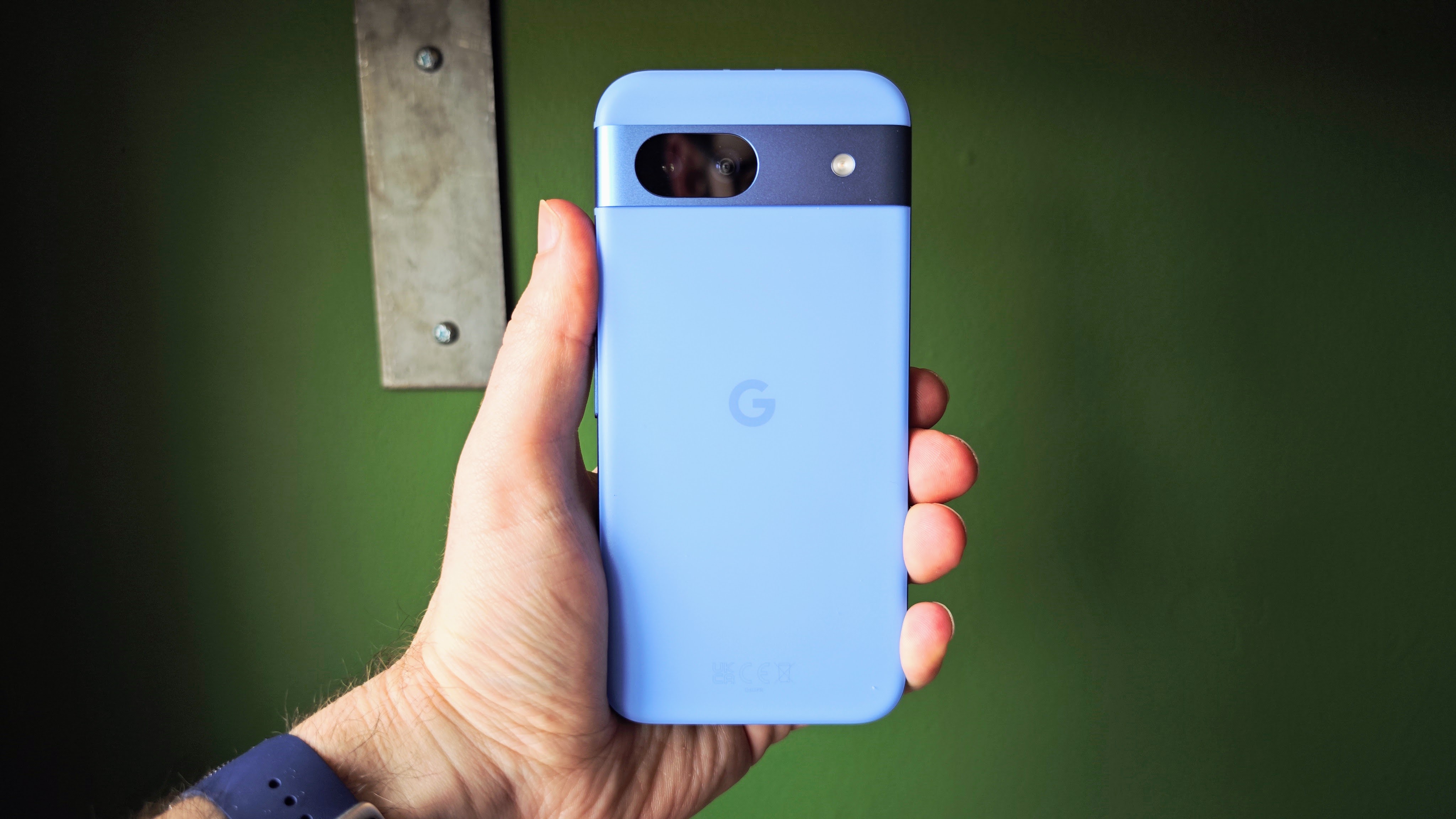
The Pixel 9a is our top mid-range phone recommendation. However, if you can find the older Pixel 8a with a big discount, it could be even better value.
Despite some differences, this older model still has plenty to offer. Performance from the Tensor G3 is nearly as good as the G4, while the 64Mp main camera offers comparable (and very impressive) image quality.
Some people may also prefer the smaller 6.1-inch display, though that is offset by a fairly chunky bezel around it. You’ll also have to put up with disappointing charging speeds and mediocre battery life.
Ultimately, despite being released in mid-2024, the 8a will still get OS and security updates for five more years. Alongside good availability and the high chance of a discount, the Pixel 8a is our top pick from the previous generation of Pixels.
Who should buy the Google Pixel 8a?
Anyone who’s on a budget but wants a great Pixel phone.
Google Pixel 8a: Further considerations
Look elsewhere if you want the latest specs or high-quality zoom photography.
Read our full Google Pixel 8a review
Other Google Pixel phones tested
The main reason you’ll only find nine devices in this round-up is that they’re the only Pixel phones that are still widely available.
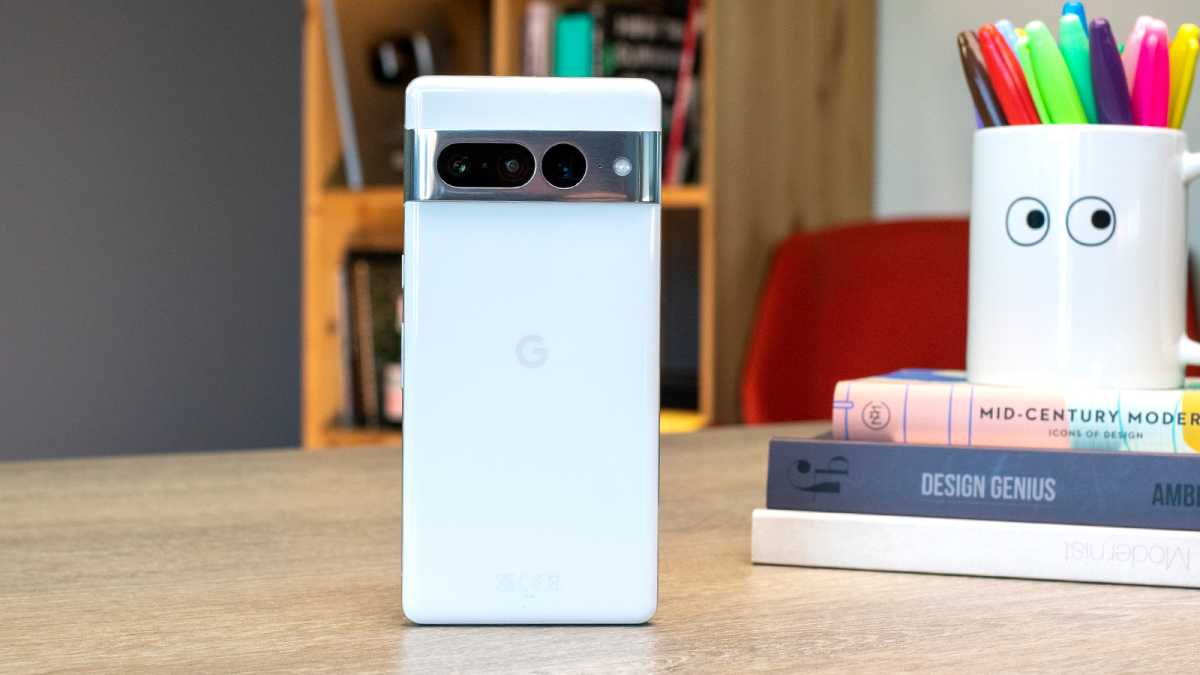
If we were to complete the top 10, it’d be with the original Pixel Fold, while the slightly older Pixel 7, Pixel 7 Pro and Pixel 7a are still worth considering. All three will be receiving software updates from Google for a few more years.
However, none are available new from Google or any of the main third-party retailers, so you’ll have to rely on a reseller or get a refurbished model. Provided you buy from a reputable seller, the latter is a great way to get a great refurbished phone deal, but the price and condition will vary significantly.
Henry Burrell / Foundry
Google Pixel news that could affect your buying decision
2026 looks set to be another big year for Pixel phones.
First up, we’re expecting the mid-range Pixel 10a soon. The 9a launched in March 2025, but there are rumours its successor could be even earlier – perhaps in February.
Then, later in the year, look out for the flagships. Unless we hear otherwise, the Pixel 11, 11 Pro, 11 Pro XL and 11 Pro Fold are all expected in August.
Until then, you have a solid choice across the last two generations of Pixel phones, depending on your needs and budget. Google’s long software support means older phones are still perfectly good purchases.
Dominik Tomaszewski / Foundry
Can I get a better Google Pixel phone deal?
Prices on Google Pixel phones fluctuate regularly, especially on older models. But the prices in our Best Picks (including this one) are updated daily, so they should be accurate when you land on the page.
However, while value for money is an important consideration in our product recommendations, we cannot account for any time-limited deals that may expire soon after they go live.
In terms of sales events, the next Amazon deal days event is likely to take place in March, before two possible Amazon Prime Day events: one in the summer and another around October.
Then, of course, there’s Black Friday, but that isn’t until 27 November this year.
How we test Google Pixel phones
We review Google Pixel phones in the same way as we do all smartphones – we put our SIM card into it and use it as our main phone for at least a week. In many cases, much longer.
This is the only proper way to test phones to see how the likes of the performance, display, cameras and battery life perform in real-world usage. It also gives us the chance to get to grips with all the available features, including new AI.
On top of that, we run the same set of performance, battery and charging tests across all Android phones (and iPhones where possible), enabling direct comparisons between them. In all our phone reviews, you’ll also find lots of camera samples that we’ve taken using the phone and not edited.
Of course, modern smartphones include a ton of different features, so there may be things we can’t fully test. But we aim to get as wide-ranging an experience as possible.
Why you should trust Tech Advisor for Google Pixel phone reviews and buying advice
We’ve been testing technology for almost 30 years at Tech Advisor, and we are experts at providing buying advice. We’ve tested hundreds of smartphones over the years, including every single Pixel phone that Google has ever launched. All our in-house team and freelance contributors are highly experienced in reviewing tech products.
Who curated this article?
Anyron is Tech Advisor’s Mobile Editor and has been reviewing smartphones for six years, including several Pixel handsets. He’s tested and written about hundreds of different devices, so he knows what makes for a great phone. He’s assisted by our Reviews Editor, Chris, who has been covering smartphones for well over a decade.
How to choose the best Google Pixel phone
If you’re looking to buy a Google Pixel phone, there are some key things to look out for.
Price
The first thing to consider is how much you’re willing to spend.
Google Pixel handsets vary hugely in price, all the way up to the top-tier £2,149/$2,149 Pixel 10 Pro Fold. At the other end of the scale, Google doesn’t make a true budget phone, but older models such as the Pixel 8a have been discounted from their original £499/$499 starting price.
And there are plenty of options in between, including all of the non-folding flagship phones. For a high-end Pixel, you could easily spend in excess of £1,000/$1,000, though widespread contract availability in the UK and US can help spread the cost out over time.
Luke Baker
Design and display
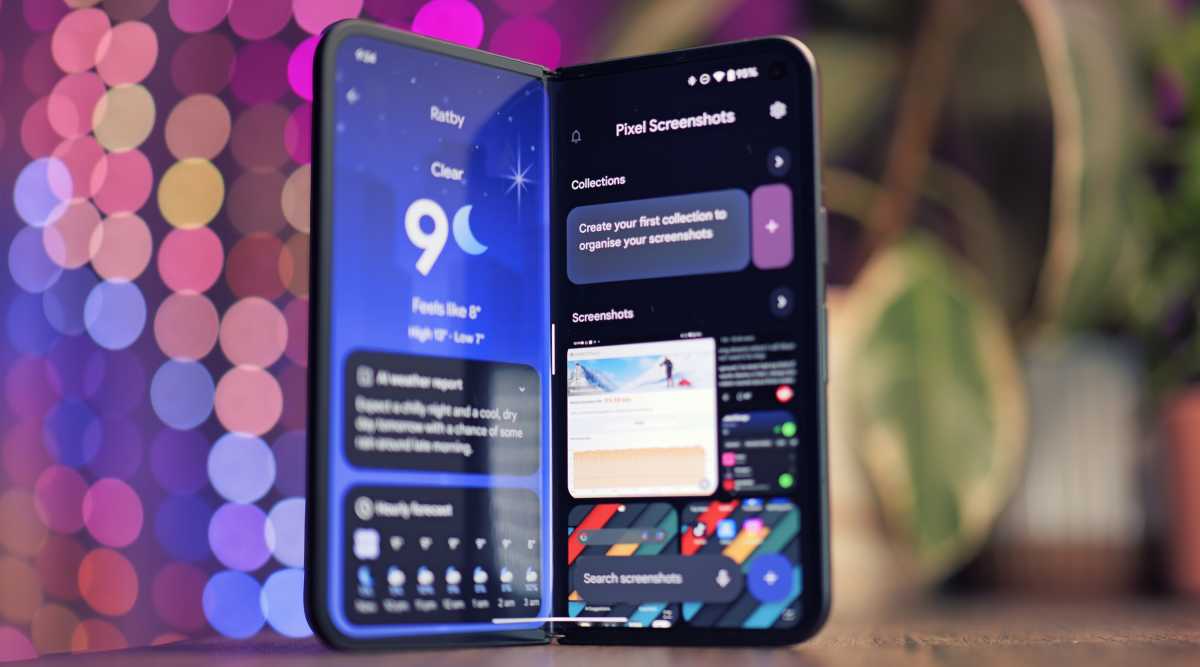
Then there’s design. Do you want a relatively compact phone, something with a bigger display or even something that folds?
Google has options for all three, with screen sizes ranging from 6.2 inches to 8 inches (for the latest flagships). On most models, you can expect at least Full HD quality, vibrant OLED screens and smooth refresh rates of 90Hz or higher, regardless of the model you choose.
Be sure to look out for brightness, which can have a big effect on visibility, especially in bright outdoor environments.
And in general, the bigger and more versatile your display/s are, the heavier the device will be.
Cameras
Aside from design, this is the biggest variation between Pixel phones. All models tend to offer a strong main rear lens and selfie camera, but what else they offer can vary significantly.
Four high-quality lenses (main, ultrawide, telephoto, selfie) are the ideal, but that usually results in a higher price tag. In general, it’s the telephoto that’s sacrificed in order to hit a more affordable price point.
It’s also important to note that a higher megapixel count doesn’t mean a better image or video. So much of the result is reliant on Google’s computational photography processing, so be sure to check our full reviews for detailed analysis and camera samples.
In the latest generation, the Pixel 10 comes with an added telephoto camera, making it more tempting.

Chris Martin / Foundry
Battery life and charging
In general, Pixel phones have relatively consistent battery capacities, but there is some variation. A battery of 5000mAh or more should ensure all-day battery life, but anything smaller than that may struggle – check out our full reviews if you have concerns.
Unfortunately, Pixel phones are known for their slow charging, though things have improved with the Pixel 10 phones, which all offer at least 30W wired charging and now come with Qi2 magnetic wireless charging like MagSafe.
This is all at least 15W, but the Pixel 10 Pro XL is the best for charging with 45W wired and Qi2.2, pushing things to 25W if you have a compatible charger like the official Pixelsnap one.
Software
The software experience on Pixel phones is one of its key strengths, with a so-called ‘stock’ Android experience that’s easy to use and full of features. However, it’s worth noting that not all of Google’s AI features are available across all models, so check to make sure if that’s important to you.
While all the phones in this article are still receiving software updates from Google, the length of this varies significantly. Recent models benefit from Google’s class-leading seven years of operating system and security updates, while for others, Android 16 will be their last major version.
We wouldn’t recommend using a Pixel phone (or any phone, for that matter) once it’s no longer supported, as it represents a big security risk. If your device gets a bug or is infected with malware, Google won’t patch it.
Google Pixel phone FAQ
What is the best Google Pixel phone?
For most people, the best Google Pixel phone is the Pixel 10 Pro XL.
It offers the most complete performance, display, camera and software experience of any Pixel phone, while still ensuring strong battery life.
What is the best cheap Google Pixel phone?
The best cheap Google Pixel phone is the Pixel 9a.
It offers all of the fundamentals of the flagship Pixel 9 series in a much more affordable device, and offers strong battery life within a compact, premium design.
Are Google Pixel phones good?
Yes. While it varies by device, Google Pixel phones are among the best on the market.
They’re known for combining premium hardware (including strong cameras, great displays and solid battery life) with intuitive software and long support.
Like all phones, they have some weaknesses, with relatively slow charging affecting all models. Read our full reviews for details of the specific strengths and weaknesses of individual devices.
Are Google Pixel phones better than Samsung?
That all depends on what you’re looking for. Google Pixel and Samsung Galaxy phones both run Android, but that’s about where the similarities end.
For many people, Pixels have the upper hand when it comes to software. Unlike One UI on Galaxy phones, it’s free from bloatware, which is especially useful if you primarily use Google apps such as Gmail, Photos, Chrome and Calendar. Samsung has its own version of these and many more, some of which can’t be removed.
Another plus for Pixel is prompt updates – provided it’s still supported, your Pixel phone will get the next major version of Android within days of it being released. By contrast, the equivalent version of One UI often takes several months to roll out fully.
But which design you prefer will come down to personal preference, and both have a similar suite of AI features, including Google Gemini integration.
However, if you’re looking for a budget phone, Samsung is your only real option. Its Galaxy A series includes some of the best cheap handsets you can buy. It’s also the only one of the two with a folding flip phone, the latest of which is the Galaxy Z Flip 7.
Flagship performance is also slightly better on Samsung phones, with the Snapdragon 8 Elite for Galaxy chipset outperforming Google’s Tensor G4 in most tests. And charging speeds are typically higher, though there often isn’t much in it.
Everything else, including cameras, displays, build quality and battery life, varies considerably between models.
What are the disadvantages of Google Pixel phones?
However, like all smartphones, Pixel devices have their weaknesses.
In general, there are two main areas where Pixel phones often fall behind the competition.
The first is charging speeds, which are well below the industry standard. The fastest in the current range, the Pixel 10 Pro XL, is limited to 45W, and even that relies on you buying an accessory that’s sold separately. Many charge significantly slower.
The other one is performance. Google’s latest Tensor G5 chipset still delivers strong performance, but it’s a step down from Qualcomm and MediaTek flagships in the Snapdragon 8 Elite Gen 5 and Dimensity 9500, respectively.
One upside is that the mid-range Pixel 9a also benefits from the performance of the Tensor G4, making it very competitive.
Of course, there are other disadvantages, but these vary between models. Check above or read our full reviews for details on specific devices.
Which Google Pixel phone is the newest?
The newest Pixel phones are in the Pixel 10 series. They launched on 20 August 2025, before being released on 28 August.
What is the Google Pixel A series?
The Pixel A series is the collective name for Google’s mid-range phones, which offer an alternative to the flagship series.
The first model was the Pixel 3a in 2019, which was significantly more affordable than the Pixel 3 that launched a few months earlier.
It continues with the Pixel 9a, a cheaper version of the regular Pixel 9. The Pixel 10a is expected in early 2026.
Author: Anyron Copeman, Mobile Editor, Tech Advisor

Anyron is Mobile Editor at Tech Advisor, where he’s been a mainstay of the editorial team since 2019. In his current role, Anyron is responsible for all smartphone, tablet and mobile network coverage on the site. A BA Journalism graduate, he has experience with a wide range of consumer tech products and services, including smartphones, tablets, foldables, wearables and more.