

In summary:
- Tech Advisor’s guide cuts through smartphone marketing hype to identify specs that actually matter for everyday users in 2026.
- Modern CPUs are powerful enough for most tasks, making battery efficiency, camera quality, and storage more important than raw processing power.
- Key recommendations include 128-256GB storage, 8GB RAM, and prioritizing practical features over flagship specifications that offer minimal real-world benefits.
Manufacturers like to adorn the long lists of features in their smartphone advertising with terms such as “Super AMOLED”, “120Hz”, “5G”, “AI camera” or “ultra-wide angle” – but often this is more marketing than real added value for normal users.
Sure, a lot of this stuff can be exciting for tech fans. But for everyday use, some of these extras are just unnecessary.
If you’re looking for a solid, reliable smartphone – especially if you’re looking for a budget or mid-range handset – don’t be blinded by PR hype. Glossy marketing sometimes drives the price up by several hundred pounds or dollars without offering any noticeable practical advantages.
In this guide, you will learn what you should really pay attention to. Which features are useful, what is important in terms of display, battery, camera or software support, and which devices offer particularly good value for money in 2026?
Storage space: This is how much you really need
Smartphones are being offered with ever-larger storage options: between 128- and 512GB is standard, with many high-end devices starting at 256GB. Variants with 1TB are still available, but such storage giants only make sense for a small target group, such as professional photographers or passionate mobile gamers.
For everyday use, this is often far too much. Nevertheless, storage requirements have increased in recent years. AI functions, high-resolution photos and 4K videos now require more space than in the past.
Here’s how to approach the most common capacities:
- 64 GB: only recommended for basic users. The system and AI functions already take up a good portion of this
- 128 GB: the new realistic entry level. Completely sufficient for chat media, lots of apps, a few games and photos
- 256 GB: ideal for most users who regularly film, download larger games or want to store photos locally for longer
- 512 GB and above: more for power users – such as those who take large video libraries with them offline or film intensively in 4K/60 fps
Cloud services such as iCloud, Google One and Microsoft OneDrive are now tightly integrated into the system and automatically active. For many, a small cloud plan is enough to outsource photos, documents or backups and free up local storage.

Chris Martin / Foundry
SD slots: Becoming rare, but still extremely helpful
While budget and rugged models often still have a Micro-SD card slot, many mid-range and high-end devices now do without it. If you want to store a lot of photos or videos locally or simply appreciate having extra storage space, it’s worth looking specifically for smartphones with an expansion slot.
A high-quality 256GB card is available for around £30/$30 and immediately solves any space problems. Popular phones which still feature a Micro-SD card slot include the Samsung Galaxy A17 5G, CMF Phone 2 Pro and Sony Xperia 1 VII.
Battery: Capacity is important, but it’s not everything
Large battery numbers are impressive, but today they say even less about actual runtime than they used to. Most current smartphones have between 4,500 and 5,500 mAh, but how long a device really lasts depends primarily on efficiency: the display, the chipset and, increasingly, the software.
In other words, even though some Android models now offer 5,500 mAh or more, they don’t automatically run longer than an iPhone with a significantly smaller battery. The reason for this is the combination of efficient chip technology, intelligent energy management and well-coordinated software. It’s like a car: range is determined not only by the fuel tank, but also by fuel consumption.
The rise of silicon-carbon (Si-C) batteries also enables much larger capacities than we’ve seen previously. A higher energy density means you can fit a larger capacity within the same total footprint, which theoretically significantly boosts battery life.
Luke Baker
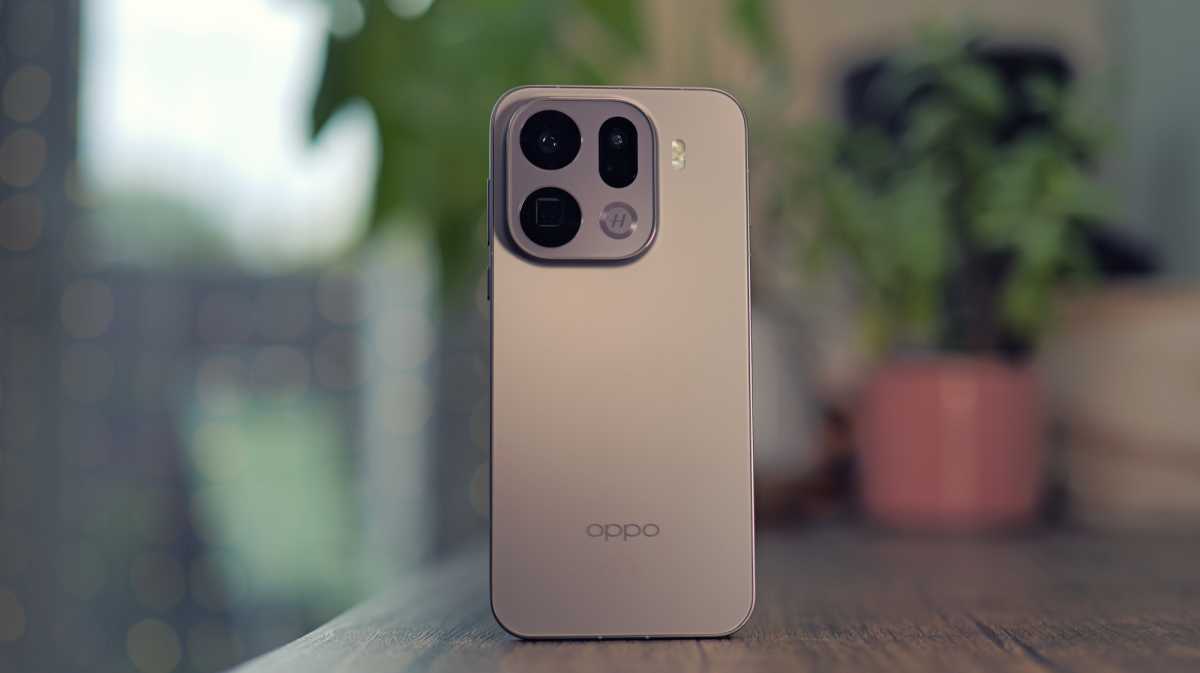
Many of the best battery life phones in 2026 are likely to use Si-C batteries.
Cheaper phones often have better battery life
With equal capacities, mid-range and budget smartphones can last longer for the following reasons:
- less power-hungry processors
- displays with lower brightness or frame rates
- fewer background processes
- fewer continuous AI functions
Compare that to flagship models, which constantly drain the battery with their bright 120Hz displays, high-performance chips and demanding AI features.
What to look for if you want great battery life
As you can see, the actual battery capacity is only one part of great battery life. Here’s what else you should look out for:
- The display is crucial: brightness, panel type (AMOLED) and variable refresh rate sometimes have a greater impact on battery life than battery size
- Chip generation: 3-nanometre processors (e.g. Qualcomm 8 Elite Gen 5, Apple A19 Pro) are significantly more efficient
- Software maintenance: Devices with the latest Android/iOS version and good energy management run noticeably longer
- Test reports instead of numbers: Manufacturer specifications are often not comparable. Real and independent runtime tests are therefore more important than ever today
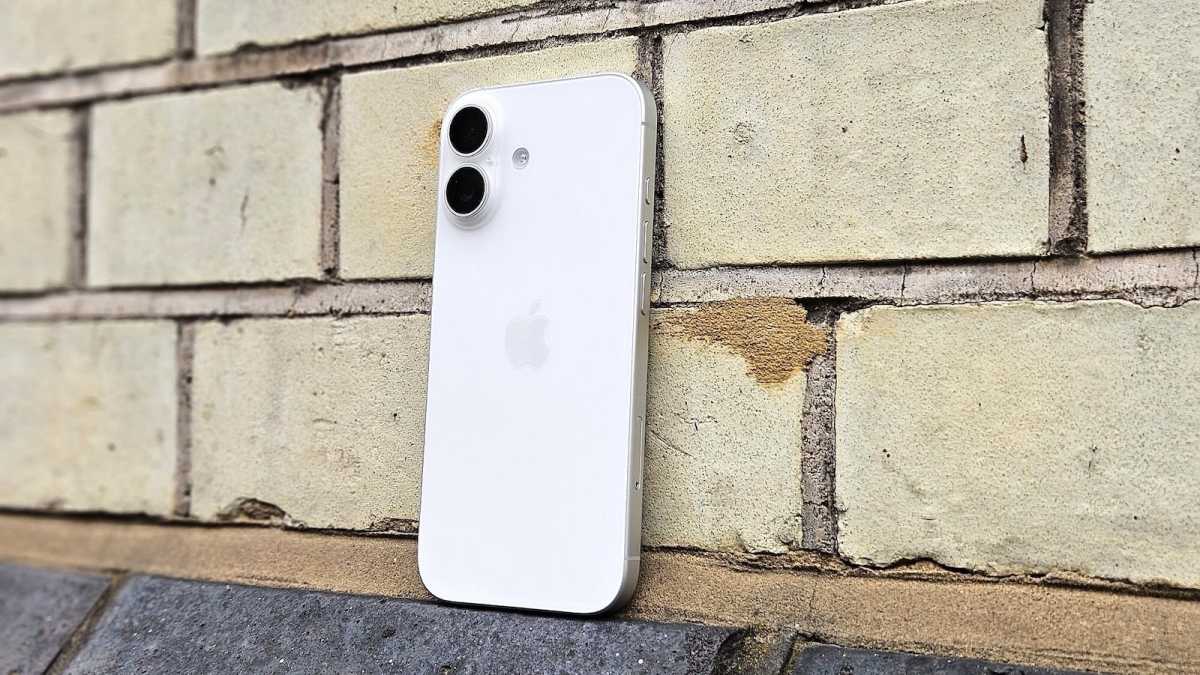
In short, a large battery is nice, but a well-optimised system lasts longer than a poorly tuned battery powerhouse.
Emma Rowley / Foundry
5G connectivity: Do I really need it?
5G connectivity has been around for a while now. Here are some reasons why you might want it:
- Faster surfing, downloads and streaming: In urban areas with good 5G coverage, 5G now regularly delivers download speeds of several hundred Mbit/s, which is significantly faster than LTE/4G in some cases
- Future-proof: Mobile network operators are increasingly relying on 5G standalone networks (5G SA), which run independently and no longer depend on 4G infrastructure
- Congested networks / many users at the same time: In densely populated or heavily frequented areas, 5G can provide a more stable and faster connection, especially when many users are surfing, streaming or downloading videos at the same time
- Future technologies: Applications such as cloud gaming, AR/VR, streaming in 4K/8K, video conferencing or smart home/IoT setups benefit more from the higher bandwidth and lower latency of 5G
But 4G is still all that most people really need:
- 4G/LTE is usually sufficient for everyday use and streaming: LTE remains fast enough and reliable for classic uses such as messaging, social media, YouTube/video streaming or web surfing
- Neither network coverage nor speed is guaranteed: Even today, there are still dead spots or only moderate 5G coverage (depending on the region), especially outside of large cities
- Contracts and tariffs: Some 5G tariffs only offer throttled speeds, or the provider restricts 5G bandwidth for cheaper packages
- Marginal advantage in everyday life: For many users, the practical difference between 4G and 5G remains small in everyday life. This is especially true if you mainly use Wi-Fi or only occasionally surf on the go
Lloyd Coombes / Foundry
Who actually needs 5G?
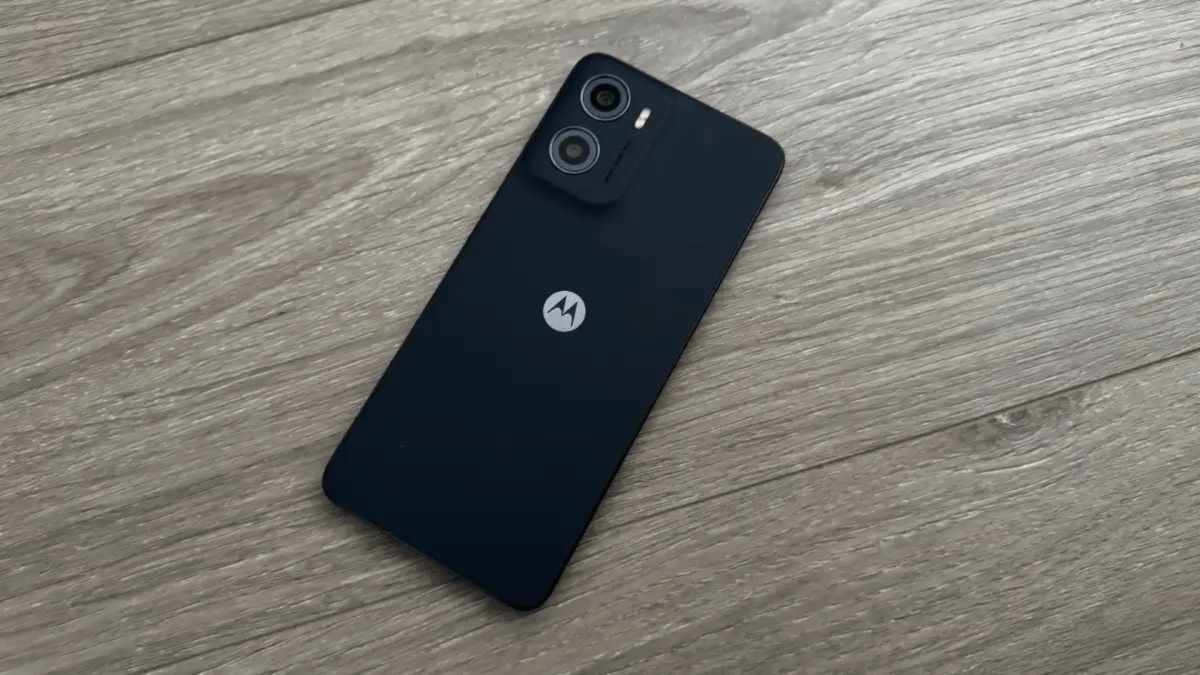
So is 5G a must-have? Not necessarily. If you live in a city or densely populated region, frequently stream on the go, download large files or aspire to a future with cloud gaming, AR/VR or smart home connectivity, then you can benefit noticeably from 5G. However, if you live in a rural area, primarily surf via Wi-Fi, or only use your smartphone for everyday tasks such as news and social media, then you won’t miss anything with 4G.
For normal everyday use, 5G is not a must-have, but it is definitely a nice extra – if the reception is good and your tariff allows it. Often, the upgrade is nice to have, but not an absolute necessity.
However, if you want to use your mobile phone for more than three years or value a good resale value, you should still opt for 5G because it is the future standard.
Performance: Most phones are fast these days
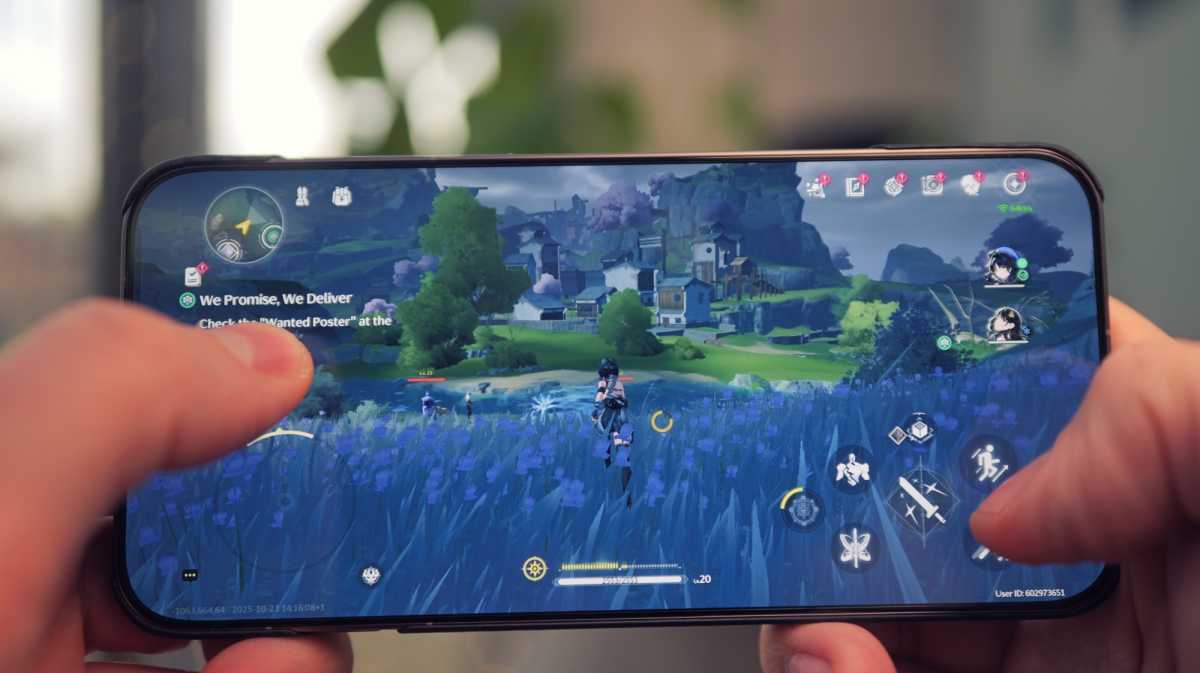
The CPU (central processing unit) is the computing heart of every smartphone. And although manufacturers announce new records every year (faster cores, more power, smaller manufacturing processes, etc.), this is becoming less and less important for most users.
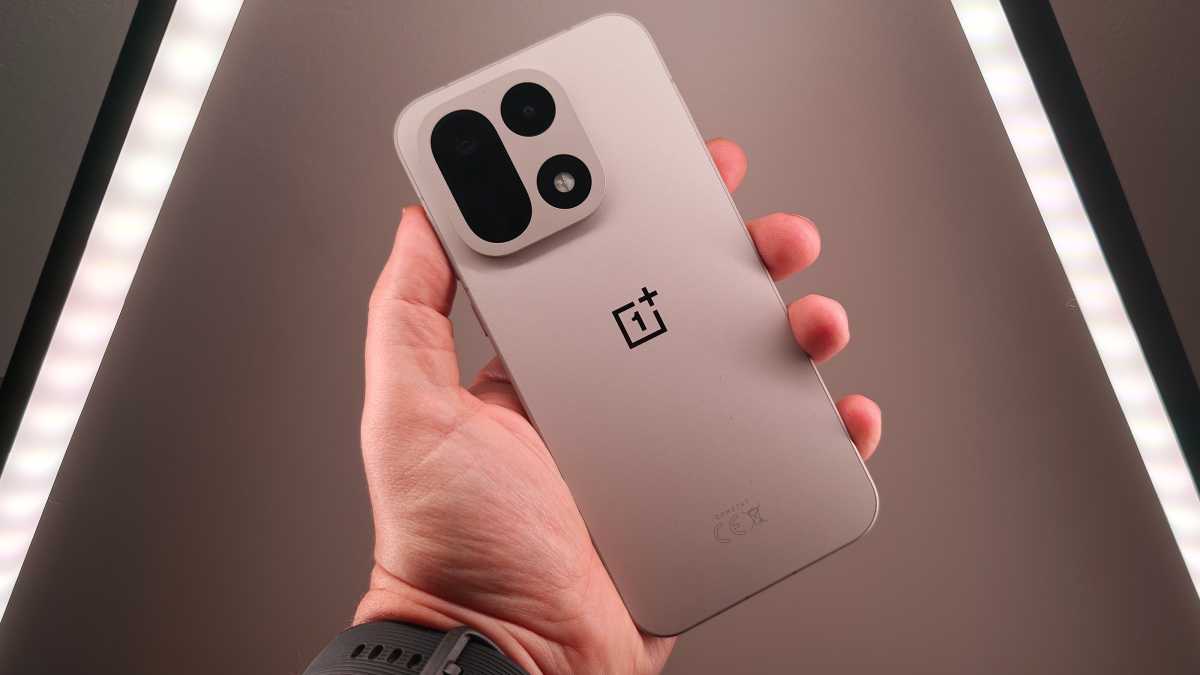
Modern smartphone processors are now manufactured using a 3nm process (and in some cases even less). This makes them not only extremely fast but also very energy-efficient, which is much more important for battery life than raw power. Even mid-range chips now offer more than enough performance for everything that matters in everyday life.
Foundry | Alex Walker-Todd
What do you need all that power for, anyway?
For typical applications such as phone calls, web surfing, messaging, social media, photos or video calls, even a two or three-year-old chip is easily sufficient. Many mid-range processors from a few years ago are still perfectly suitable for everyday use today.
This is also because modern systems no longer rely solely on pure CPU power. Today, the demands placed on the computing core depend on the intended use:
- Multi-core CPUs (usually 6 to 8 cores) should always be used
- Efficiency is required for power-saving background tasks and long runtimes
- Performance reserves are needed primarily for games and particularly demanding apps
- NPU / AI engines are used for tasks such as image optimisation or speech processing
- GPU unit for high-quality games and rendering
What to know about performance
Quite simply, you don’t need to worry so much about the chipset in your phone these days.
Almost every decent smartphone (even most budget phones) is fast enough for almost all everyday challenges. Today, bottlenecks are more likely to be found in memory, software updates, battery life or camera quality, not necessarily in computing power – at least for classic applications.
Only those who play a lot of games, edit demanding videos or make intensive use of AI features will benefit from the top processors in the premium class.
Luke Baker
Display, RAM and cameras: The specs most people can compromise on
When buying a smartphone, don’t be blinded by impressive numbers on the packaging. Many specifications sound high-tech, but offer little benefit in everyday use.
Display: More than Full HD is rarely worthwhile
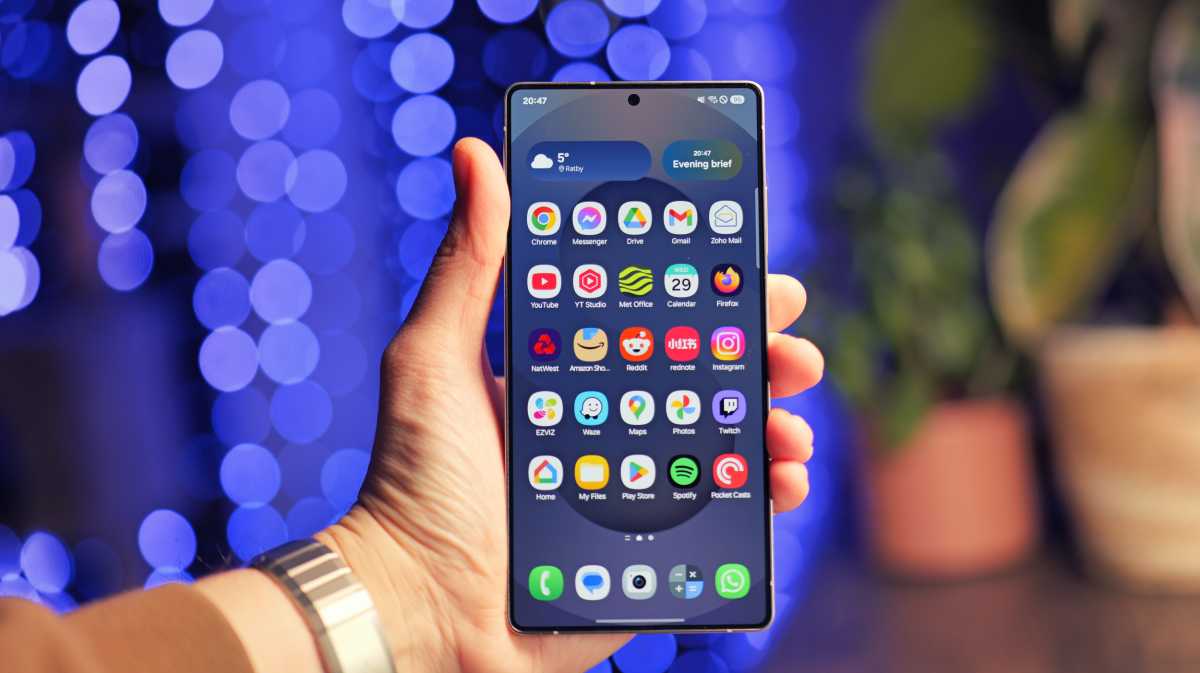
Even if manufacturers advertise with “UHD”, “2K”, “Quad HD” or absurd pixel counts, Full HD (approximately 2400 × 1080 pixels) is completely sufficient for displays between 6 and 7 inches. Higher resolutions consume more energy without delivering a visibly sharper image.
Brightness, colour fidelity and a good OLED panel are much more important today.
Luke Baker
RAM: 8 GB is sufficient for most users
While some premium smartphones now come with 12 or even 16 GB of RAM, you hardly notice the difference in everyday use. For surfing, social media, chats, photos, streaming and normal apps, 8 GB of RAM is perfectly adequate. Even many mid-range devices run smoothly with this amount.
Camera: Megapixels aren’t everything
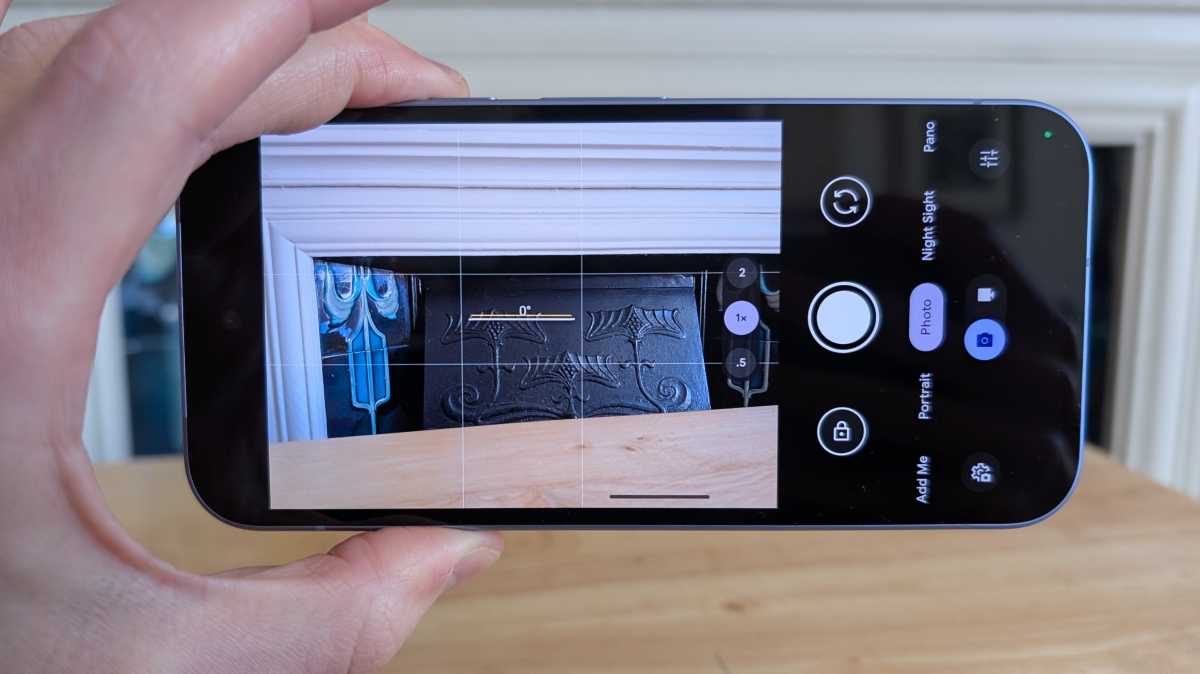
Marketing departments love big numbers like 108, 200 or 256 megapixels. However, these values are hardly decisive for good photos. More important today are:
- the sensor size (larger = better light performance)
- the quality of the optics
- software optimisation (stabilisation, HDR, post-processing)
- low-light performance
In summary, this means that it is best to look at real sample images before you buy. For example, test photos from our reviews or user photos on the internet. However, remember that social media platforms compress images by default, so the quality is unlikely to be representative.
Anyron Copeman / Foundry
Conclusion: Look beyond the marketing to find a great phone
The most heavily marketed smartphones aren’t always the best models for you. Even if they have the most impressive specs, there’s no need to pay flagship prices for a great phone in 2026.
Focus on what’s most important to you, and don’t worry about giving up the extra bells and whistles of a more premium handset.
So, you’ve got the buying advice, but which phone should you buy? Our guides to the best budget phones, best mid-range phones and best phones overall are a great place to start.
However, our full range of smartphone best picks caters to a variety of different priorities, including specific features or manufacturers.
This article originally appeared on our sister publication PC-WELT and was translated and adapted from German.
Author: Steffen Zellfelder, Contributor, Tech Advisor

Steffen Zellfelder is a freelance graduate journalist from Bonn. As an experienced software expert, he is particularly enthusiastic about apps, tools and future trends.