
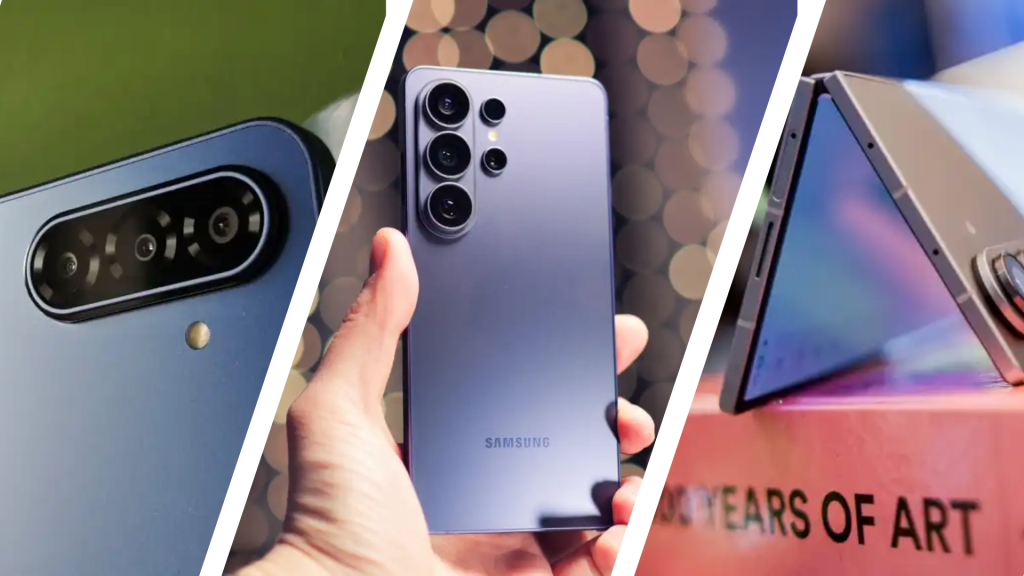

Samsung makes some of the most popular smartphones on the market, and it’s easy to see why. The best Galaxy phones combine premium hardware with slick software and distinctive design.
The long-standing battle with Apple iPhones, and more recently the likes of Google Pixel, Oppo and others, has helped Samsung keep innovating and it offers myriad phone models for all budgets, needs and tastes – from budget Galaxy A to folding Galaxy Z.
Not everyone is a winner, though, and that’s why we rigorously test and review almost every Galaxy phone to let you know which ones to buy or avoid. As much as Samsung hits it out the park, there are also some stinkers.
As we head through 2026, there are plenty of new Samsung phones in the pipeline. We’ve already had the S26 range hit the scene, but Samsung’s mid-range A57 and A37 phones are set to appear any day now. There’s a bit of a longer wait in store for the Galaxy Z Fold 8 and the Z Flip 8, but ongoing rumours point towards a very interesting change for those phones on the design front.
For now, these are the top Samsung Galaxy phones we recommend for different needs and prices.
Best Samsung phone reviews
1. Samsung Galaxy S26 Ultra – Best Overall
Pros
- Slick software
- Still the best AI tools
- Exclusive Privacy Display
- APV codec and Horizontal Lock video
- Faster charging
Cons
- Barely any hardware upgrades
- S-Pen positioning is irksome
- No Qi2 magnets
- Expensive

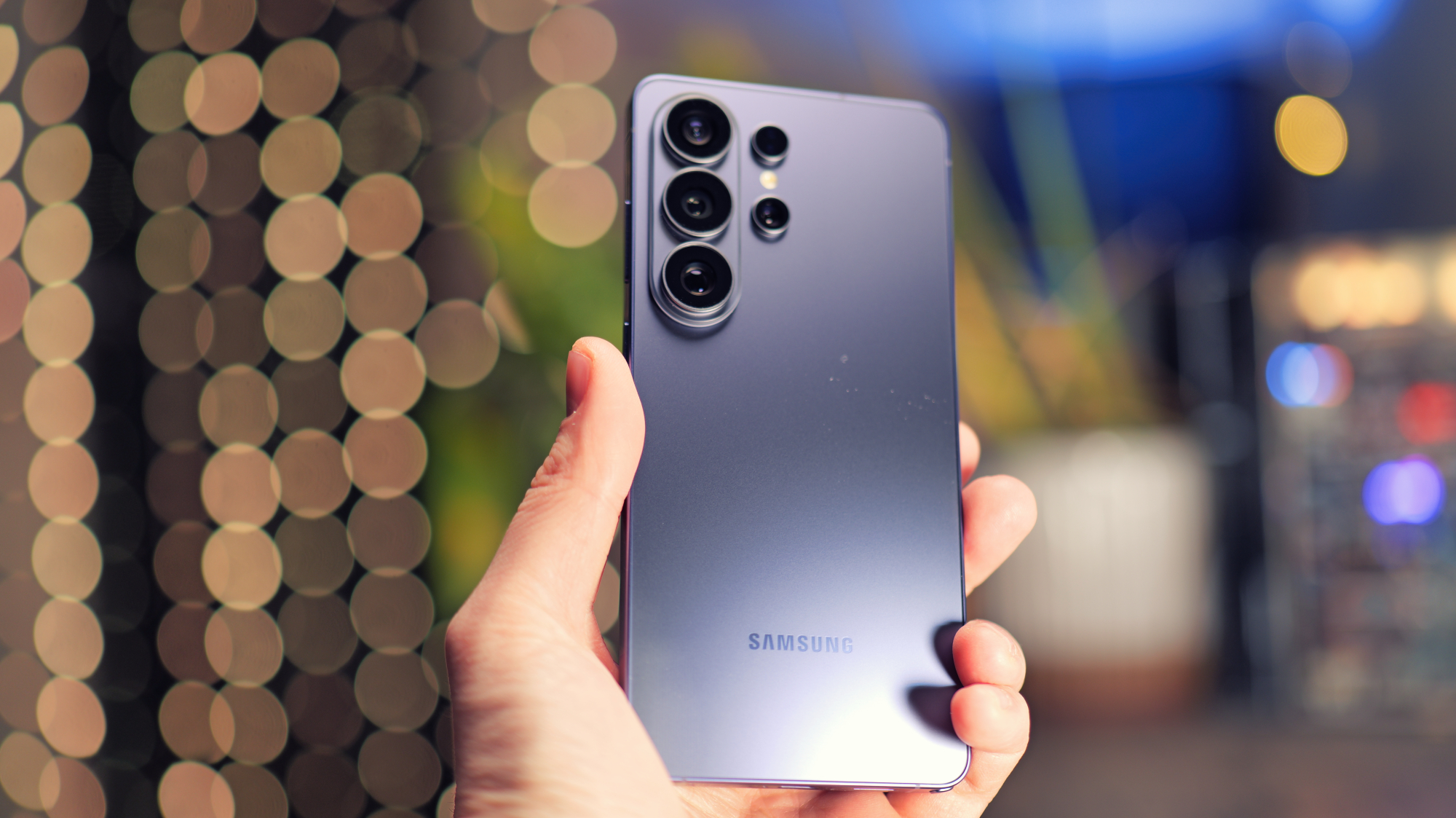
Ever since Samsung first unveiled its ‘Ultra’ phone several years back, the company has consistently offered one of the most feature-packed Android flagships on the market, and that remains the case with the new Galaxy S26 Ultra. It might not be a complete reinvention of its predecessor, but it’s a top-tier phone nonetheless.
It’s the combination of an epic 6.9-inch display, rich stereo speakers, epic battery life and versatile cameras that make the S26 Ultra the one Samsung phone to buy to avoid any mobile-related FOMO. The whole thing is made even better this year with the addition of Privacy Display, which blocks out areas of the screen or the entire screen.
It’s such an ingenious feature that we reckon all manufacturers will have their own version of the tech within a few years, and it means that everyday actions such as sending information to loved ones or opening up your banking apps cannot be spied on by those around you. While the battery size has stayed the same at 5000mAh, there has at least been a big uptick in charging with both wired and wireless speeds bumped to 60- and 25W, respectively – albeit without the Qi2 magnets built in as we all hoped for.
Although the cameras are largely unchanged from last year, there is a handy addition in the form of horizon lock – something that’s been a staple of action cameras for years. This bit of software can keep your videos steady at a specific horizon level, even as you rotate the phone itself, which is a big win for mobile content creators who require smooth footage.
The device is also thinner than previously, while still t
Who should buy the Samsung Galaxy S26 Ultra?
Professionals and content creators who need top-shelf specs across the board
Samsung Galaxy S26 Ultra: Further considerations
It’s a lot more expensive than the S25 Ultra, which can now be found for less
Read our full Samsung Galaxy S26 Ultra review
2. Samsung Galaxy S25 FE – Best Mid-Range
Pros
- Flagship design and build
- Strong main and selfie cameras
- Impressive battery life
- One UI is slick and intuitive
- Seven years of updates
Cons
- Supporting cameras could be better
- Occasional software bugs
- Not suitable for demanding gaming
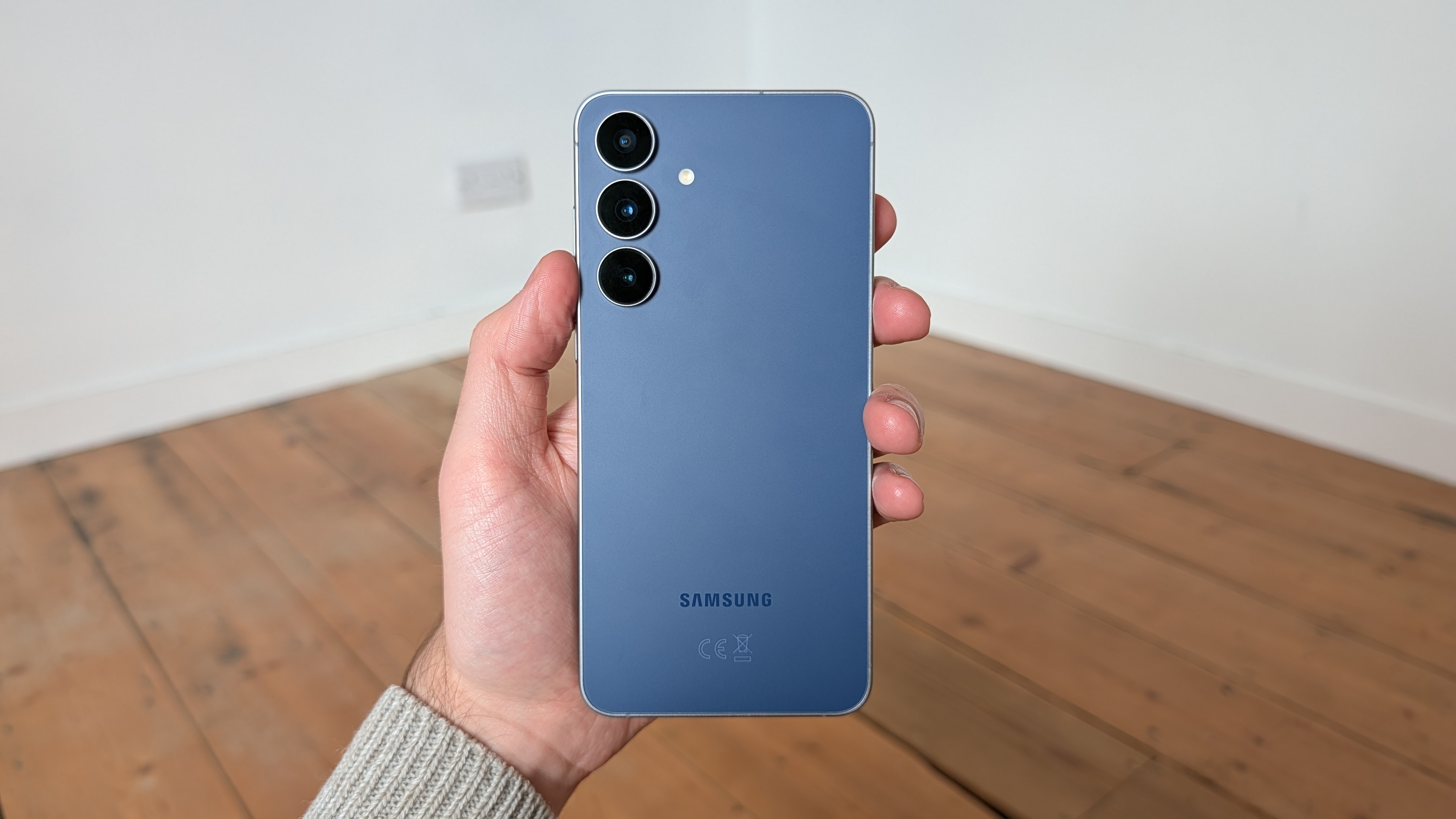
For the longest time, Samsung’s Fan Edition phones have seemed to occupy a commercial no-man’s land where the value didn’t appear to be quite as good as the company’s A-series mid-range handsets, nor were they as feature-packed as the entry-level model of that year’s flagship Samsung phones.
Well, all of that has gone out of the window with the Galaxy S25 FE.
With this latest phone, Samsung has finally hit the right balance of value and performance. The Exynos 2400 chipset is the same one that was previously reserved for the Samsung Galaxy S24, and it performs well in everyday use. The only area where it struggles is in more demanding 3D games, but otherwise it has just the right amount of grunt for most users.
You’re also getting a larger display than the standard S25 with a sizeable 6.7-inch AMOLED panel, which is great for catching a bit of entertainment on the go, and the stereo speakers boast impressive sound for when you’re watching Netflix at home. On the back, you have no less than three cameras, spearheaded by a 50Mp main sensor which can pump out some great-looking shots with that typical Samsung eye for colour.
The fact that the phone is a whole £150/$150 cheaper than the S25 and comes with the full promise of seven years of software updates just makes it even better. It would be nice if Samsung could do more to beef up the secondary cameras, but that’s a minor blemish on what is overall a great option for anyone interested in buying a mid-range phone.
Who should buy the Samsung Galaxy S25 FE?
Samsung fans who want a flagship-quality phone for less, or anyone looking for the best mid-range phone you can buy.
Samsung Galaxy S25 FE: Further considerations
The standard Galaxy S25 can be found for around the same price when discounted, and is a better choice if you prefer small phones.
Read our full Samsung Galaxy S25 FE review
3. Samsung Galaxy A17 5G – Best Budget
Pros
- Sleek design
- Long software support
- Large, punchy screen
- Slick user interface
Cons
- Almost identical to A16 5G
- Lacklustre secondary cameras
- No eSIM
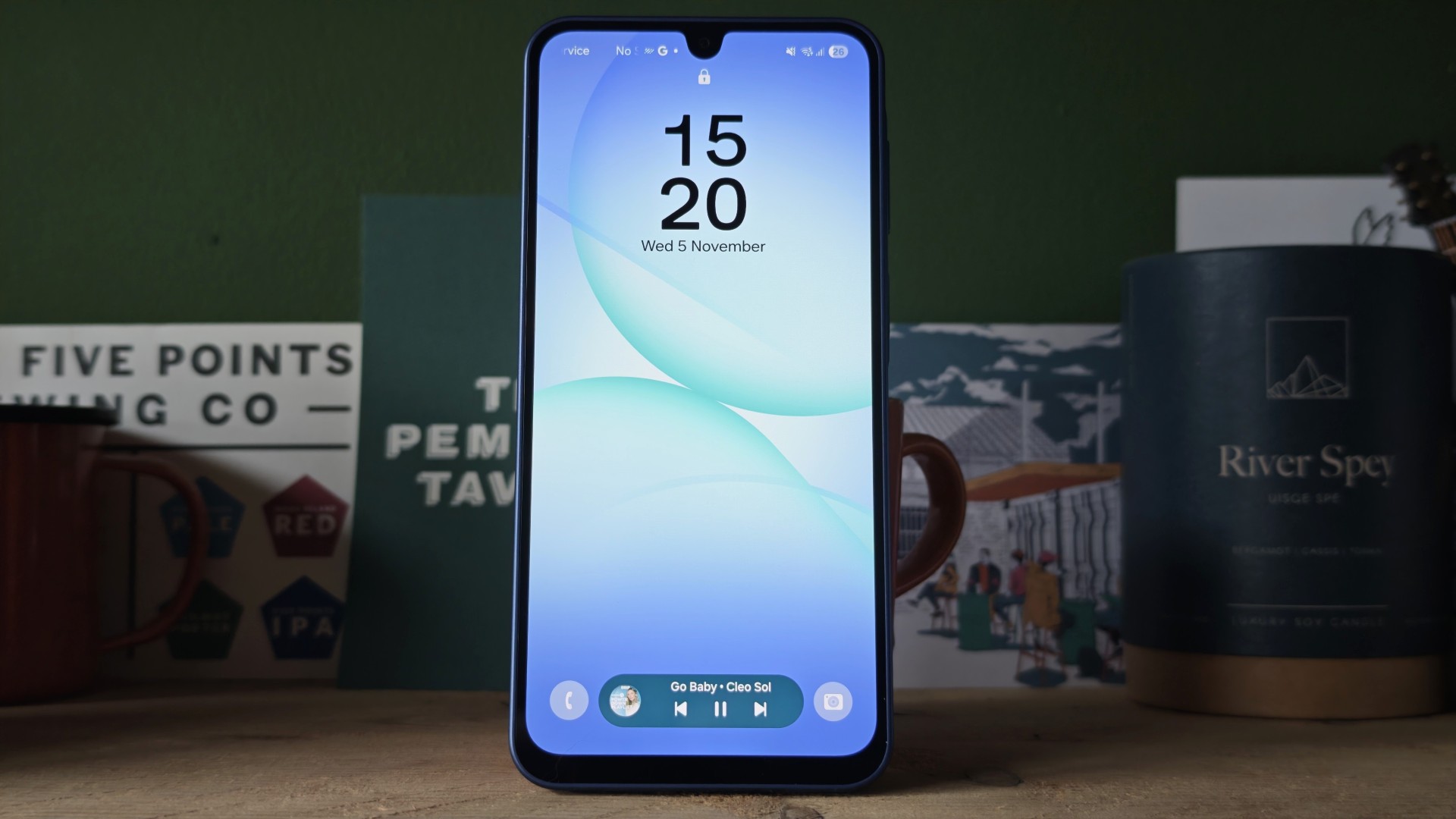
If ever someone wanted to solidify the argument that Samsung currently rests too hard on its laurels, the Galaxy A17 5G makes for the perfect piece of evidence, but it’s far from a bad phone. Even though it’s almost identical to the previous Galaxy A16, it’s still using the solid foundations that Samsung has built in the budget sector to become an easy buy for anyone shopping at this price point.
In terms of upgrades, the only major difference here is the bump from 90Hz to 120Hz, but when you pair that with the eye-catching 6.7-inch AMOLED display, it’s a nice feature to have and one that just makes day-to-day use feel even better. The Exynos 1330 chipset makes a return, but for a phone that’s priced at £199, it easily gets the job done without any complaints.
The key thing that the A17 does so well is convince you that it’s anything but a budget phone, and it does this largely through its design and software. On the former, the phone combines a plastic frame with a glass fibre back to feel almost premium in the hand, and at 7.5mm thin, it’s also wonderfully lightweight.
With regards to software, you’re getting One UI 7 out of the box, which felt like the big shift that Samsung fans had been waiting years for at the time of launch, taking on a far more aesthetically pleasing tone that better mirrors what Apple’s iOS brings to the table. An update to One UI 8 has since become available, making it even more appealing.
Getting six years of updates from the time of launch is the icing on the cake, but it’s still worth considering the A16 as it can now be found for even less.
Who should buy the Samsung Galaxy A17 5G?
Samsung fans who want a budget phone that ticks all the right boxes.
Samsung Galaxy A17 5G: Further considerations
The Galaxy A16 is practically the same and now even cheaper.
Read our full Samsung Galaxy A17 5G review
4. Samsung Galaxy Z Fold 7 – Best Foldable
Pros
- Incredibly slim and lightweight
- Upgraded cameras
- Less noticeable crease
- Excellent software
Cons
- No S Pen support
- No battery or charging upgrades
- Can throttle while gaming
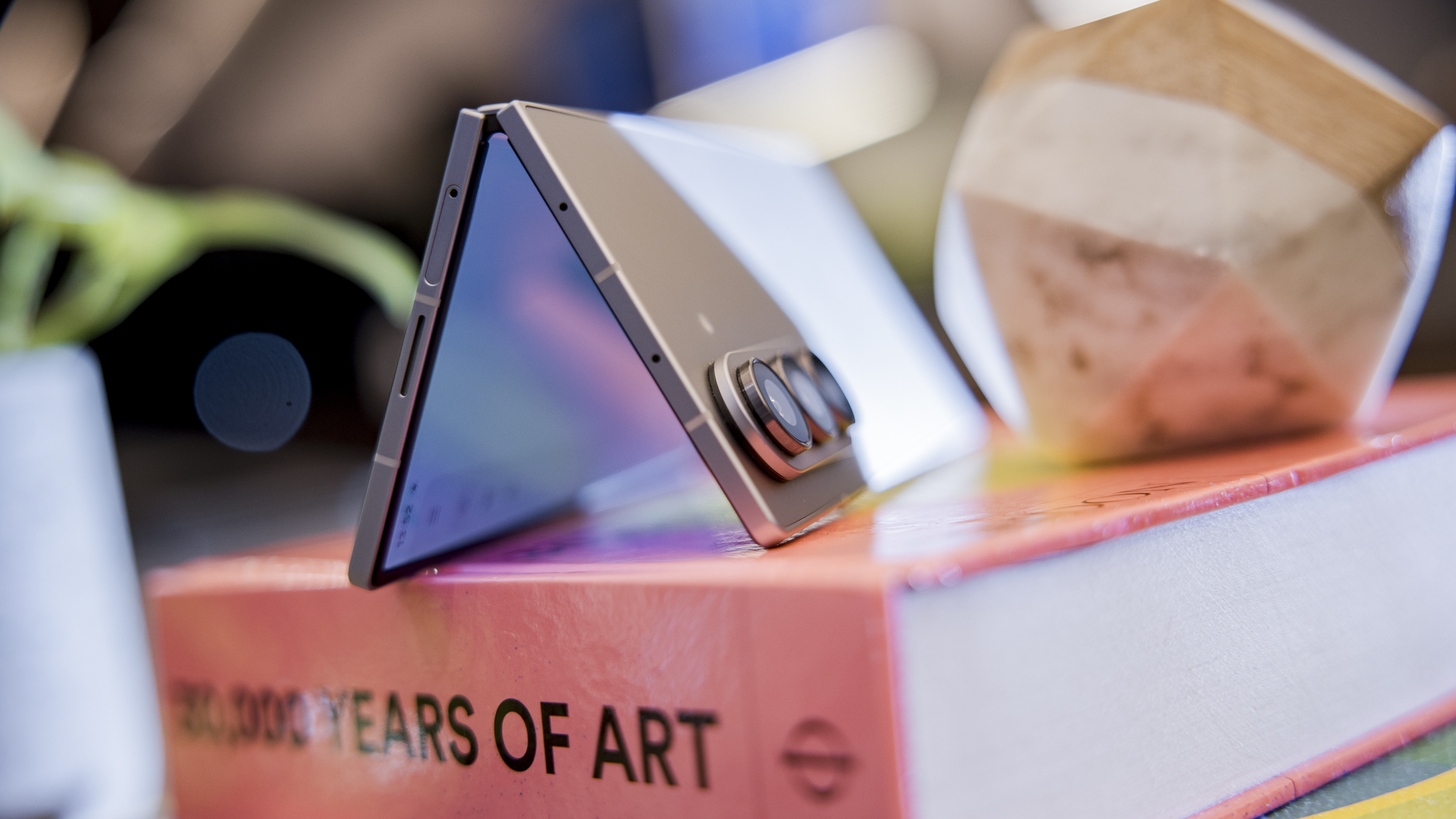
While great in their own right, the most recent Galaxy Fold phones have felt like a lesser experience than what competitors such as OnePlus and Honor have been able to provide, but that feeling of envy is nowhere to be found with the massively upgraded Galaxy Z Fold 7. This is a foldable phone that means business, and it’s a must-have for any Samsung fan with the budget to splash.
The biggest upgrade here is that, compared to the Z Fold 6, the 7 is now just 4.2mm thick when unfolded, making it barely that much larger than the USB-C port at the bottom. With this new lightweight build in tow, it no longer feels as if you’re carrying around two devices in your pocket, and it’s much more comfortable to use the phone unfolded for longer periods of time.
As with any book-style foldable phone, the reason why you would want the Z Fold 7 is for its ability to amp up your productivity on the go. When using the 8-inch inner display, it’s very easy to multitask with several apps at once, making it possible to research a document whilst typing up your findings at the same time.
You can also use the form factor to prop up half of the interior display, perfect for watching content when you’re on a plane, as you don’t need to hold the phone in your hand. The cameras have also been massively upgraded this iteration, so you’ll be able to capture plenty of colourful shots that won’t leave you pining for the S25 Ultra.
Who should buy the Samsung Galaxy Z Fold 7?
Productivity users who need their phone to operate as a work-device with multitasking features.
Samsung Galaxy Z Fold 7: Further considerations
It’s the most expensive Samsung phone by far – even the S25 Ultra seems cheap by comparison.
Read our full Samsung Galaxy Z Fold 7 review
5. Samsung Galaxy Z Flip 7 – Best Flip Phone
Pros
- Superb cover screen
- Great internal display
- Excellent main rear camera
- Top-tier software experience
- Seven years of updates
Cons
- Battery life could be better
- Slow charging
- Still no telephoto camera
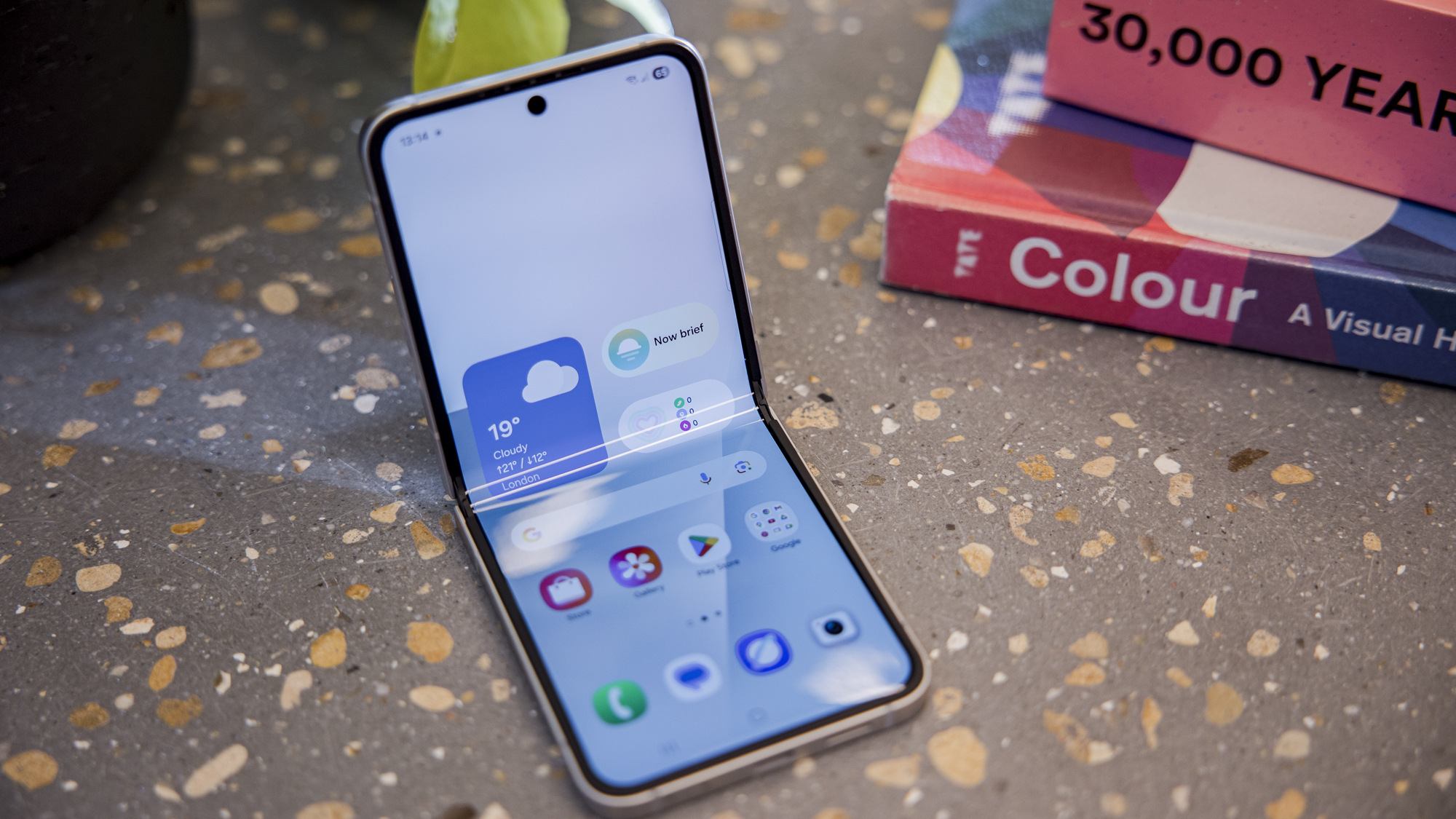
Just like the Z Fold 7, the Flip 7 represents a major leap forward for Samsung’s foldable line-up, finally meeting the competition on level ground thanks to a whole host of upgrades that fans have been clamouring for. While there’s a lot to like about this phone, it’s the new cover screen that held our attention more than anything else.
Instead of the cramped and weirdly ratioed outer screen of the Galaxy Z Flip 6, the Flip 7 takes a leaf out of Motorola’s book in offering an external display that’s almost end-to-end, making it much better suited for using full-fat apps at short notice. It’s bright too, with 2600 nits, so unless you’re after a specific use-case, there’s a good chance that you won’t need to use the interior display most of the time.
For the moments when you do want to kick back with a film or dabble in a spot of gaming, the Z Flip 7’s internal 6.9-inch display has you covered. The vibrant AMOLED panel works in tandem with the Samsung Exynos 2500 chipset to deliver an overall experience that’ll leave you wanting for very little.
If there’s one area that could still do with some improvement it’s in the battery life, not just in longevity but also the speed of the charging (25W is simply too slow in 2025). Still, it’s a minor issue, and the fact that you can get seven years of updates from the point of launch just makes the Z Flip 7 one of the better investments right now in the world of flip phones.
Who should buy the Samsung Galaxy Z Flip 7?
Content creators and those who appreciate having a compact phone with high-end specs.
Samsung Galaxy Z Flip 7: Further considerations
While handy for shooting selfies, the cameras don’t quite compete with the standard Galaxy S phones.
Read our full Samsung Galaxy Z Flip 7 review
6. Samsung Galaxy S26+ – Best Battery Life
Pros
- Large display is vibrant, great for gaming and streaming
- Plenty of power available, and it doesn’t run too warm
- Some of the best AI you’ll find in a phone
Cons
- Price increase means better value rivals
- Minimal gains on battery life
- Cameras are capable, but not special
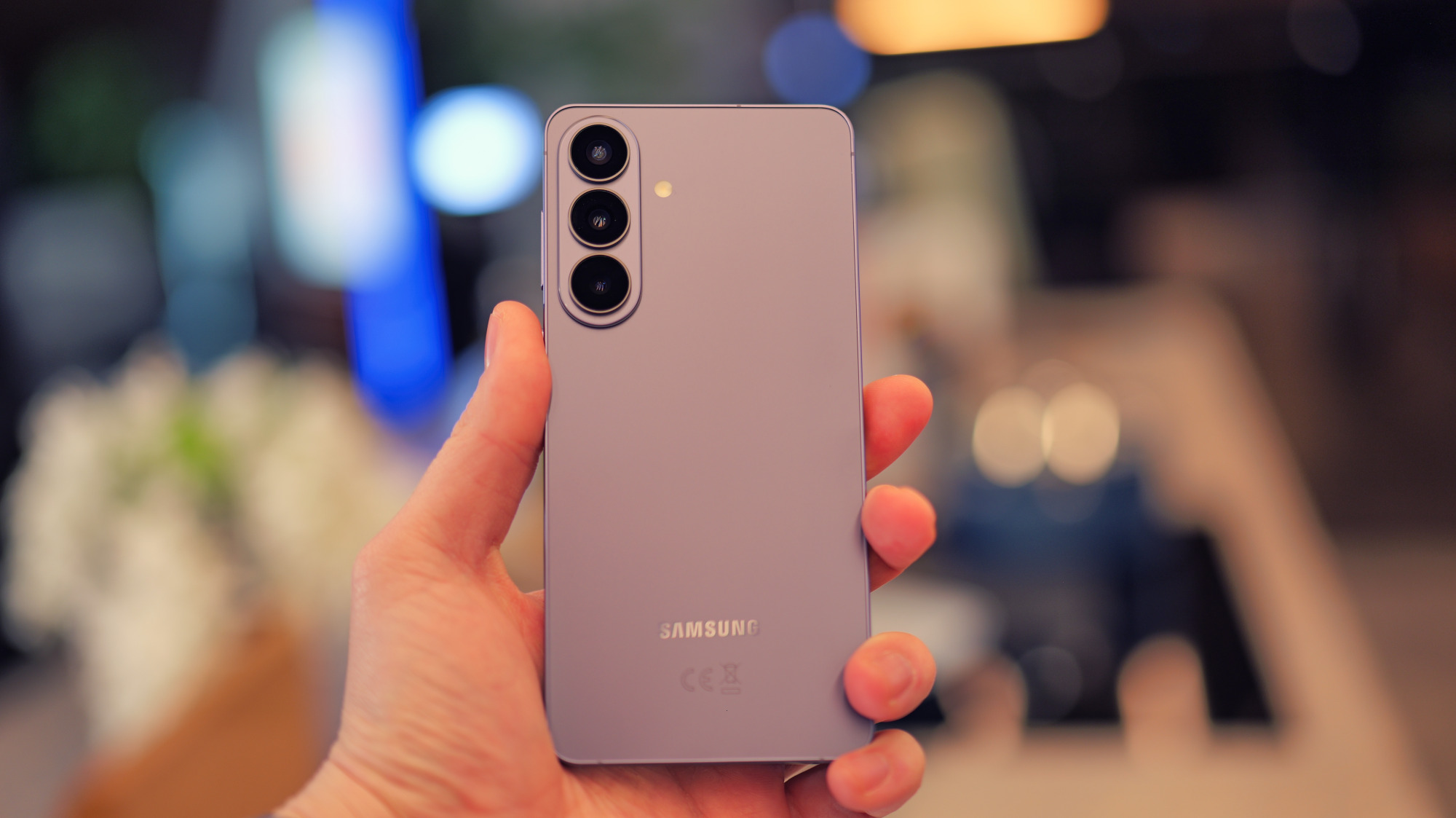
While the S26 is an ideal entry-point into Samsung’s latest flagship range, and the Galaxy S26 Ultra is arguably too expensive for many users, the Samsung Galaxy S26+ represents the perfect middle ground. You’re getting tons of flagship features here, including an epic battery life that crucially won’t cost you as much as the Ultra.
Just like it’s been with previous generations, the main appeal here over opting for the standard Galaxy S26 is that you’re getting a larger 6.7-inch AMOLED display for your money, alongside a beefier 4900mAh cell. The combination of these two factors is exactly why the S26+ is a great handset for entertainment.
Admittedly, it would have been nice if Samsung had seen fit to upgrade the battery or charging speeds in any way over the S25+, but the core experience is still solid and it’s very unlikely that you’ll ever find yourself dreading a low battery alert towards the end of the day. Plus, the new Exynos 2600 chipset is more efficient than before to help lessen everyday battery even further.
The real allure of the S26+ to non-Samsung users will be in all that you get from the brand’s ecosystem. For starters, seven years of OS updates is brilliant for providing long-term value, and Samsung’s OneUI overlay and Galaxy AI software continue to get better each year, and the S26+ is one of the go-to phones right now to show all of that off in its best light.
Who should buy the Samsung Galaxy S26+?
Gamers and streamers who want a long-lasting, big-screened flagship phone.
Samsung Galaxy S26+: Further considerations
Camera and charging speeds are bested by the competition. Doesn’t have the Ultra’s Privacy Display.
Read our full Samsung Galaxy S26+ review
7. Samsung Galaxy S25 – Best Small Flagship
Pros
- Speedier than ever
- Loads of handy AI features
- Improved image processing
- More RAM and a 512GB option
Cons
- It’s basically the same as S24
- Slow charging
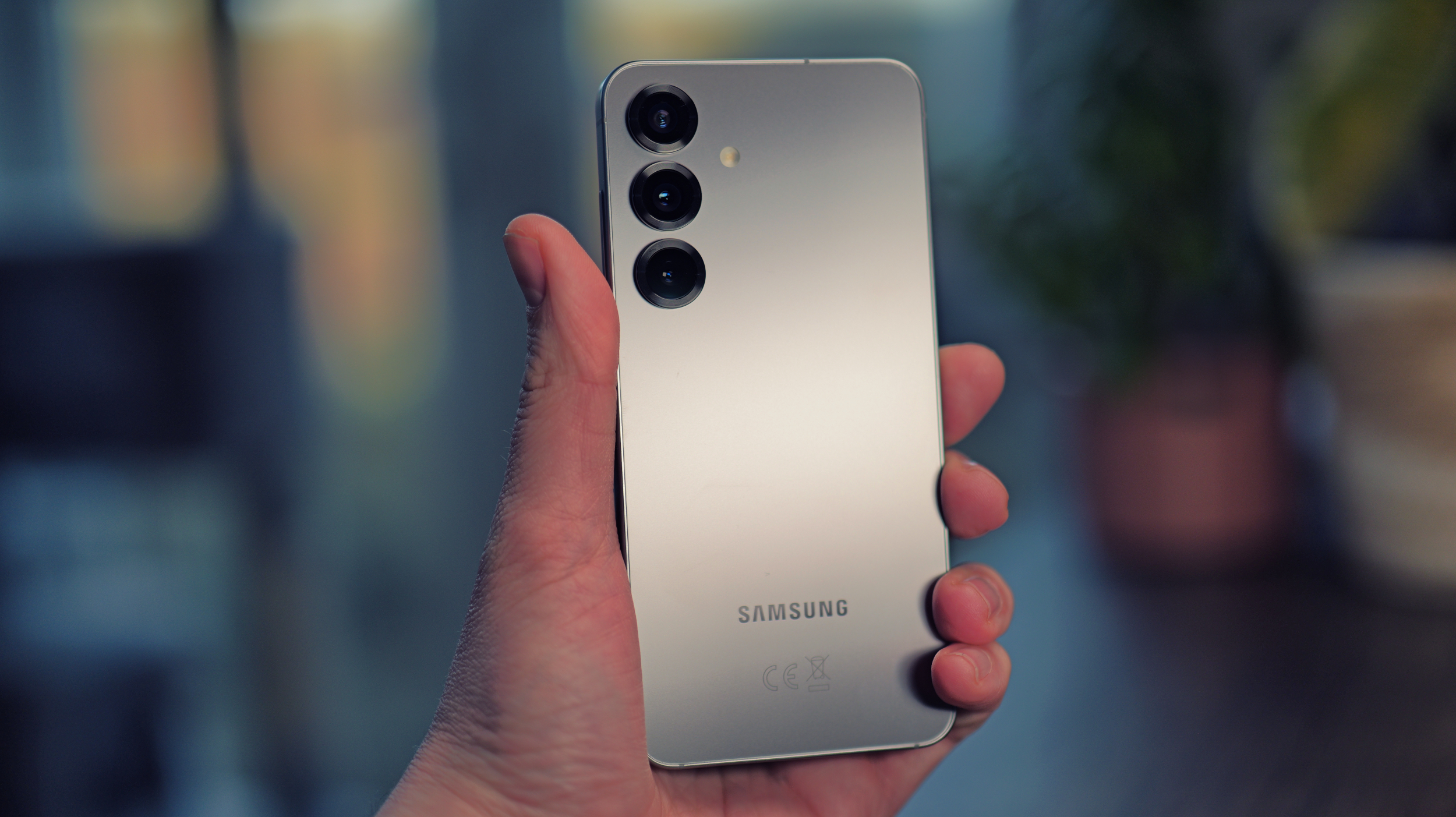
It’s no longer just a feeling that the standard Galaxy phones have become fairly iterative – the Galaxy S25 cements it, being not too dissimilar to the Galaxy S24, which in turn was a minor update on the Galaxy S23. While this means that the phone isn’t a must-buy for anyone who’s upgraded in the last two years, it is however, a solid option for those with a much older device.
Even though it hasn’t made a ton of leaps in hardware, Samsung has slowly been perfecting its software game and now, the Galaxy S25 represents one of the most competent Android phones you can buy today. While it might not be the best at any one particular thing, it is a great jack of all trades, much in the same vein as the iPhone 16.
The super fast Snapdragon 8 Elite for Galaxy chipset is what ties the whole thing together. Coupled with the 120Hz LPTO tech, every type of app runs so smoothly that your existing phone will feel positively ancient by comparison, and the added benefit of Galaxy AI just gets you even more bang for your buck.
It’s also worth mentioning that with a 6.2-inch display, the Galaxy S25 is one of those rare phones that can genuinely be used one-handed, so if you’re sick of the trend that implores companies to explore even bigger handsets, then this is the phone for you. There’s even a 512GB model now so if you prefer having more onboard storage for apps and photos, you have that option here.
Although the newer Galaxy S26 is on the scene, the S25 is still a great option for anyone after flagship performance on a budget as the phone can now be found for much less.
Who should buy the Samsung Galaxy S25?
Android users after an upgrade that offers a great experience across the board.
Samsung Galaxy S25: Further considerations
The Galaxy S26 is now on the scene with a faster processor and a bigger battery.
Read our full Samsung Galaxy S25 review
8. Samsung Galaxy A36 5G – Best Value
Pros
- Exemplary software support
- Good camera
- Two-day battery life
Cons
- Mediocre performance
- Drab design
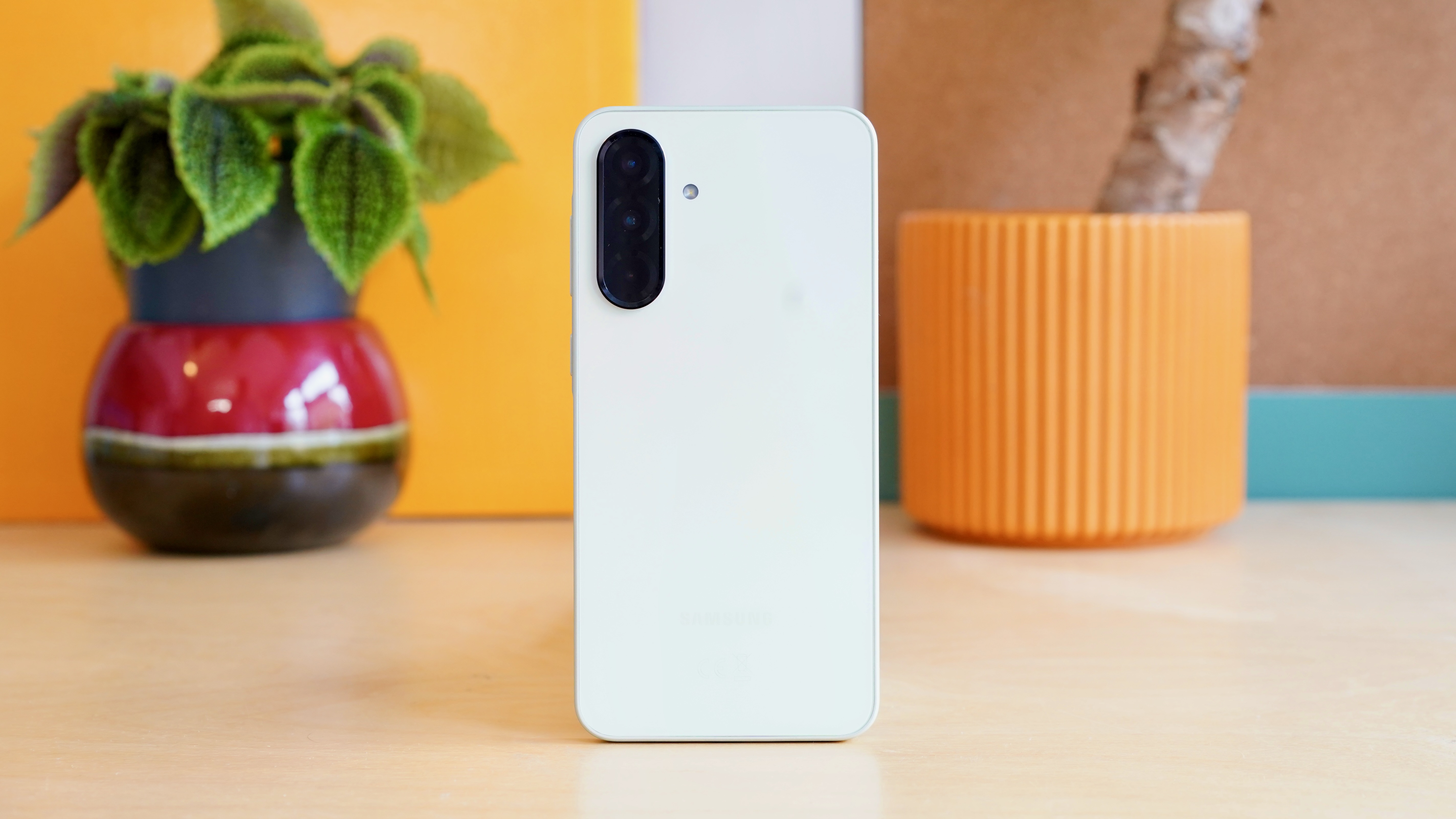
From the A56 down to the A16, Samsung has plenty of great budget options available to those who simply cannot afford a handset from the main Galaxy S line-up, but of all the ones you can buy, it’s the Galaxy A36 that hits the sweet spot of being affordable yet feature-packed.
Admittedly, the Galaxy A36 isn’t going to wow anyone with its looks, but if you’re the type of person who always puts a case on their phone then this isn’t going to matter all too much. What is important is that, unlike most of the phones you can find around the A36’s £399/$399.99 price point, you’re getting a full six years of software and security updates from the time of launch.
Unfortunately, most budget/mid-range phones still tend to cap out at around three-years of support if you’re lucky, so to have double that on an affordable device is a huge win for consumers, especially if you don’t want to go through the upgrading process again in just a few years.
Beyond the software support, you’re also getting a massive 5000mAh battery which, under the right conditions, can actually last for up to two-days at a time. That’s helpful because you’ll want to make use of the excellent 50Mp main camera which can capture some truly great-looking shots.
Who should buy the Samsung Galaxy A36?
Anyone who wants a long cycle of software updates and a reasonable price tag.
Samsung Galaxy A36: Further considerations
Spend a little bit more and you’ll get better durability overall with the Galaxy A56. The Galaxy A37 is imminent.
Read our full Samsung Galaxy A36 5G review
9. Samsung Galaxy A56 – Best High-end Mid-range
Pros
- Thinner and lighter than before
- Good user experience with nice AI additions
- Improved fast-charging
- Longer software support than predecessors
Cons
- Secondary cameras don’t add much
- Not great for gaming
- Lacklustre speakers
- Pricey given the features
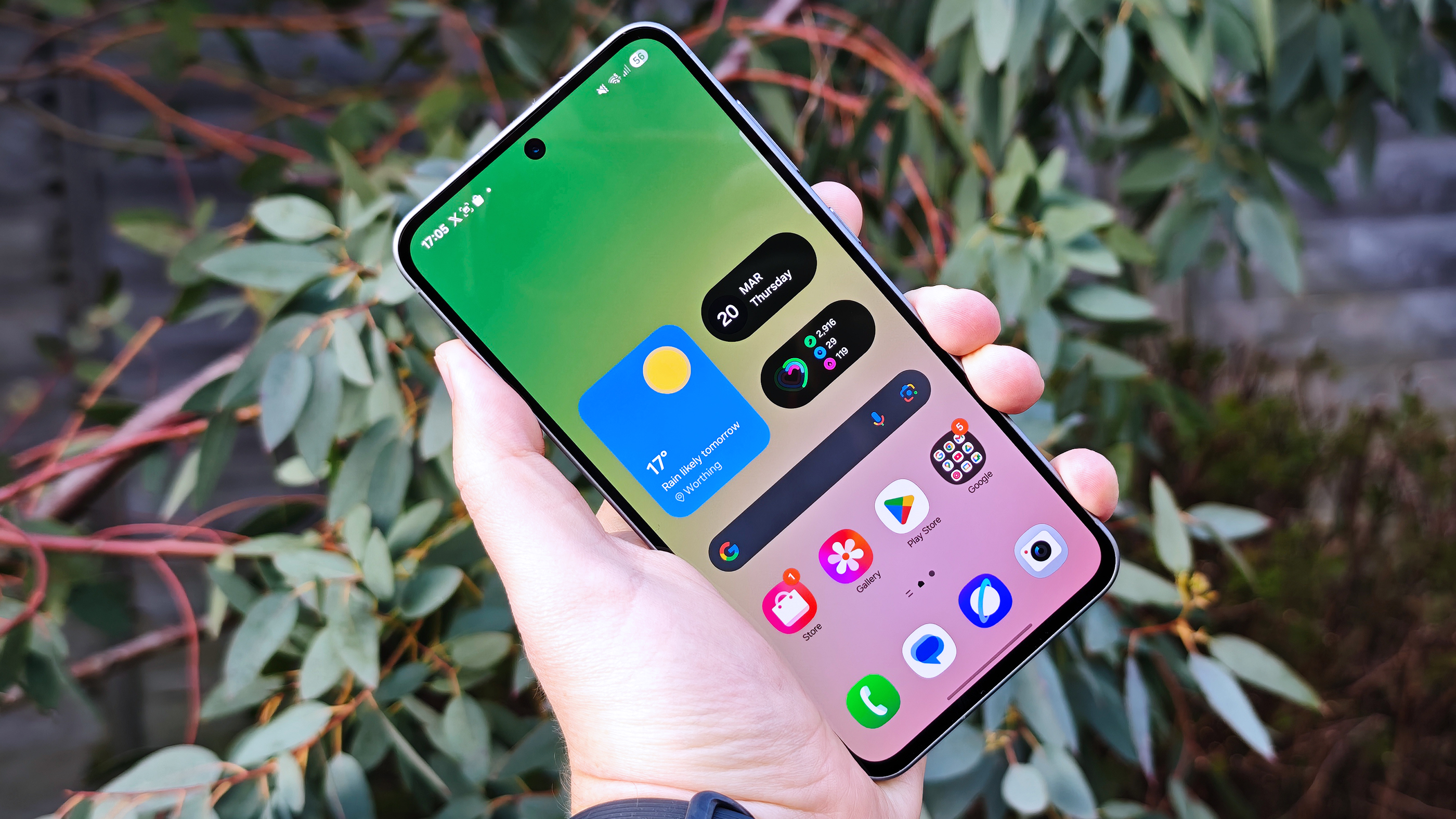
Even against increased competition from the likes of Google, Honor and Nothing, Samsung has proven time and time again that it is still a force to be reckoned with on the mid-range market, and the Galaxy A56 carries on that legacy. While you might find better cameras and a more eye-catching design elsewhere, the Galaxy A56 can’t really be matched when it comes to software and long-term support.
On the former, Samsung has continued to refine One UI to the point where it’s now one of the best looking Android overlays on the market, and it’s only been made better with the inclusion of Galaxy AI. You now have the ability to edit photos to your exact liking, bring up Circle to Search for more information on anything you see onscreen, and even quickly translate an ongoing conversation in two different languages when you’re travelling abroad.
The software experience is amazing, but what elevates it is the knowledge that you’re getting up to six years of official support from Samsung. There are very few phones that can match that longevity on the mid-range market, so the A56 automatically stands out for anyone who wants to get the most bang for their buck.
When it comes to the cameras, the A56 is bested by the likes of the Pixel 9a and the Xiaomi 14T, but the main 50Mp lens does do a good job in settings with plenty of natural light. The charging speed has also been boosted to 45W, so you won’t have to wait much more than an hour to get back to a full battery. If you are in a rush however, you can get two-thirds of the way there from just a 30-minute top-up.
Who should buy the Samsung Galaxy A56?
Mid-range buyers who want long software support to prevent the need for a near-future upgrade.
Samsung Galaxy A56: Further considerations
Depending on what you value most, the similarly priced Pixel 9a might be a better buy. The Galaxy A57 is imminent.
Read our full Samsung Galaxy A56 review
10. Samsung Galaxy Z Flip 7 FE – Best Affordable Flip Phone
Pros
- Solid design
- Lovely main display
- Excellent main camera
- Good everyday performance
Cons
- Underwhelming battery life
- Cover screen could be better
- Slow charging
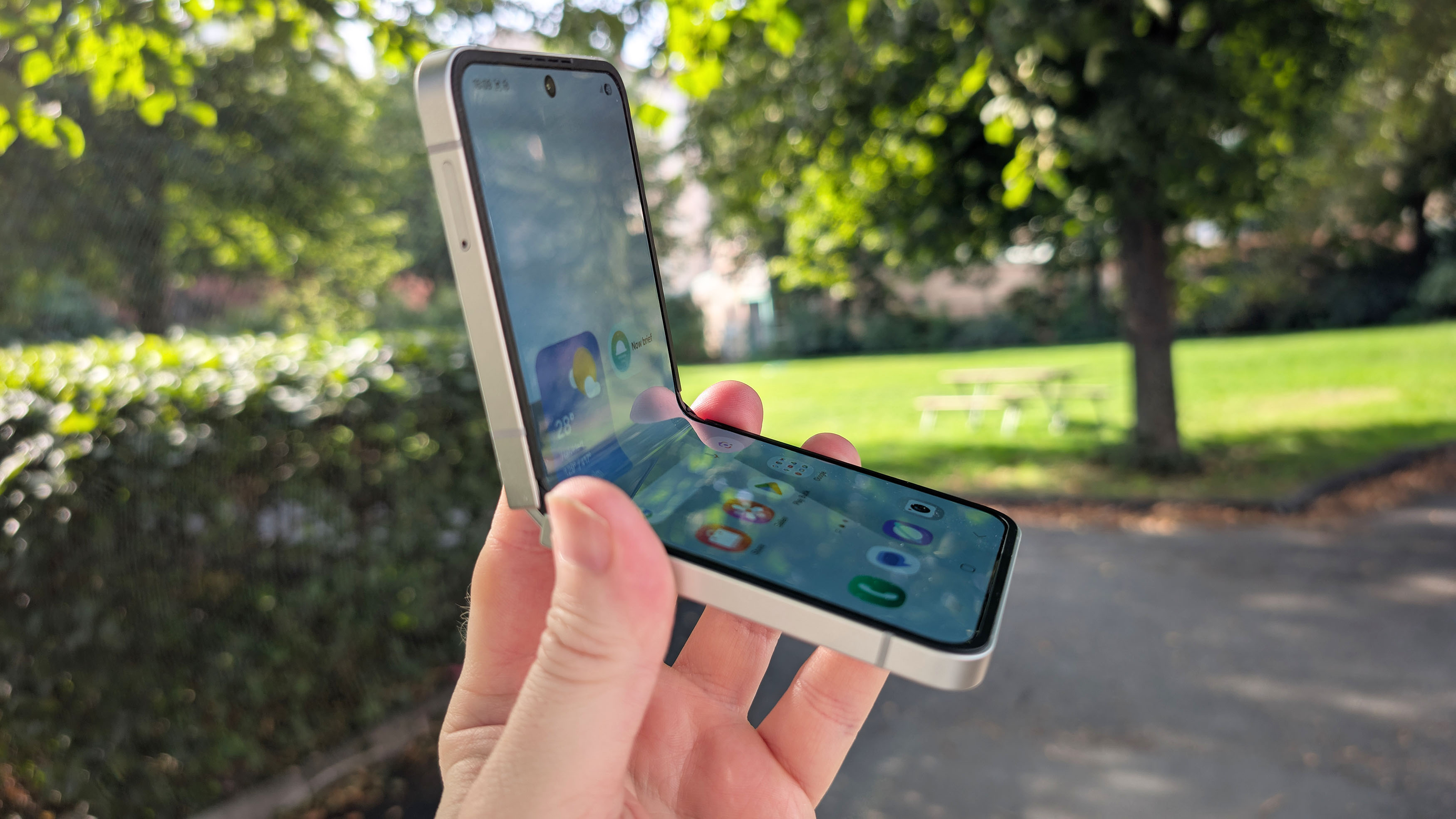
It’s taken quite a while for Samsung to finally embrace the idea of a more affordable version of its Galaxy Flip phones, but we’re glad it’s here at all. For the folks who like the idea of all that the flip factor brings to the table, but have been put off by the typically high price tag that goes with it, the Samsung Galaxy 7 Flip FE is the perfect option.
In many ways, the 7 FE is a slightly revamped Galaxy Z Flip 6, but that’s no bad thing. You’re getting a super bright 3.4-inch 60Hz display on the outside of the phone, and an even better 6.7-inch 120Hz screen on the inside. Unless you’re looking to dive into a spot of gaming, streaming or reading, you can get away with using the outer display for most things (which is helpful if you need a barrier to stop you from endlessly doomscrolling).
The main 50Mp camera does a great job of capturing jaw-dropping snaps with that great bit of colour saturation that Samsung is known for. Plus, thanks to the outer display, you can use that same camera to take all of your selfies, which will have your friends and Instagram followers wondering why your self-portraits look a lot better than theirs.
There are a few issues with the Flip FE, including a somewhat lackluster battery life and slow charging to go with it, but the main thing working against the phone is the existence of the Z Flip 7. Samsung’s latest mainline flip phone is such a massive upgrade over what came before that it’s just too easy to recommend to anyone who can afford it, but if your budget can’t be budged then the Z Flip 7 FE still represents a solid alternative.
Who should buy the Samsung Galaxy Z Flip 7 FE?
Fans of the flip phone concept who can’t splurge out on the Z Flip 7.
Samsung Galaxy Z Flip 7 FE: Further considerations
If you shop around, previous-gen flagships like the Razr 50 Ultra and the Z Flip 6 are now cheaper than ever.
Read our full Samsung Galaxy Z Flip 7 FE review
Other Samsung phones tested
Even though the phones featured above are the best of what Samsung currently has to offer, because the company puts out so many handsets each year, there are others are worth mentioning that either didn’t make the cut, or have been dropped due to newer models hitting the scene. One such example is the Galaxy S25 Ultra which, despite having been superseded by its S26 equivalent, is still a great phone that can now be bought for just a fraction of its original price.
The same philosophy applies to the Samsung Galaxy S25+, which in 2026 is still a powerful phone with a gorgeous screen and solid battery life, made even better by the continued improvements to OneUI, not to mention the device having several years of Android updates ahead of it.
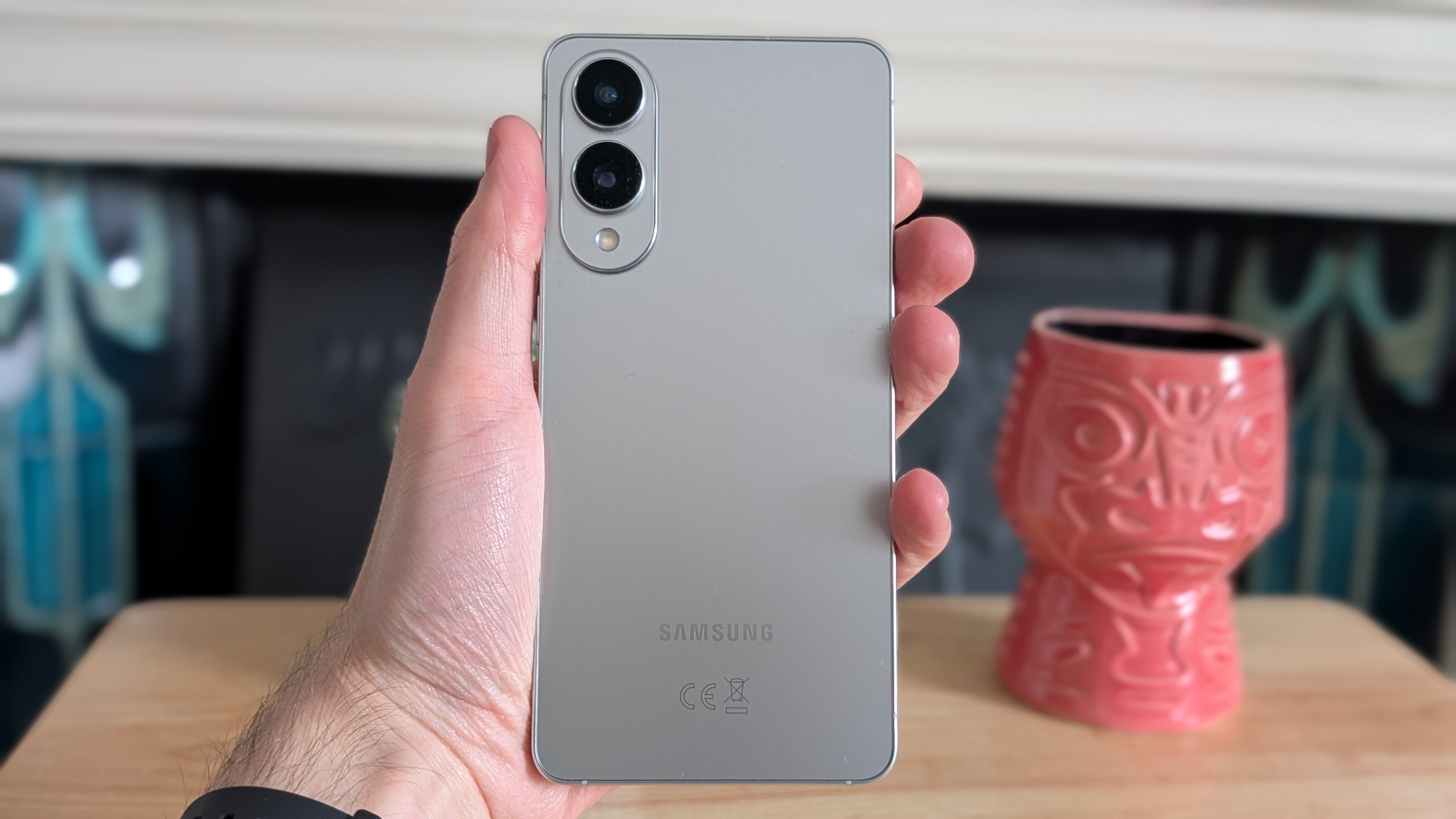
The Samsung Galaxy S25 Edge (below) sits on the other side of the equation, as it’s a very well-designed phone but it was missing too many features to justify its astronomical price at the time of launch. Well, in the time since the phone hit the market, we’ve seen it plummet to almost half its original price at some outlets, so it’s definitely one to look out for if you prioritise a phone’s design above all.
Here are the other key Samsung Galaxy phones to consider in 2026:
- Samsung Galaxy S24
- Samsung Galaxy S24 FE
- Samsung Galaxy S24+
- Samsung Galaxy S24 Ultra
- Samsung Galaxy Z Flip 6
- Samsung Galaxy Z Fold 6
- Samsung Galaxy A55
- Samsung Galaxy A35
- Samsung Galaxy A16 5G
Anyron Copeman / Foundry
Samsung phone news that could affect your buying decision
At this stage in 2026 (March), the Samsung Galaxy S26 lineup is now on the scene which makes this the best time to pick up the previous gen S25 range at a discount. Just like clockwork, retailers are now starting to sell off existing stock of yesteryear’s phones at a significantly reduced price, so bargain hunters hoping to upgrade to a newer device will do well to keep an eye on those older handsets.
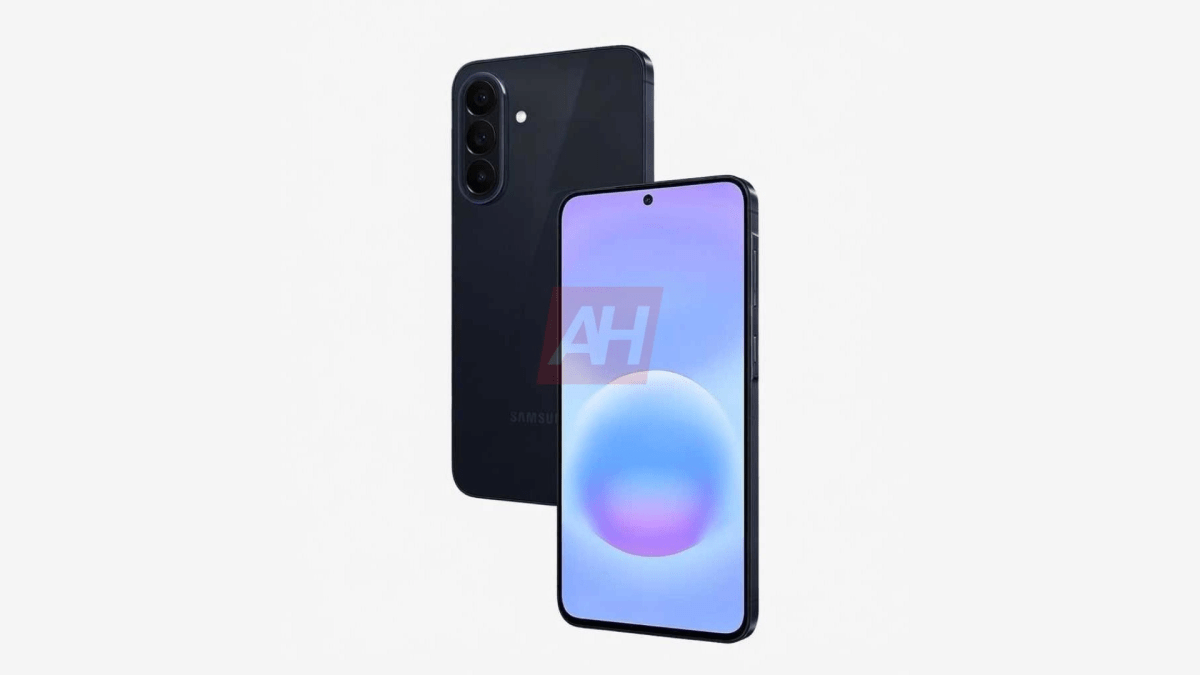
In terms of looking towards the future, we’re anticipating announcements for the Samsung Galaxy A57 (below) and A37 any day now, so you’re best holding off on picking up their predecessors unless you want to be hit with a serious case of FOMO in just a few weeks’ time.
Credit: Android Headlines
There’s more of a wait involved for the 2026 refresh of Samsung’s foldable phones, with the Galaxy Z Flip 8 and the Z Fold 8 (alongside its wide-set variant) are set to arrive sometime in the summer. The existing range were announced last July so earmark that in the calendar for now, but it does mean that you shouldn’t feel reluctant to pick up either the Z Fold 7 or Z Flip 7 unless you’re absolutely set on having the slimmer builds that the newer phones are rumoured to have.
Can I get a better Samsung phone deal?
All of the Samsung phones on this list are paired with the absolute best deals currently available for them across the web. Our automatic deals widget surfs through the results of the major retailers instantaneously, so you’ll always know at any given time which shop has the best price going.
Samsung is also known for offering substantial pre-order bonuses with its mainline Galaxy phones. For instance, both the S25 and S26 line-up provided extra storage at no additional cost, and there was a hefty trade-in bonus to go along with it, making for one of those rare opportunities where buying a phone at launch can actually save you a decent amount of money.
If you don’t fancy holding off until the next launch, you can always peruse our collection of the best refurbished phone deals, and then pair one of those handsets with our best SIM-only deals. It’s also worth remembering the big sales events of the year, including Black Friday and Amazon Prime Day, where it’s possible to see massive reductions on SIM-free Samsung handsets.
You might also want to consider leasing your phone from a company like Raylo. It means you can effectively rent the device for a low monthly fee, while giving you the flexibility to choose a separate SIM-only deal and easily upgrade to the next model or change phones.
How we test Samsung phones
Just like with any handset that reaches Tech Advisor towers, every Samsung phone we review is used as the main communications device by one of our tech experts for at least a week, often much longer. This involves using a personal SIM-card, taking notes on real-life battery and charging results, as well as putting the phone through our series of standardised tests, involving apps such as PCMark and Geekbench 6.
Read more about how we test smartphones.
Why you should trust Tech Advisor for phone reviews and buying advice
As one of the longest running consumer tech sites in the UK, Tech Advisor has reviewed every mainline Samsung phone ever since the original Samsung Galaxy handset first hit the scene back in 2009. Our core philosophy of offering objective, well researched buying advice was just as much at the heart of our work then, as it is now.
Who curated this article?
Anyron Copeman is Tech Advisor’s Mobile Editor and exactly the person to get in touch with whenever you’re unsure over which phone to upgrade to. He has more phones than you’ve had hot dinners and he knows exactly how all of the latest Samsung phones compare to their predecessors, so the addition of each phone on this list has been vetted by him. He’s supported by Chris, our Managing Editor, who has been reviewing phones for 15 years.
How to choose the best Samsung phone
Given that there’s an absurd amount of choice when it comes to buying a Samsung phone, the best thing to do is to consider how you intend to use your handset on a regular basis.
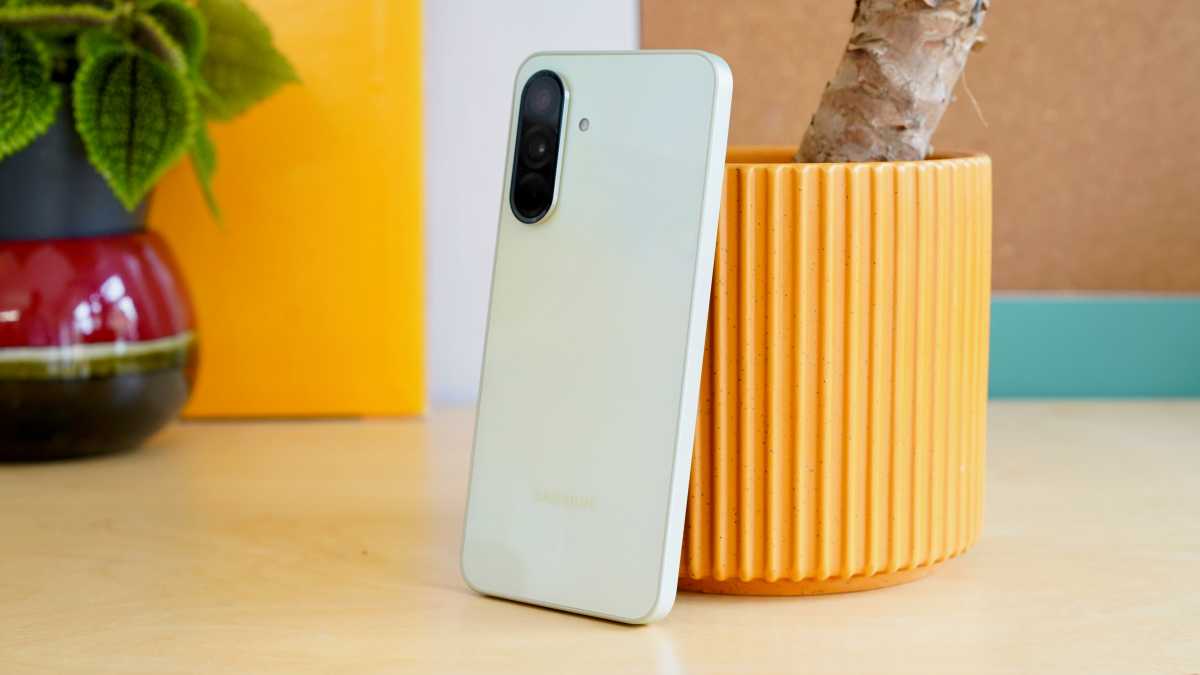
For instance, if you just want to have a sturdy phone for social media, entertainment and taking pictures then you’ll get on just fine with the Galaxy S25, the Galaxy A56 or even the Galaxy A36. All you have to do there is decide on how much you want to spend and choose the phone that best suits your budget.
Jon Mundy / Foundry
If you’re someone who’s constantly responding to emails and going through spreadsheets whilst on the move then you’ll want a phone that gives you more productivity tools. To that end, the Galaxy S26 Ultra and the Galaxy Z Fold 7 are your best options.
The S Pen on the Ultra is perfect for taking notes during meetings, while the larger internal display of the Fold 7 is well suited for multitasking in a pinch.
For content creators who need a phone that can help them record stable footage, and give their selfies a notable boost in quality, the Galaxy Z Flip 7 and the Z Flip 7 FE are the go-to picks. With these phones, you can open up them halfway and have their design work as a makeshift tripod, so you’ve always got an easy means of recording to-camera content.
Samsung Galaxy Phone FAQ
Is every Samsung phone a ‘Galaxy’ phone?
Yes. The ‘Galaxy’ brand is now found across every single Samsung smartphone, so don’t worry too much about it. The company also uses the brand for its headphones, tablets, smartwatches, and laptops – pretty much all of its tech outside of its appliances and TVs.
There were rumours of Samsung moving to a new branding, but it hasn’t happened yet.
What do the S, Z, A, and M letters mean?
Samsung uses letters to distinguish its various product lines.
‘S’ is used to mark its flagship phones – the S26 line is the latest, having launched in March 2026. These are among Samsung’s most expensive and powerful smartphones, marked by powerful specs and capable cameras.
The ‘Z’ branding is reserved for the company’s foldables, which are further split into the ‘Fold’ (larger book-style foldables) and ‘Flip’ (smaller ‘clamshell’ foldables).
Then the ‘A’ and ‘M’ lines are Samsung’s cheaper phones. The A-series sprawls from mid-range phones right down to budget handsets that cost as little as £100/$100, while the M-series overlaps with the lower end of the A-range and goes even cheaper – though Galaxy M phones often don’t launch in the US and Europe.
Why should I buy a Samsung phone?
There are a few reasons to opt for Samsung over other Android brands. The main one right now is the company’s commitment to software support – you’ll get six years of updates with most, while the flagships get seven years of both. Only Google, the makers of Android, can match that with Pixel phones.
Beyond that, Samsung phones are known for slick designs and impressive cameras. They also all run One UI, the company’s customised Android skin, which is among our favourites – making Samsung phones easier to use than a lot of Android alternatives.
What are the best Samsung phone alternatives?
Obviously, Samsung’s biggest rival worldwide is Apple, but you probably already know if you want an iPhone or not.
Within the Android space, the other options depend on where you live. If you’re in the US or Canada then the main alternatives are Google Pixel, OnePlus and Motorola. Google and OnePlus offer strong competition at the flagship end, but Motorola has a range of handsets to match Samsung’s at every price point.
Outside of the US you may have more options. Xiaomi, Oppo and Vivo are just a few of the Chinese phone companies that ship handsets across Europe and Asia, though not in the US.
Why aren’t there more cheap Samsung phones in this list?
While Samsung’s phone range covers every price, from the cheapest phones to premium folding flagships, our ranking is dominated by more expensive options.
There are two reasons for this. One is that we can only review the phones we have to test, and it’s typically more difficult to get our hands on those cheaper models.
Also, Samsung’s cheaper phones can be a bit hit-and-miss. Galaxy A handsets are often worth buying, but Galaxy M devices tend to be underpowered and not worth recommending for most people.
Like all cheap smartphones, budget Samsung offerings come with significant compromises. We always explain clearly what these are in our full reviews, so you can decide if they’re worth putting up with in exchange for a significant saving compared to flagships.
Author: Anyron Copeman, Mobile Editor, Tech Advisor

Anyron is Mobile Editor at Tech Advisor, where he’s been a mainstay of the editorial team since 2019. In his current role, Anyron is responsible for all smartphone, tablet and mobile network coverage on the site. A BA Journalism graduate, he has experience with a wide range of consumer tech products and services, including smartphones, tablets, foldables, wearables and more.