
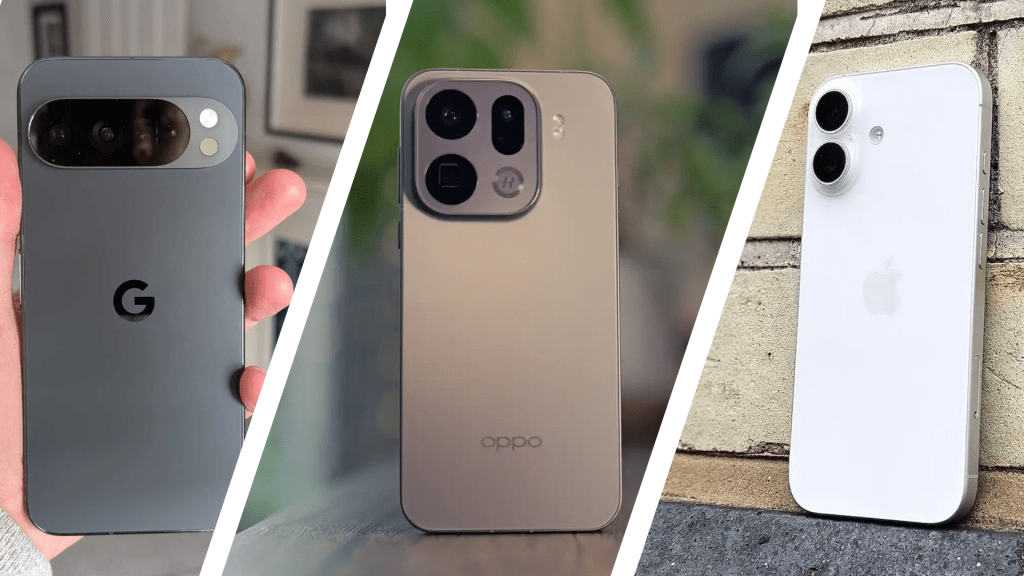

Given just how important smartphones have become, taking charge of everything from banking on the go to letting you stay on top of the latest must-watch shows, the last thing anyone wants is to invest in a new upgrade that falls short of their expectations, especially given that flagship phones are no modest investment. This is where our team of tech experts can help, finding you the best phone for your needs.
The team at Tech Advisor has been testing out all manner of smartphones ever since the concept first came to market with the very first iPhone and those early Samsung handsets that could easily fit into your pocket. While we’ve seen plenty change about the industry in that time, our commitment to offering detailed, unbiased reviews has never wavered, which is why you can shop with confidence when reading our buying advice.
This list has been put together to give you the best overview of the smartphone market in 2026, with our top picks across a range of budgets and use cases. For instance, if you want a device that goes all in on camera tech above all else, then you can find that right here, and the same goes for anyone who doesn’t want to spend more than £300/$300 on their next upgrade.
However, if you are interested in getting a bit more granular with your research, then we do have more specialised round-ups for the best camera phones, best battery phones and the best dual-SIM phones.
For those who are shopping with a budget in mind above all else, then you’ll be better suited by checking out the latest from the best mid-range phones and the best cheap phones.
Best Android and iPhone phone reviews
1. Google Pixel 10 Pro XL – Best Phone Overall
Pros
- Gorgeous design and display
- Superb camera experience
- Brilliant Android 16 software with long support
- The best wireless charging on Android
Cons
- Big and bulky
- 100x zoom is disappointing
- Even more expensive

Buy a Google Pixel 10 Pro XL on iD Mobile with 100GB data for £39.99/month and £99 upfront
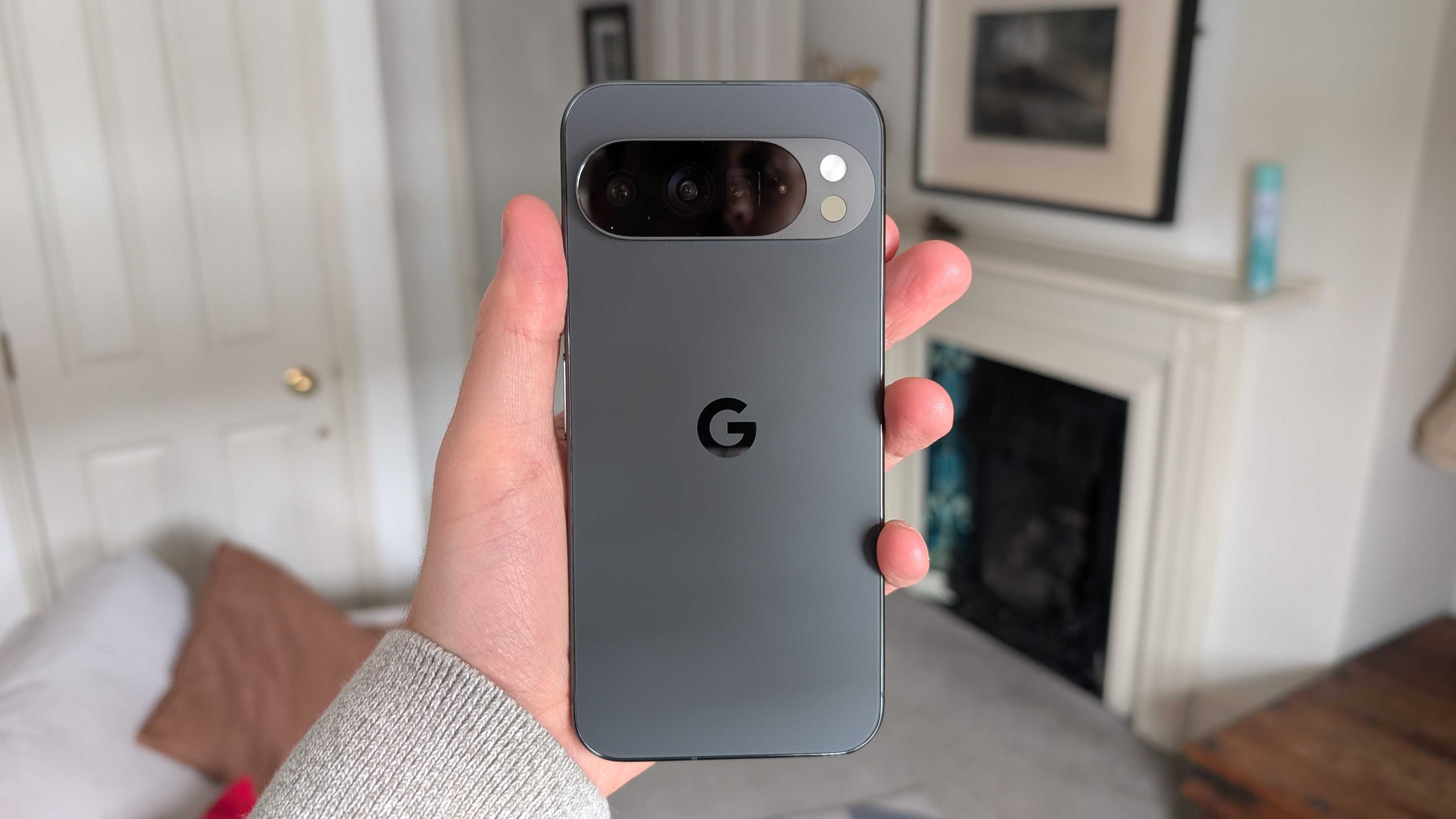
If money is no object, the Pixel 10 Pro XL is the finest smartphone you can buy right now. It combines ultra-premium hardware with the most accomplished software experience you’ll find on any phone, while simultaneously having no significant weaknesses.
Where shall we start? The stylish design and gorgeous 6.8-inch display immediately stand out, while the benefits of excellent durability and IP68 water and dust resistance become more significant over time.
The cameras offer the best point-and-shoot photography experience you’ll find on any phone, with video quality not far behind these days. The AI camera features are hit and miss, with 100x Pro Res Zoom unusable at times, but they can easily be turned off.
Elsewhere, the introduction of built-in Qi2 wireless charging and a new ecosystem of ‘Pixelsnap’ accessories is a big deal for Android. But improved 45W charging and solid battery life mean you shouldn’t need to rely on it too much.
And when it comes to software, the Pixel remains unmatched. Android 16’s new Material 3 Expressive is slick and easy to use, while Google is committing to prompt updates for a full seven years.
The Pixel 10 Pro XL is a big, bulky phone that doesn’t come cheap.
Who should buy the Google Pixel 10 Pro XL?
You want the absolute best phone you can buy right now, are willing to pay for it and don’t mind using Android.
Google Pixel 10 Pro XL: Further Considerations
Look elsewhere for faster charging and better battery life. If you’re looking for something smaller, consider the Pixel 10 Pro or regular Pixel 10.
Read our full Google Pixel 10 Pro XL review
2. Oppo Find X9 Pro – Best Phone Cameras
Pros
- Phenomenal cameras
- Gigantic battery
- Excellent performance and software
- One of the nicest screens around
Cons
- Expensive
- Only 5 years of OS updates
Buy an Oppo Find X9 Pro on EE with unlimited data for £55.60/month and £30 upfront
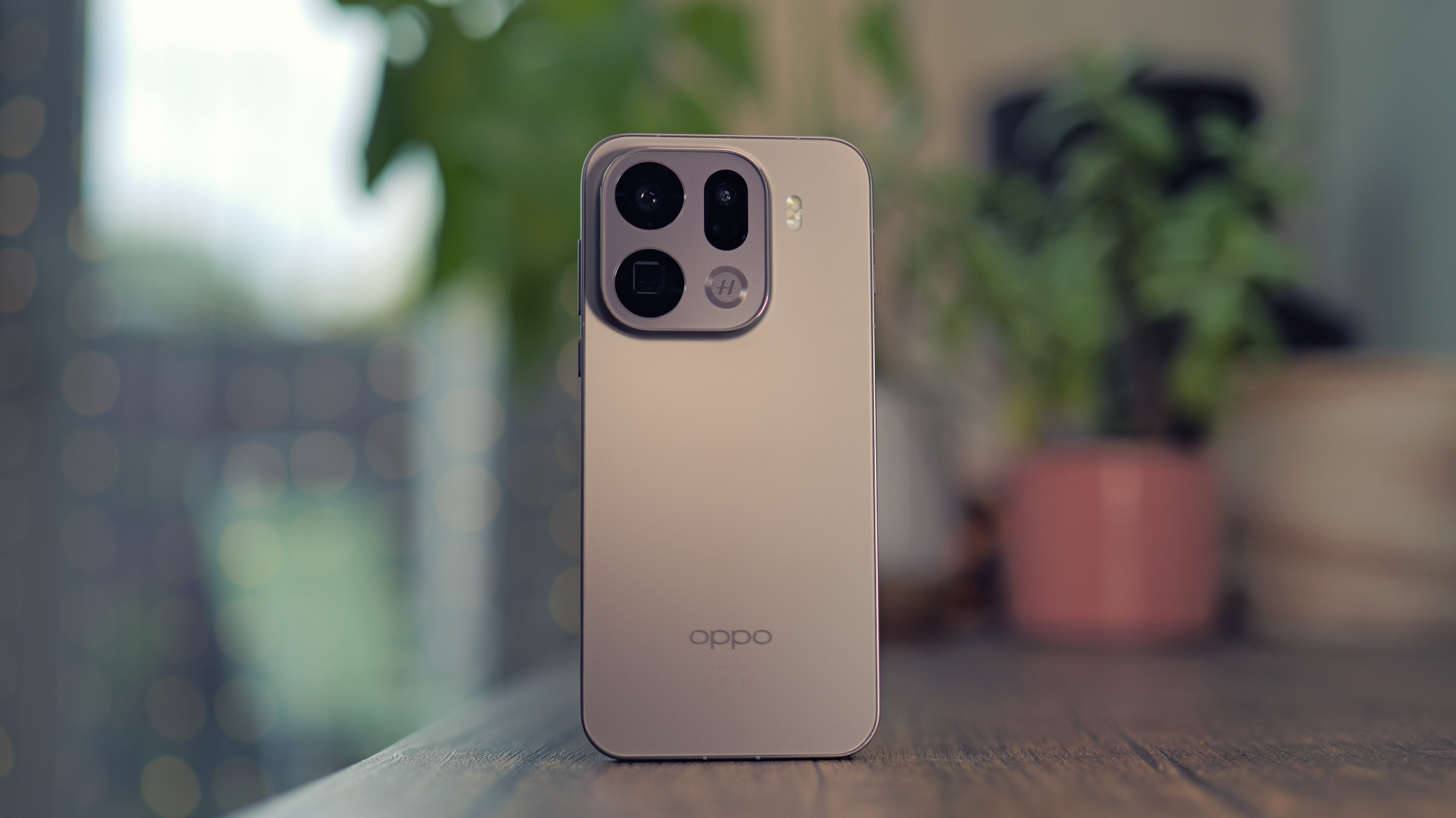
The Find X9 Pro is a stunning all-around phone. If you don’t love the Pixel software experience, Oppo’s latest flagship is your next best bet.
What does it do so well? Pretty much everything. The Find X9 Pro is one of the very few phones with no real weaknesses, unless a five-year Android upgrade promise is problematic.
It sets a new standard for smartphone photography, delivering stunning stills in almost every conceivable scenario. And if you’re willing to buy the optional Hasselblad teleconverter kit, it can deliver zoom photography that surpasses what we previously thought possible.
The phone’s other main highlight is battery life, with a monster 7500mAh cell that delivered the highest-ever score in our usual battery benchmarking test. It can easily be a two-day phone for many people, and if you have a compatible 80W charger, charging is rapid too.
Don’t baulk at the MediaTek Dimensity 9500 chipset, either – performance is every bit as good as the new Snapdragon 8 Elite Gen 5. With a gorgeous 6.7-inch OLED display, top-class build quality and impressively sophisticated software, it’s hard to fault the Find X9 Pro.
Who should buy the Oppo Find X9 Pro?
Anyone looking for the best cameras or the longest battery life of any phone.
Oppo Find X9 Pro: Further Considerations
Look elsewhere for the best software support or a more compact design.
Read our full Oppo Find X9 Pro review
3. Samsung Galaxy S26 Ultra – Best Phone Software
Pros
- Slick software
- Still the best AI tools
- Exclusive Privacy Display
- APV codec and Horizontal Lock video
- Faster charging
Cons
- Minimal upgrades
- S-Pen positioning is irksome
- No Qi2 magnets
- Expensive
Buy a Samsung Galaxy S26 Ultra on iD Mobile with 100GB data for £52.99/month and £29 upfront
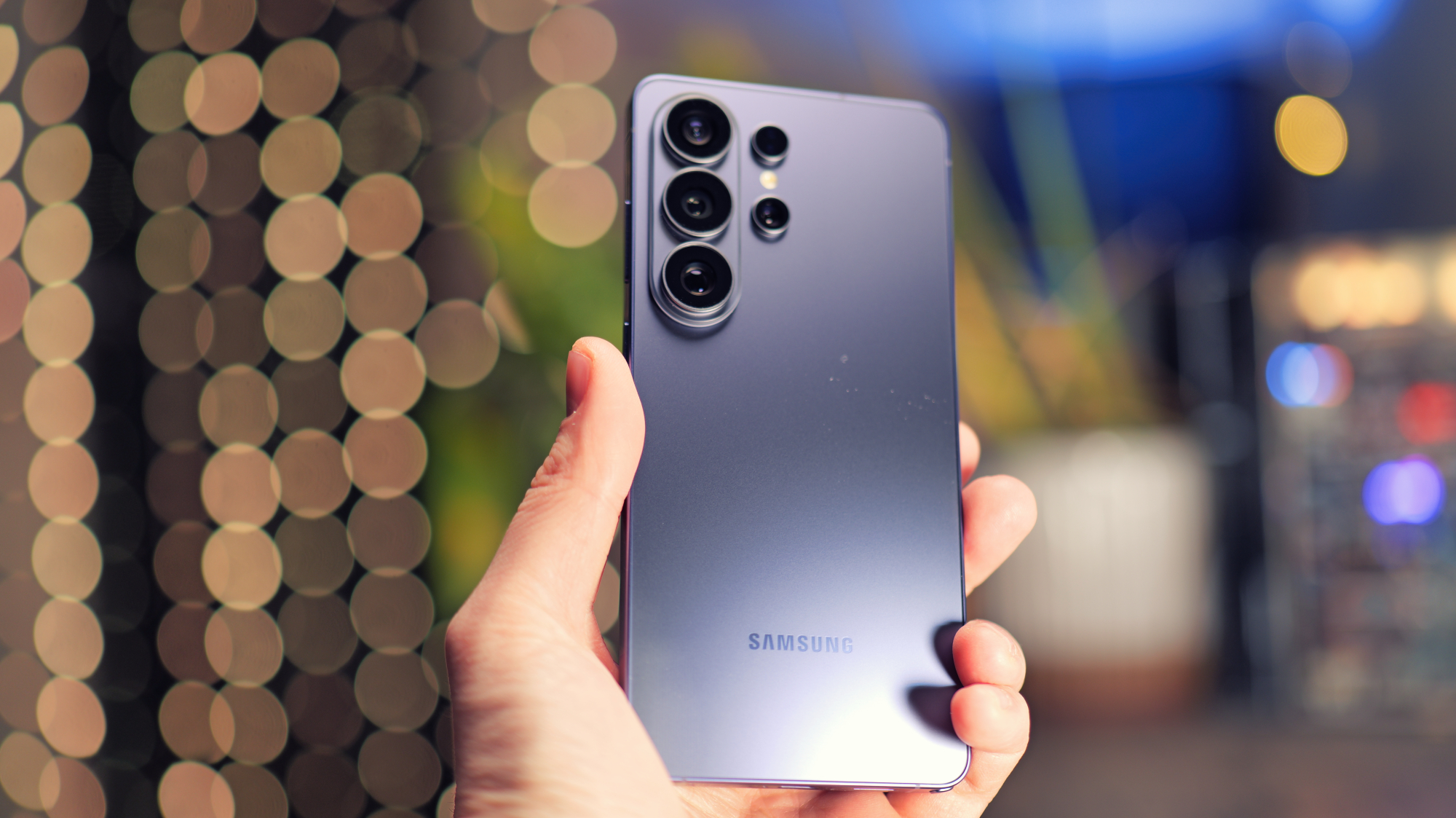
More than ever, Samsung’s flagship phone has never felt quite so at war with itself. There’s no magnetic Qi2 charging, which puts it a touch behind the Pixel 10 and iPhone 17 ranges in this regard, and it’s now more expensive than before, making it even more of an investment for true Samsung diehards. However, even with these setbacks, the Samsung Galaxy S26 Ultra is still one of the best Android phones around and a true joy to use.
The 6.9-inch AMOLED display remains the most alluring feature as it makes streaming a bit of Netflix or Disney+ feel far more cinematic than it does with other phones. Pair that with the powerful stereo speakers onboard and you’re looking at a true entertainment hub. What you won’t be looking at (from a distance) is sensitive information thanks to the all-new Privacy Display feature.
This incredible bit of tech can blackout parts of or the whole screen, hiding personal texts or banking information that you don’t want others around you to see, and it’s a game-changer for making smartphones safer, particularly as we use them for so many applications. There’s also faster charging, with the S26 Ultra able to top up at 60W over a wired charge, and 25W over a wireless connection.
All of this sits on top of Samsung’s incredible One UI architecture, which has only gotten better in recent years, very much standing tall alongside iOS and Google’s stock Android as being some of the best phone software on the market – even Bixby is useful at long last. What gives the S26 Ultra an extra leg up is the infusion of Galaxy AI which runs incredibly well, largely thanks to the super fast (and tailor-made) Snapdragon 8 Elite Gen 5 for Galaxy CPU.
Who should buy the Samsung Galaxy S26 Ultra?
Flagship buyers who want nothing but the best from the latest Android crop, including a world-first privacy display.
Samsung Galaxy S26 Ultra: Further considerations
The S25 Ultra can now be found for a lot less, and it’s very similar.
Read our full Samsung Galaxy S26 Ultra review
4. Apple iPhone 17 – Best iPhone
Pros
- Double the storage
- Excellent screen
- Camera features for socials
- Solid battery life
Cons
- AI features are still hit and miss
- Camera could be improved
Buy an iPhone 17 on iD Mobile with 500GB data for £29.99/month and £149 upfront
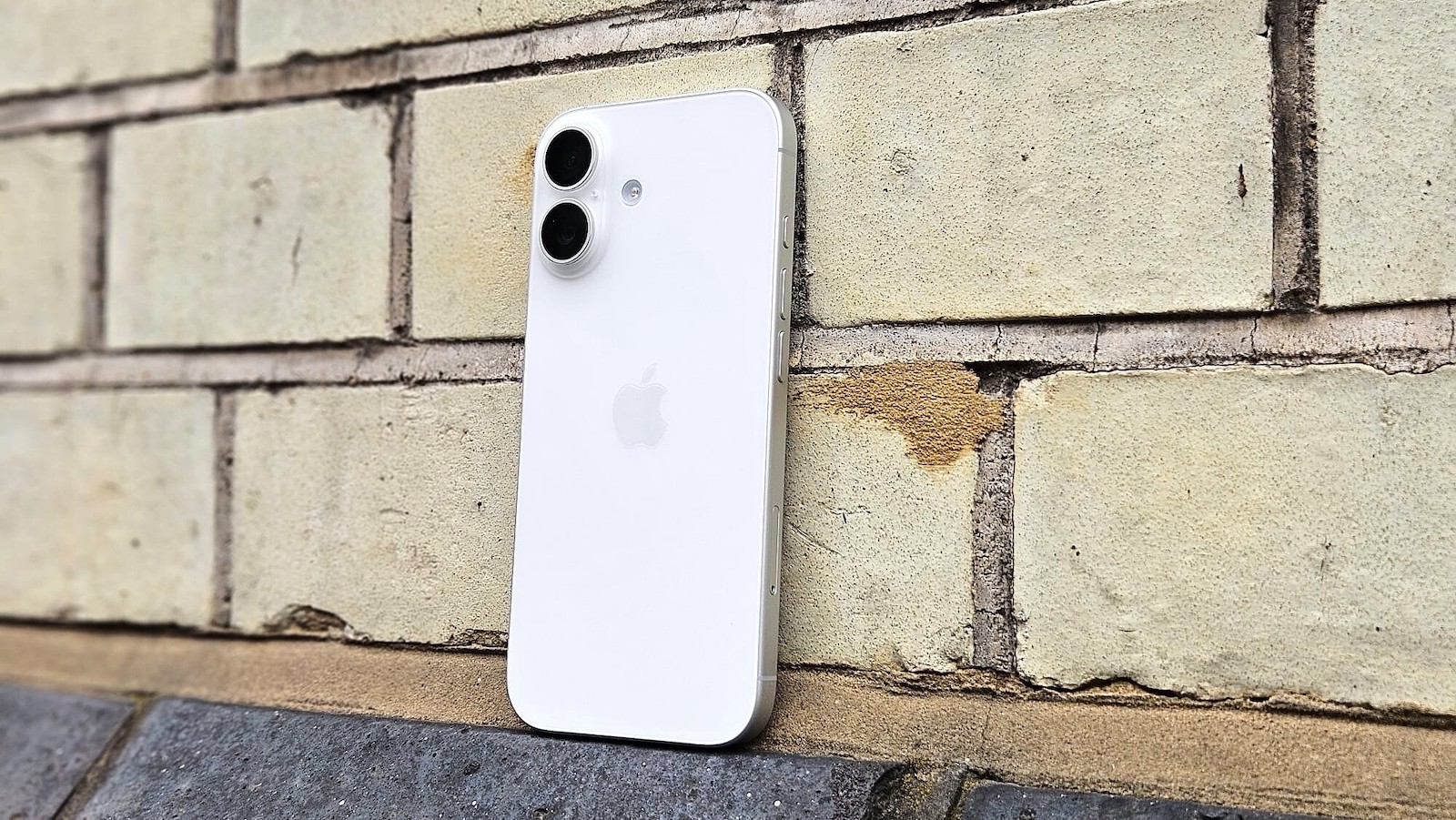
Apple’s shake-up of the iPhone range in 2025 – mainly introducing the Air and a big redesign for the Pros – means choosing isn’t as simple as the last few years.
The ultra-thin Air won’t suit most people’s needs, and the Pro design is more controversial. Plus, those three iPhones are expensive, so this year we think the humble entry-level iPhone 17 is the best model to choose.
It offers the best value of this year’s range as the most broadly appealing design and set of features. As usual, owners of the last model – or perhaps even a 15 – won’t feel the need to upgrade, but if you’re coming from an iPhone 14 or earlier, the jump is huge.
It’s the all-rounder with a great screen that’s compact, smooth performance, respectable battery life (now with faster charging with the right adapter), point and shoot cameras and twice the storage compared to last year for the same price.
Sure, it’s not perfect as Apple Intelligence is still behind the competition and our expectations, and the Camera Control button still needs work, but the iPhone 17 can easily be your reliable daily driver for years to come.
Who should buy the iPhone 17?
You want the best value iPhone from the current generation, which also happens to be the most affordable.
iPhone 17: Further considerations
Similar-priced Android rivals have features like telephoto cameras and better AI.
Read our full Apple iPhone 17 review
5. OnePlus 15 – Best Phone Performance
Pros
- Best-in-class performance
- Great user experience with nice AI additions
- Outlandish battery life
- Super-fast charging
Cons
- Not quite top-tier cameras
- Software support could be longer
- Magnetic accessories require case
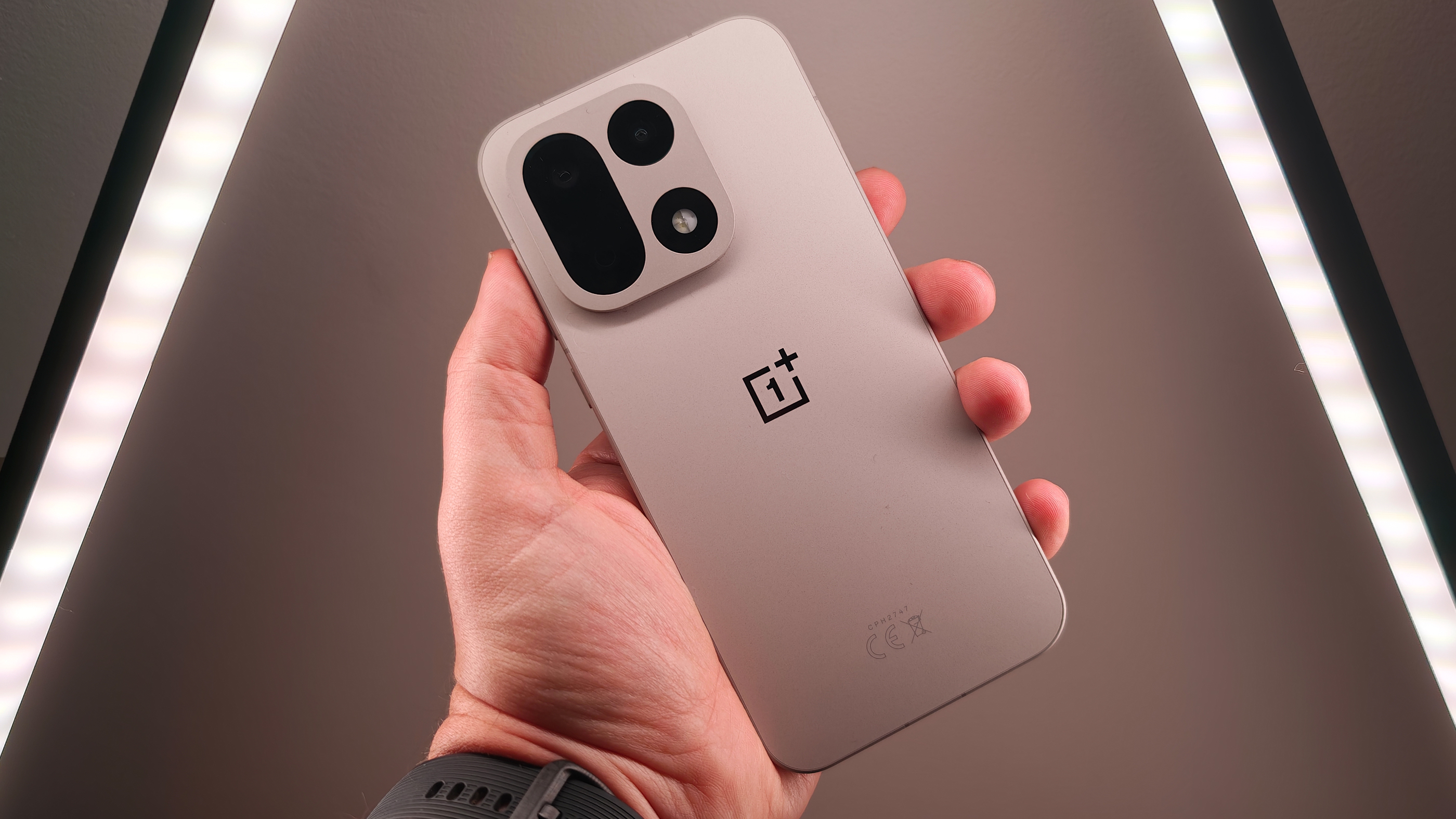
The OnePlus 15 is a bold, exciting upgrade on the OnePlus 13 that gets almost everything right.
Its highlight is the latest Snapdragon 8 Elite Gen 5 under the hood, which delivers staggering performance that no Android phone can match at the time of writing. Elsewhere, an incredible 7300mAh silicon-carbon battery delivers a full two days of battery for almost everyone.
Super-fast 120W wired and 50W wireless charging complement it superbly, even if Qi2 support still relies on a case. The 6.8-inch, 165Hz OLED display is gorgeous, while the new-look design is a real hit. And OnePlus’ OxygenOS 16 software is highly intuitive and packed with useful features, even if software support is a touch shorter than the best around.
Ultimately, whether you buy this phone will hinge on the cameras. Despite some hardware downgrades, the trio of 50Mp rear sensors all deliver very impressive results, albeit with some small weaknesses when compared to the very best camera phones around.
Whether that’s a dealbreaker for you will depend on how high a priority the cameras are. For the vast majority of people, this is an excellent all-rounder that takes performance and battery life to the next level.
Who should buy the OnePlus 15?
You want a phone that’s excellent in just about every department for under a grand with change to spare.
OnePlus 15: Further Considerations
Look elsewhere for the best cameras if that’s really important to you.
Read our full OnePlus 15 review
6. Xiaomi 15 Ultra – Great Camera Phone
Pros
- Incredible camera performance
- Excellent screen
- Solid battery life & fast charging
- Silky performance
Cons
- Some design backsteps
- Not the best Android skin
- Mixed bag of AI features
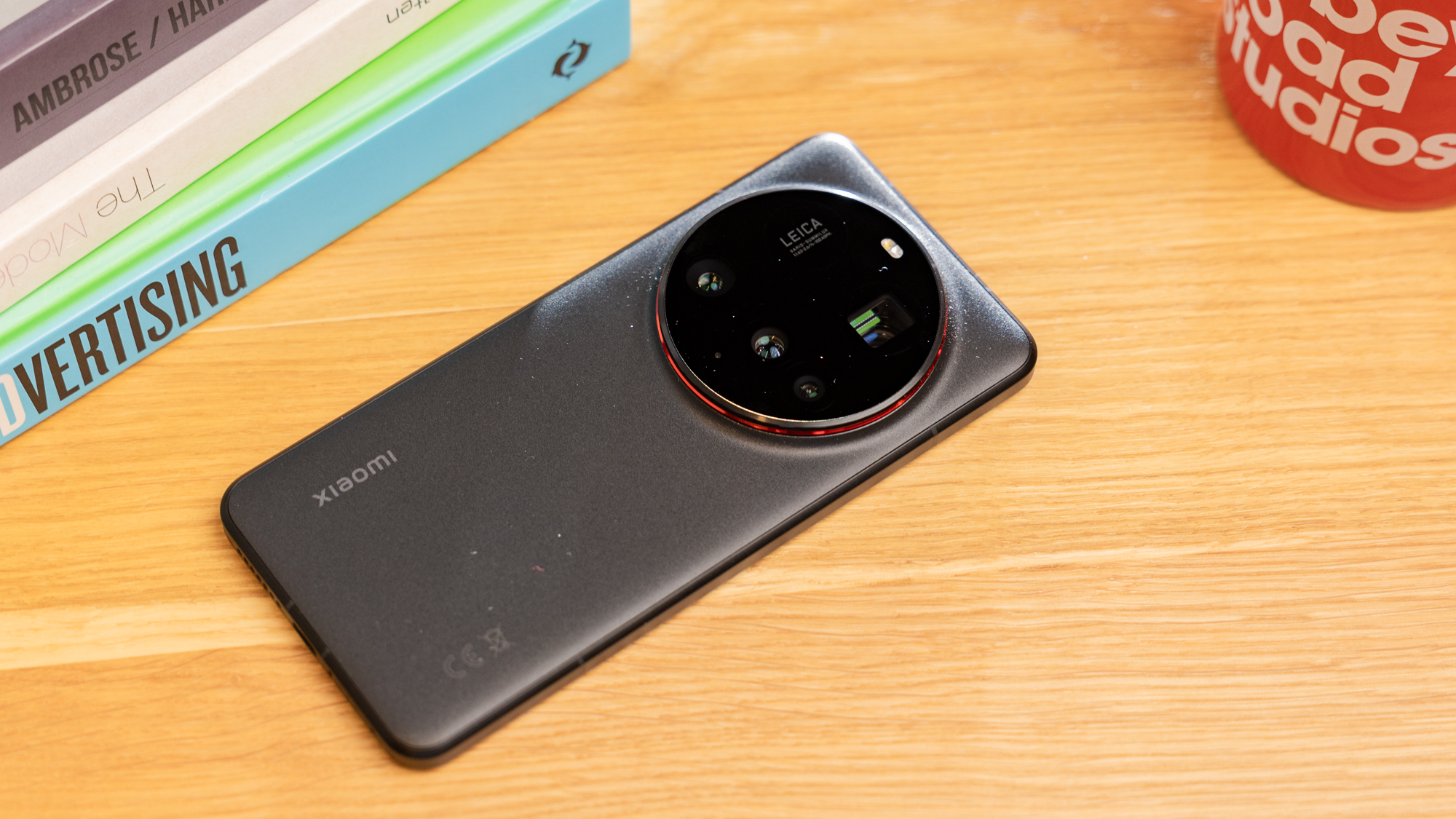
If photography is your top priority, the Xiaomi 15 Ultra is an excellent choice. When it comes to stills, the handset is right up there with the very best.
Alongside a trio of 50Mp lenses (main, ultrawide and 3x telephoto), you also now get a 200Mp periscope with 4.3x optical zoom. That enables some of the best zoom shots you’ll find on any phone, though the loss of variable aperture on the main lens makes it slightly less flexible when the subject is closer.
Still, with the optional Photography Kit accessory, it comes closer to replacing a DSLR than any other handset. A very capable 32Mp selfie camera is the icing on the cake.
However, you won’t be taking photos all the time, so it’s good to know that the Xiaomi 15 Ultra boasts top-tier performance, a gorgeous display and strong battery life (plus 90W fast charging), all with a durable yet chunky design.
Its main drawback is on the software side, where Xiaomi’s HyperOS 2 skin doesn’t feel particularly intuitive, and AI features aren’t always flawless.
Given the high price tag, there are better value options out there, but the Xiaomi 15 Ultra will be worth it for many people who love photography.
Who should buy the Xiaomi 15 Ultra?
You want an excellent camera phone experience and are prepared to buy the Photography Kit, which is sold separately.
Xiaomi 15 Ultra: Further Considerations
Look elsewhere for a better software interface and longer support. A successor in the Xiaomi 17 Ultra is official in China and set to launch globally soon.
Read our full Xiaomi 15 Ultra review
7. Samsung Galaxy S25 FE – Best Mid-Range Phone
Pros
- Flagship design and build
- Strong main and selfie cameras
- Impressive battery life
- One UI is slick and intuitive
- Seven years of updates
Cons
- Supporting cameras could be better
- Occasional software bugs
- Not suitable for demanding gaming
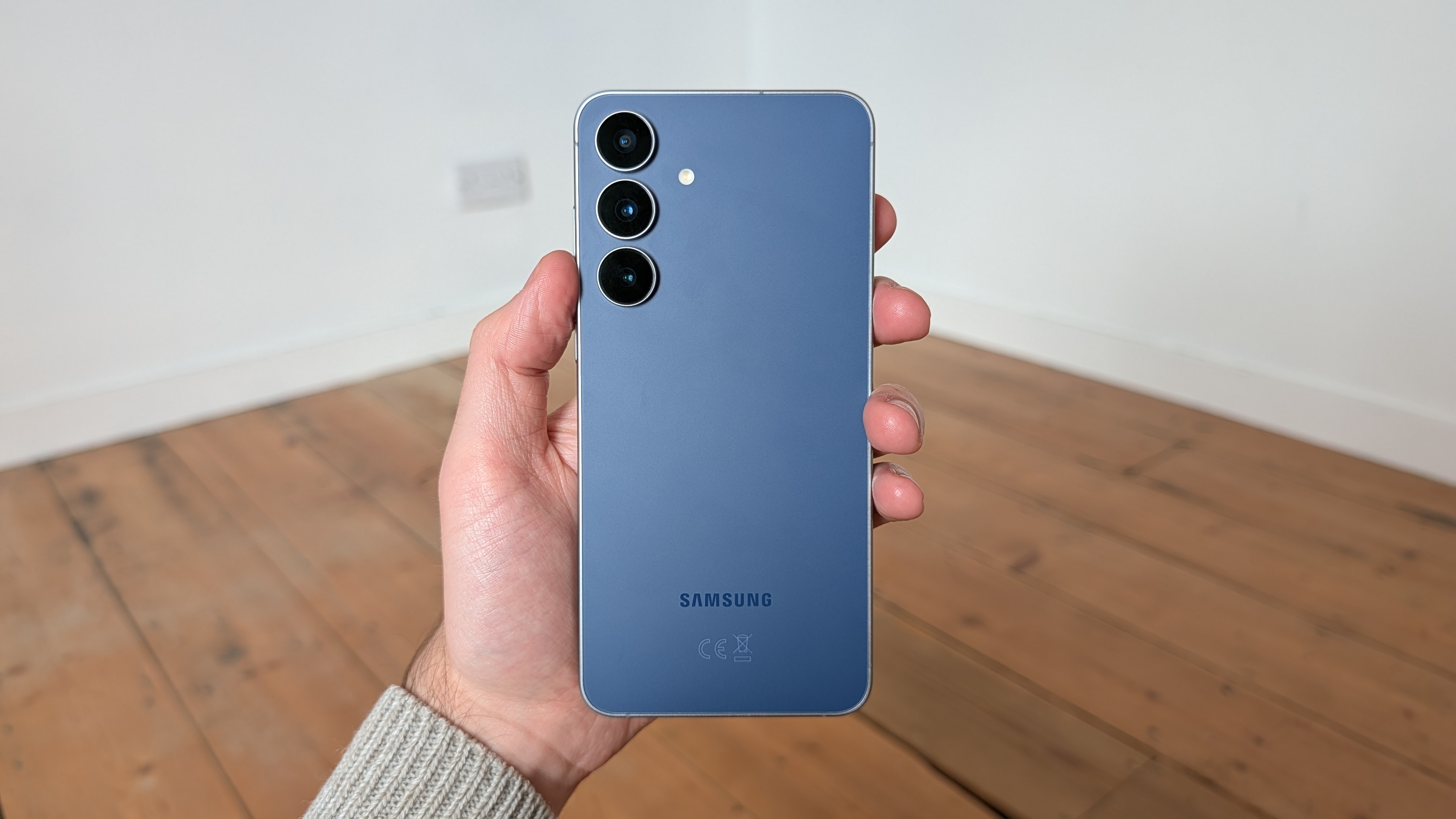
The Galaxy S25 FE is undoubtedly the best phone you can buy for under £700/$700, our upper limit for mid-range handsets.
It offers the premium hardware we’ve come to expect from flagships, with excellent build quality and a gorgeous 6.7-inch display. Its design is almost indistinguishable from the premium Galaxy S25+, including the same excellent main rear and selfie cameras.
With solid performance, strong battery life and 45W charging that’s on par with the S25 Ultra, the S25 FE ticks all the boxes for most people.
But it’s the software where the phone has a clear edge over the competition. One UI 8 is slick, intuitive and packed with useful features, while the seven years of updates are the icing on the cake.
Unless you need great supporting cameras or a device for demanding gaming, the Galaxy S25 FE is the standout option in a crowded mid-range market.
Who should buy the Samsung Galaxy S25 FE?
Anyone who wants the best mid-range phone money can buy, especially if a premium design or great software are important to you.
Samsung Galaxy S25 FE: Further Considerations
Look elsewhere for a more compact design or a more complete photography experience. The Pixel 9a and Xiaomi 15T Pro are alternatives worth considering.
Read our full Samsung Galaxy S25 FE review
8. Apple iPhone 17 Pro Max – Best Premium iPhone
Pros
- Superb display
- Excellent performance
- Fantastic cameras
- Great battery life
Cons
- Design might divide
- Expensive
- Heavy
Buy an iPhone 17 Pro Max on iD Mobile with 100GB data for £44.99/month and £129 upfront
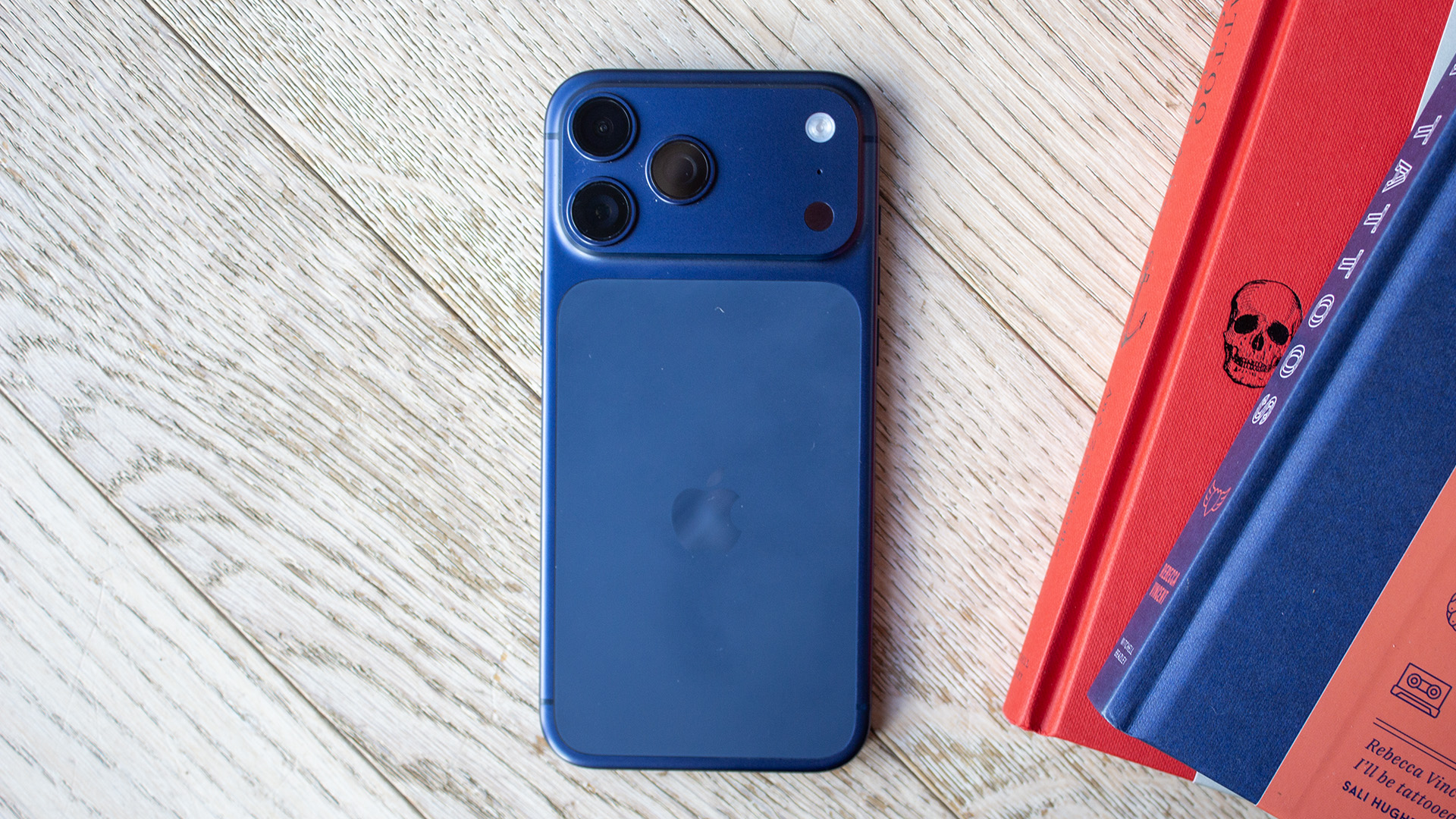
The iPhone 17 Pro Max is the best phone Apple has ever made.
This 6.9-inch behemoth is a force of nature, combining stellar performance with top-class build quality and superb cameras that can rival the best of Android. And while we can’t run the same battery tests, battery life is up there with the very best around.
On the software side, iOS 26 is the most attractive and customisable UI that the iPhone has ever had, while Apple’s commitment to long and prompt software support should never be ignored.
However, the new-look design, complete with a controversial camera plateau, won’t be to everyone’s tastes. It’s also one of the largest and heaviest phones on the market right now.
But if you’re looking for a no-compromise iPhone experience and are willing to pay the premium, it doesn’t get any better than the 17 Pro Max.
Who should buy the Apple iPhone 17 Pro Max?
You want the ultimate iPhone experience and don’t mind paying for it.
Apple iPhone 17 Pro Max: Further Considerations
Look elsewhere if you value a more compact or cheaper device, or something which runs Android, of course.
Read our full Apple iPhone 17 Pro Max review
9. Xiaomi 17 – Best Compact Flagship
Pros
- Excellent performance
- Beautiful display
- Superb battery life
- Super-fast and versatile charging
Cons
- Display could be brighter and dimmer
- Limited telephoto camera performance
- Software support shorter than rivals
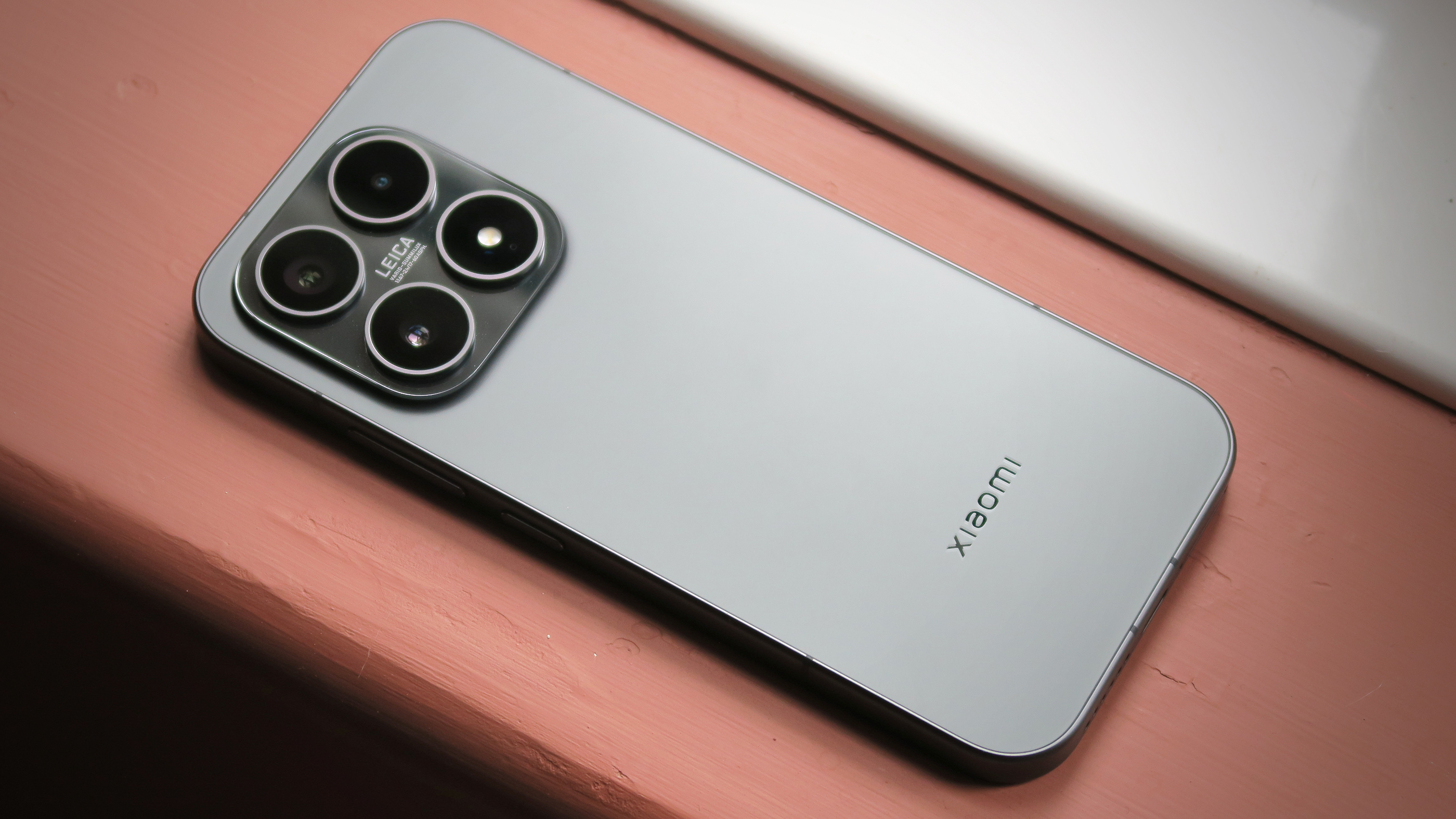
If you’re old enough to remember when the race for mobile dominance seemed to centre around making phones smaller instead of bigger, then you may lament the lack of options nowadays that can be comfortably used one-handed. There are still a few options available, like the Samsung Galaxy S26 and the iPhone 17, but in terms of cramming a true flagship experience into a compact frame, the Xiaomi 17 is the one to beat.
With a 6.3-inch display, you don’t have to contort your hand in order to reach the top of the Xiaomi 17, and that’s great for when you’re on the move or stuck in a busy train carriage. Even with the smaller space, Xiaomi has crammed tons of tech into the panel, with a 1.5K resolution, 120Hz LPTO refresh and 3500 nits of peak brightness. You won’t feel as if you’re missing out compared to what the larger handsets can provide.
With the Snapdragon 8 Elite Gen 5 chipset onboard, you’re looking at top-of-the-line performance. Although the previous generation Snapdragon 8 Elite CPU was hardly a letdown, everything just feels that bit smoother here which makes gaming feel fluid and engaging. We had trouble hopping out of Call of Duty Mobile during our gaming test, just because of how much fun it is to play on the Xiaomi 17.
Cameras are mostly solid and battery life also outdoes expectations as the 6330mAh cell can still have plenty left in the tank at the end of a long day, and it can be topped up quickly via 100W wired and 50W wireless charging. It’s a shame that for a phone as pricey as this, you’re only getting five years of OS updates which pales in comparison to even cheaper phones offered by Samsung and Google.
Who should buy the Xiaomi 17?
Fans of compact phones who still want flagship-level specs in a condensed form factor.
Xiaomi 17: Further considerations
Long-term software support is slightly behind Samsung, Apple and Google.
Read our full Xiaomi 17 review
10. CMF Phone 2 Pro – Best Budget Phone
Pros
- Impressive cameras
- Excellent display
- Strong performance
- Excellent value for money
Cons
- Only IP54 rated
- Longer software support elsewhere
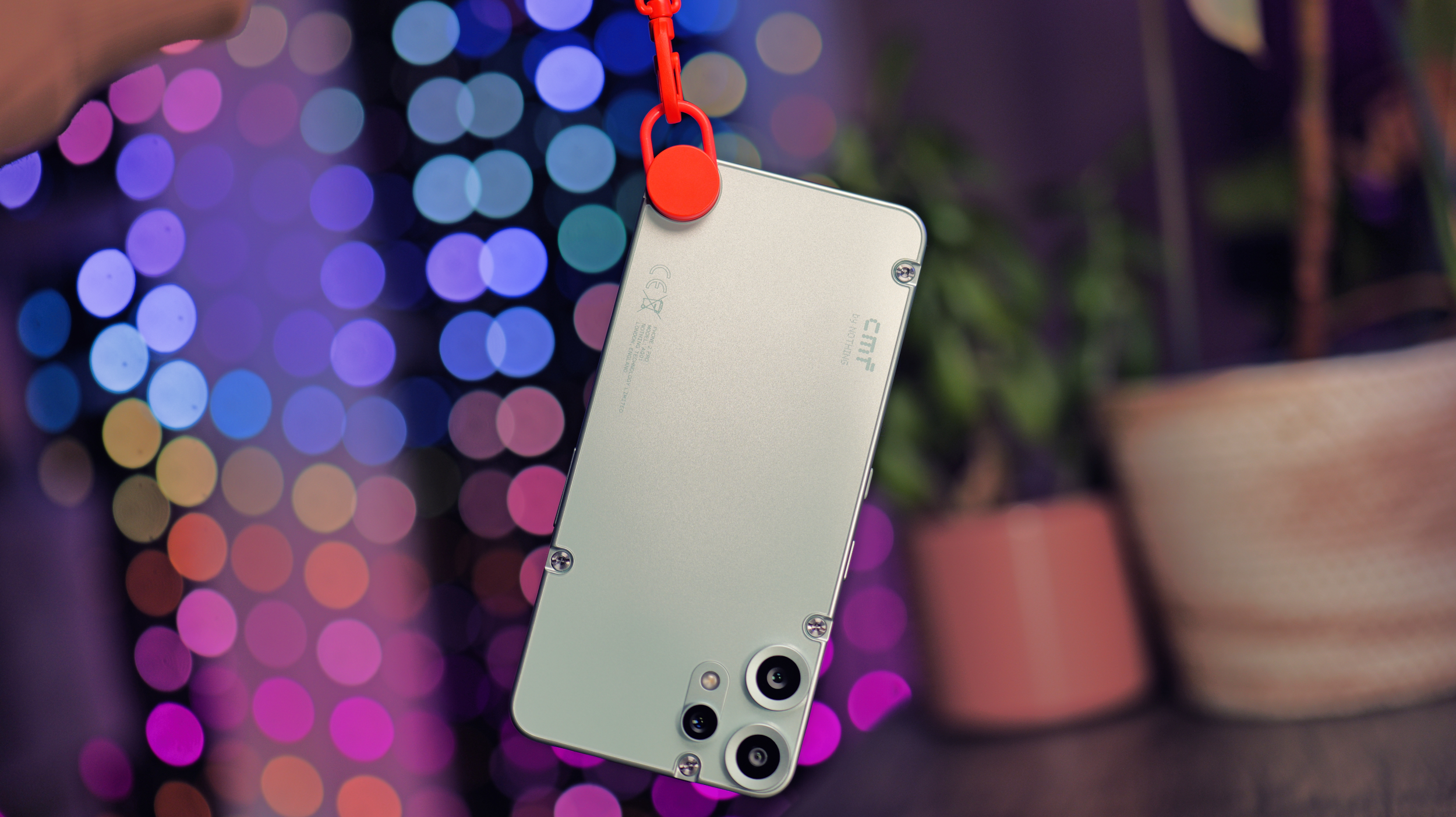
Nothing sub-brand CMF’s second phone might adopt the ‘Pro’ name, but it’s still very much a budget phone. And with a starting price of just £219/$279 (you get more storage in the US), you won’t find a better handset for the money.
What makes the Phone 2 Pro so special? Essentially, it takes most of what made the CMF Phone 1 so good and makes it significantly better, in exchange for only a small price increase.
We’re talking two brand-new camera sensors, with the main lens also getting significantly better. For the price, you can expect some of the best photos around.
Add that to a brighter, more accurate display, a nice performance boost and the all-important NFC that was missing from the original (enabling contactless payments), and the Phone 2 Pro has a lot going for it.
The standout, customisable design remains, as does Nothing’s user-friendly take on Android. The three years of OS updates are a little underwhelming, and you don’t get full water or dust resistance, but the CMF Phone 2 Pro undoubtedly has a lot going for it.
Who should buy the CMF Phone 2 Pro?
You want an amazing phone for around four times cheaper than many flagships.
CMF Phone 2 Pro: Further Considerations
Look elsewhere for a more traditional and more durable design, or longer software support.
Read our full CMF Phone 2 Pro review
Other phones tested
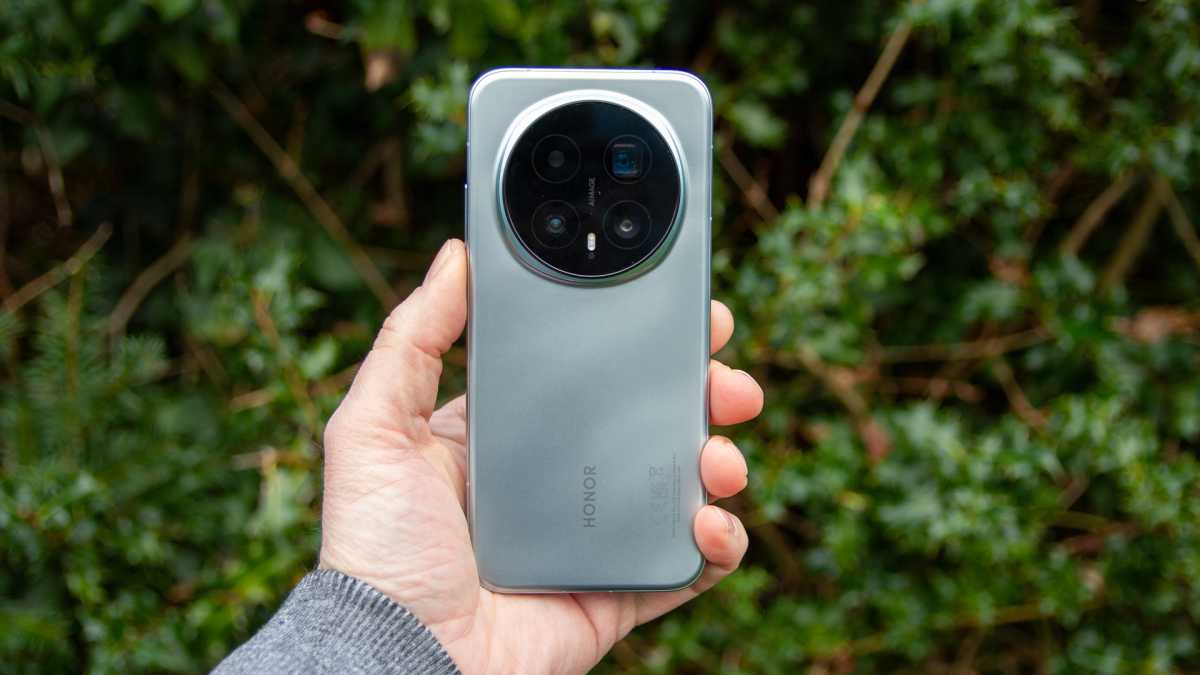
Although the phones featured above are the current cream of the crop, they are just a handful of the devices that we review, many of which are still excellent but just miss out on making the cut. The Honor Magic 8 Pro (below) is one such example, as it has one of the best phone displays around with 6,000 nits of peak brightness, but can’t quite match Xiaomi when it comes to camera prowess.
The Motorola Signature is another example for those looking to upgrade within the Android space, as it’s one of the thinnest phones on the market. Unlike the Galaxy S25 Edge, which was a bit of a dud, the Signature backs up its 6.99mm thin build with heavy-duty IP68/69 water and dust resistance, and a surprisingly competent triple-camera array.
You may have noticed that there are no flip phones on this list, but that’s because we have an entirely separate guide dedicated to the best foldable phones. Still, if you are on the lookout for some dual-display functionality, then the Samsung Galaxy Z Fold 7 is easily one of the best you can buy, with a much slimmer design than its predecessor and capable Android software.
Other phones to consider:
- Samsung Galaxy S25 Ultra
- Nothing Phone (3a)
- Samsung Galaxy Z Flip 7
- Motorola Razr 60 Ultra
- Nothing Phone (3)
- OnePlus Nord 5
- Sony Xperia 1 VII
Chris Hall / Foundry
Phone news that could affect your buying decision
With the vast majority of phones typically replaced with a newer model every 12 months, and many contracts today lasting 24-36 months, deciding whether to buy now or wait for the next generation is always a tough decision. Ultimately, it is a personal choice that is going to be affected by what you can afford and when, but it’s good to know you’re not going to regret your decision almost immediately.
There aren’t any major phone releases in the immediate future as we’ve just had the global launch for the Xiaomi 17 range, the Samsung Galaxy S26 handsets, the Pixel 10a and the iPhone 17e. If anything, this is now a good time to start looking at the predecessors to those phones as they’ll start to massively come down in price as retailers look to get rid of excess stock.
Luke Baker
Further down the line, we’ve got the Honor Magic V6 and the Samsung Galaxy Z Fold 8/Flip 8 to look forward to, but it’ll be a while before those phones surface, so you won’t have to worry about them at this point in time.
Can I get a better phone deal?
The prices displayed in our list of the best phones are updated daily, making sure you always see the top phone deals. Our recommendations are based on design, performance and typical value, among other things, but with retailer and mobile operator prices changing daily, we cannot factor in deals in the same way. Remember that a great deal could make a phone that appears lower down this list more attractive than one that sits at the top.
Black Friday isn’t until November 2026, but plenty of deals remain all year round. If you’re looking for a dedicated event, Amazon’s ‘Spring Deal Days’ is likely to return in March, though, unlike events later in the year, it usually doesn’t require a Prime membership to access the offers.
Another way to get a great deal is to consider buying a refurbished phone. Not only will you get it cheaper, but it’s also more eco-friendly. We have a regularly updated round-up of the best refurbished phone deals you should check out.
You might also want to consider leasing your phone (and other tech) via a service like Raylo. This option comes with many benefits for the right person.
How we test phones
The only way to properly test a phone is to use it as our own. So that’s exactly what we do, putting in our personal SIM and using the handset around the clock for at least a week, and very often longer. This in-depth testing tells us what it’s like to use the phone in the real world, from a user perspective, giving us insight into all features from the camera through to battery life. We pair this hands-on knowledge with traditional benchmarks to ensure we have comparable scores.
Read more about how we test smartphones.
Why you should trust Tech Advisor for phone reviews and buying advice
Smartphones have been a core part of Tech Advisor’s coverage since the first iPhone was released in 2007 and Android made headlines in 2008. Since then, we’ve been guiding you through the fascinating and fast-paced rise of modern mobile phones, including the launch of 5G and the comings and goings of Windows Phone, Blackberry and brands like LG. We are testing new phones on a weekly basis and reviewing just about every model that comes to market. Our expert in-house team and contributors have many decades of combined experience.
Who curated this article?
Our full-time Mobile Editor, Anyron, is the lead on this list of the best phones. He spends almost all his time testing, reviewing and writing about phones and is often among the first in the world to get hold of the latest models. Our Reviews Editor, Chris, who has been testing phones for 15 years, provides assistance.
How to choose the best phone
When choosing a phone, you should consider these things: build quality and design, display, performance, cameras, battery life, software (do you want an Android phone or an iPhone?) and value for money.
Generally speaking, a premium phone in 2026 will start at around £700/$700, but can cost over $1,000/£1,000 in some cases.
If you’re buying that phone on a contract, you’re generally looking at between £30 and £50 per month on average in the UK, but you can spend a lot more if you want an expensive phone and lots of mobile data. In the US, you can often find very good contract deals on phones, typically better than in the UK and Europe.
It’s worth noting that while this list highlights the best smartphones available right now, that doesn’t explicitly mean flagships (even though they do feature heavily here). There are entries that cross over with our mid-range and budget phone round-ups, too, but earn their place here based on their extraordinary value.
Buying a phone outright will usually give you the best value, but we appreciate that finances in the real world don’t always accommodate such big one-off purchases. If you can afford to buy the phone outright, you’ll obviously also need to factor in the cost of the plan.
FAQ
Should I buy an iPhone or an Android phone?
There are a few mobile operating systems, but really only two worth talking about: Android and iOS.
The vast majority of modern phones run Android. Android 16 is available now, but a full rollout to all compatible devices is expected to take several months, so don’t worry if you end up buying an Android 15 handset in the meantime.
All supported Apple handsets are now compatible with iOS 26. While it may have a lower market share, developers almost always release their apps on iOS first. As a result of this approach, it arguably offers a smoother app experience.
If you have an Android phone or iPhone and want to move to a phone running the other OS (operating system), it’s fairly easy to transfer your contacts and other select data from one to the other.
What you can’t move are paid-for apps and certain app data, so keep this in mind if you’re considering a change of platform – and research any specific concerns you may have about the process.
Should I buy an unlocked phone?
An unlocked phone is not tied to any particular mobile network operator. Buying ‘unlocked’ usually means buying the phone outright without a SIM card or contract attached.
The most important point is that an unlocked phone is almost always a better deal than buying a phone on contract, as long as you can afford it.
The only real exception to this is Apple’s iPhones. Because of their traditional popularity, operators often subsidise the cost of buying an iPhone in order to lock you into a lucrative long-term deal.
Generally speaking, if you can afford the upfront cost of the handset, you will pay less over the life of your phone by buying unlocked.
More importantly, you are not locked into a lengthy contract. If you want a new handset at any time, you can buy one without having to pay your way out of the contract or commit to another two years.
Just be sure to make certain the phone you’re getting is not locked to a certain network. All phones sold in the UK since December 2021 must be unlocked.
Which SIM or mobile plan should I get?
One other thing to consider is the size and shape of the SIM required for your phone. Make sure you get a nano-SIM if a nano-SIM is what your phone requires.
For the record, every phone in this list takes a nano-SIM, aside from some iPhone models in the US, which use eSIM. In the UK, the iPhone Air is the only eSIM-only handset.
But for most people, it’s best to stick with a physical SIM card for now. Most networks send you a SIM card in three different sizes, so you can just pop out the one you need.
If you’re looking for a SIM-free or unlocked phone, you probably already have a SIM card you’d like to use.
4G connectivity is still fine for most people. But if you want 5G, make sure both the phone and the SIM support it.
What is the best Android phone?
Tech Advisor recommends the Google Pixel 10 Pro XL as the best phone available today. It’s a superb phone with no real weaknesses, excelling when it comes to both hardware and software.
A close second best is the Oppo Find X9 Pro, which excels with its advanced cameras and incredible battery life. Meanwhile, the Samsung Galaxy S26 Ultra isn’t far behind in third place, with its innovative Privacy Display and built-in stylus making it ideal for productivity.
However, the five other Android phones in this article are all worth considering, especially if you’re looking for something more affordable.
What is the best iPhone?
Tech Advisor recommends the iPhone 17 as Apple’s top mobile phone. It delivers a fantastic core experience, including great cameras, a gorgeous screen, strong performance and solid battery life, for a fraction of the cost of Pro models.
However, the iPhone 17 Pro offers a more advanced camera system, while the iPhone 17 Pro Max delivers the most premium experience possible. And when it comes to a thin and light phone, the iPhone Air is unmatched.
If you’re looking for something cheaper, consider something from the iPhone 16 series or a refurbished phone. We wouldn’t recommend buying the iPhone 16e (our 17e review is coming very soon).
Author: Anyron Copeman, Mobile Editor, Tech Advisor

Anyron is Mobile Editor at Tech Advisor, where he’s been a mainstay of the editorial team since 2019. In his current role, Anyron is responsible for all smartphone, tablet and mobile network coverage on the site. A BA Journalism graduate, he has experience with a wide range of consumer tech products and services, including smartphones, tablets, foldables, wearables and more.