
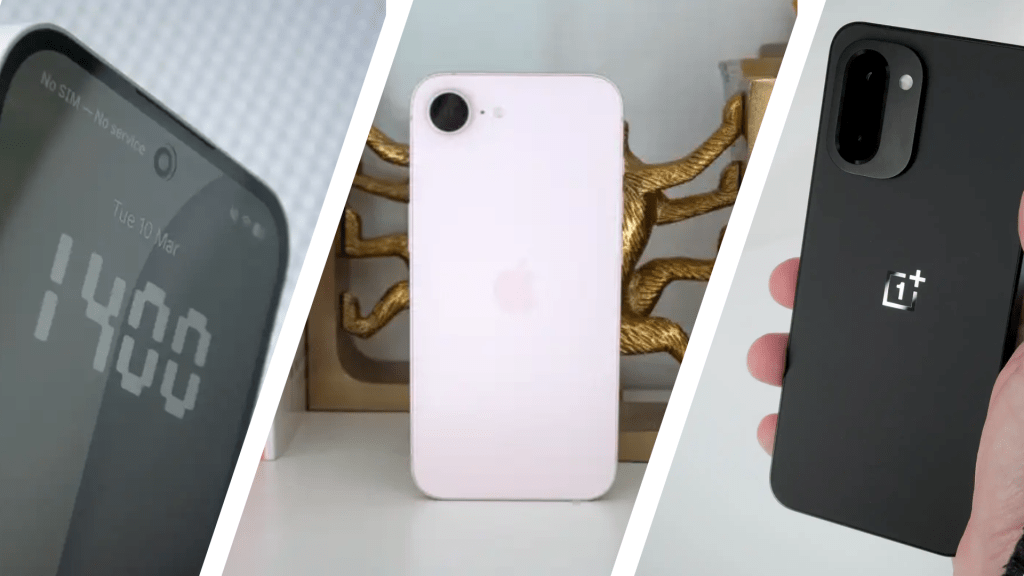

2026 is in full swing, and it’s already turning out to be a solid year for more affordable handsets.
While the very best phones you can buy often dominate the conversation, it’s their cheaper siblings that are a more realistic option for most people. In particular, top mid-range phones expertly balance price and premium features to offer an impressively well-rounded experience.
At Tech Advisor, we define a mid-range phone as costing between £300/$300 and £700/$700 when bought outright at launch. That’s a wide range, and means hundreds of handsets fit the bill.
Of course, deciding which to buy can be a very difficult task, and one we’re here to help you with. We perform in-depth testing on every mid-range phone worth shouting about, ensuring we know which handsets stack up to their claims.
With only 10 spots available, only the finest handsets make the grade. If you’re looking for alternatives, check out the ‘Other mid-range phones tested’ section towards the bottom of the page.
Shopping on an even tighter budget? Our best budget phones guide is the one for you.
Best mid-range phone reviews
1. Samsung Galaxy S25 FE – Best Overall
Pros
- Flagship design and build
- Strong main and selfie cameras
- Impressive battery life
- One UI is slick and intuitive
- Seven years of updates
Cons
- Supporting cameras could be better
- Charging still only 45W
- Qi2 wireless charging needs a case

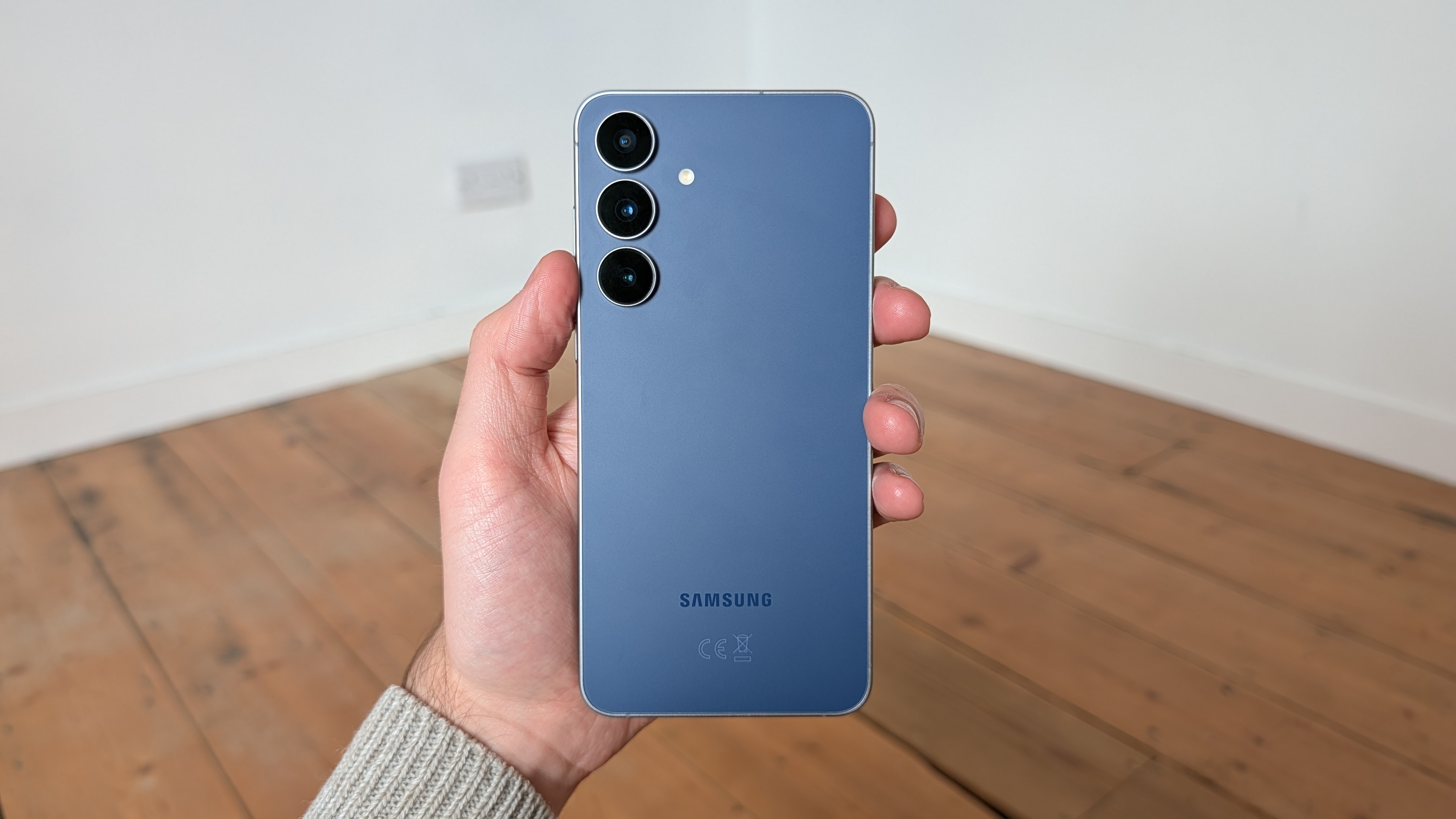
After years of underwhelming Fan Edition phones, Samsung has finally nailed it with the S25 FE. Essentially, it takes nearly everything that made the flagship Galaxy S25+ so good and drops the price into mid-range territory.
There are some compromises, most notably in the supporting cameras, but the main and selfie lenses are good enough that you can ignore them. The excellent build quality, gorgeous 6.7-inch display and top-class Snapdragon 8 Elite performance speak for themselves, while the 5000mAh battery won’t let you down.
Samsung also continues to excel on the software side, with One UI 8 its best effort yet. Alongside seven years of software, it’s a key reason to buy the phone over rivals.
The Galaxy S25 FE isn’t the best value mid-ranger by any means. But if your budget is £700/$700, there’s no better option right now.
Who should buy the Samsung Galaxy S25 FE?
Anyone who wants the absolute best mid-range phone and doesn’t mind paying close to the limit.
Samsung Galaxy S25 FE : Further considerations
Look elsewhere if you want the best value mid-range phone or need a versatile camera system.
Read our full Samsung Galaxy S25 FE review
2. Google Pixel 9a – Best Software
Pros
- Attractive display
- Strong main and selfie cameras
- Excellent software
- Seven years of updates
Cons
- No telephoto camera
- Slow charging
- Polarising design
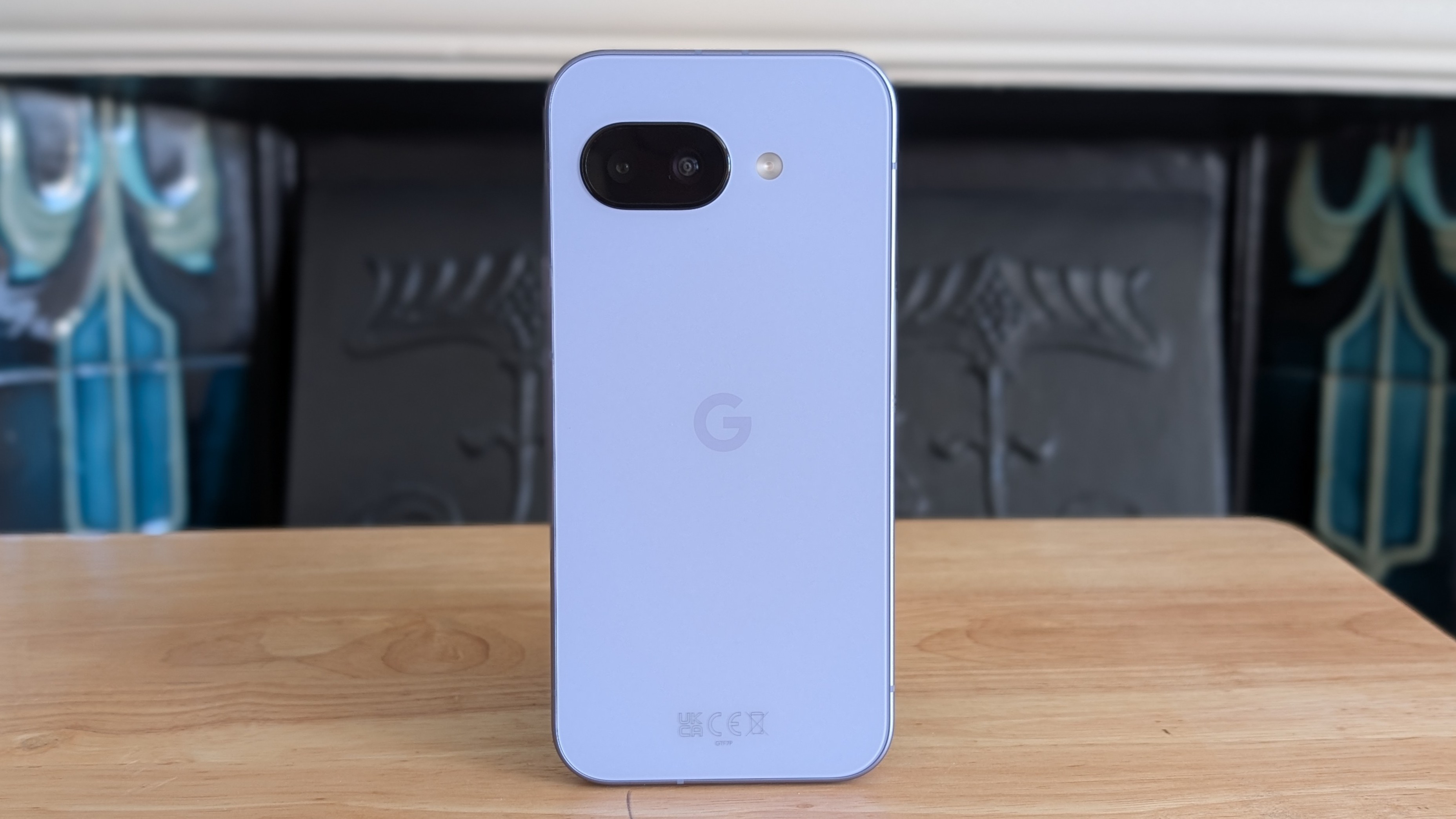
The Pixel 9a is far from being a perfect phone, but it is very easy to recommend – even with the arrival of the Pixel 10a. If you want a no-frills mid-range phone experience that will serve you well for many years, this is it.
That’s not to say it doesn’t have any standout features, though. The 6.3-inch P-OLED display is excellent, especially with that silky-smooth 120Hz refresh. Opting for the same Tensor G4 chipset as the flagship Pixel 9 phones means performance is excellent too.
And in the 48Mp main lens, you’ve got a superb camera for point-and-shoot photography. The 13Mp selfie sensor is impressive too, while the 13Mp ultrawide can hold its own. It’s just a shame there’s no telephoto lens for proper zoom photography.
But the Pixel 9a is arguably even more impressive on the software side. Slick Android 15 software is backed by a class-leading seven years of updates and useful AI features, even if you don’t get the full set here. Pixel phones are also first in line to get Android 16 and future major versions when they arrive.
While battery life is decent, slow 23W wired charging is probably the biggest disappointment, while the nondescript design won’t be for everyone. But if you just want a solid mid-range phone that handles almost all the fundamentals well, the Pixel 9a is the handset for you.
Who should buy the Google Pixel 9a?
Anyone looking for a no-fuss mid-range phone that gets all the basics right, or anyone who doesn’t want to compromise on photos from the main camera.
Google Pixel 9a: Further considerations
Look elsewhere if you care about zoom photography or fast charging.
Read our full Google Pixel 9a review
3. Nothing Phone (4a) – Best Value
Pros
- Iconic Nothing design
- Great display
- Ad-free Nothing OS user experience
- Excellent cameras for the price
Cons
- A little chunky
- Minimal performance gains
- Software support could be longer
- Loses Glyph Fill Light in camera
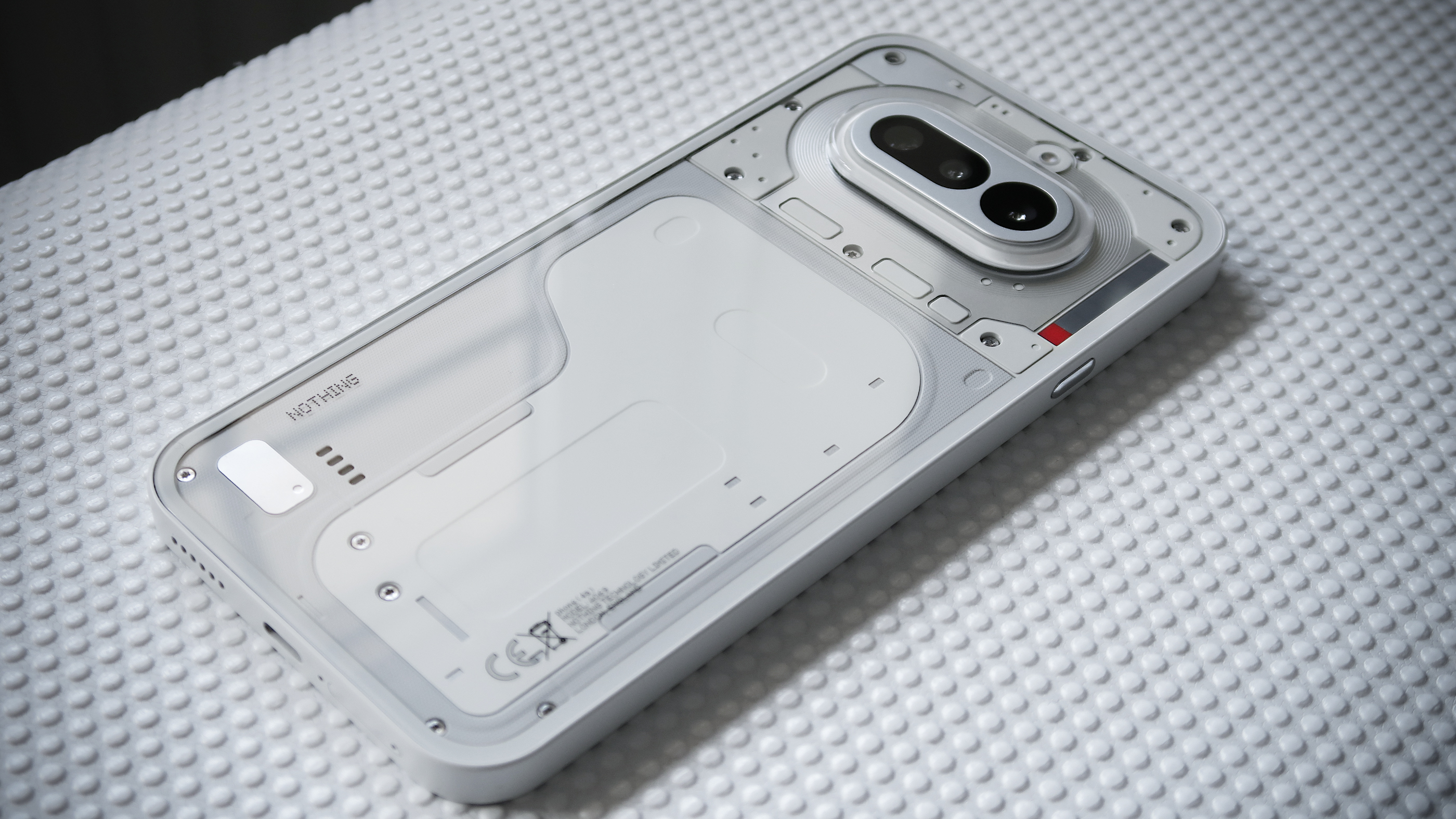
Easily one of the most exciting brands currently operating in this space, Nothing continues to push the boundaries of what we can expect from mid-range devices with the Nothing Phone (4a). Unlike a lot of cheaper phones, the (4a) is immediately striking, and although it isn’t a major overhaul from the equally brilliant Nothing Phone (3a), there’s still a lot to like.
On the back, Nothing has revised its usual look to be a bit more streamlined than before. Instead of the mechanical styling of its predecessor, the Phone (4a) looks almost space-age, and the Glyph Lights system has been condensed into a Glyph Bar comprised of seven blocks. The blocks will flash to indicate various notifications and the single red block at the bottom can be a useful indicator to let people know when you’re recording video.
The display is now much easier on the eyes as it’s a larger 6.83-inch panel, peaking at 4500 nits of brightness and offering a resolution of 1.5K. It’s a joy to look at, and it’s only made better by how striking the composition of Nothing OS continues to be. Nothing’s software is right up there with the likes of Apple, Google and OnePlus in terms of offering an uncluttered experience that’s dripping with sophistication.
The upgraded main camera does a great job of capturing colour in a way that doesn’t feel saturated, although it would be nice if the phone offered greater control when it comes to managing bokeh intensity in photos. We would have liked to see more of a performance leap as the Snapdragon 7s Gen 4 doesn’t go far enough, but given all you get elsewhere with this device, the Nothing Phone (4a) presents a very compelling package.
Who should buy the Nothing Phone (4a)?
Anyone who thinks that modern phones look too homogeneous.
Nothing Phone (4a): Further considerations?
The device is beaten by Samsung, Apple and Google for long-term software support.
Read our full Nothing Phone (4a) review
4. OnePlus 15R – Best Performance
Pros
- Excellent performance
- Great user experience with nice AI additions
- Monster battery life
- Super-fast charging
Cons
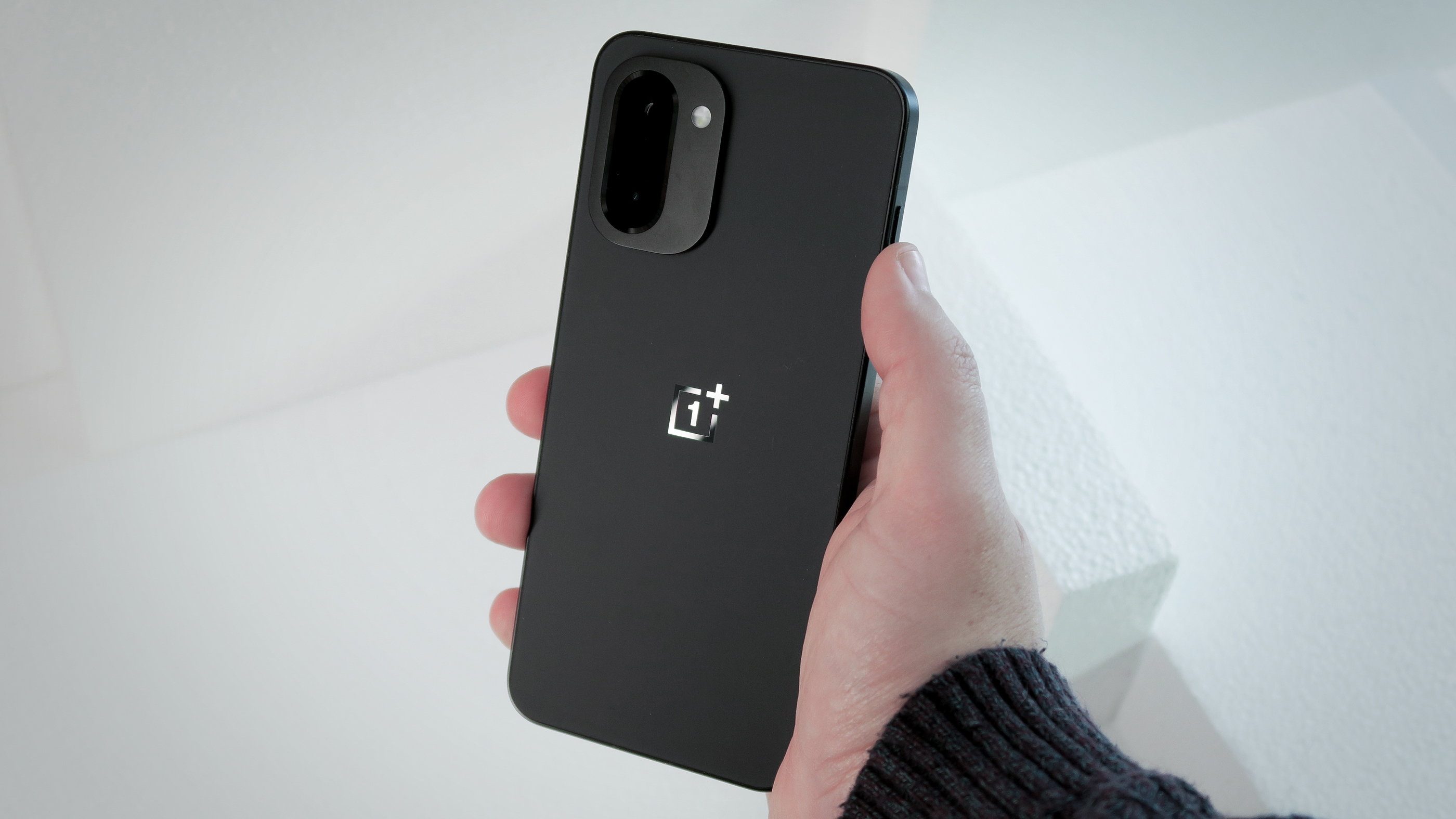
- Downgraded design
- No telephoto camera
- Software support could be longer
- No wireless charging
The OnePlus 15R is a clear downgrade compared to the flagship OnePlus 15, but it remains a compelling phone that offers impressive value for money.
Its headlining features – stunning Snapdragon 8 Gen 5 performance and incredible battery life from the 7400mAh silicon-carbon cell – clearly elevate it above most mid-range rivals. Add in rapid 80W charging, a strong main camera (the same sensor as the 15) and OnePlus’ signature software experience, and it becomes an easy recommendation.
However, there are key compromises to be aware of, most notably in the removal of its predecessor’s telephoto lens and a less distinctive design, which will be viewed by many as a downgrade. There’s also no wireless charging.
But if you care about the fundamentals of a great mid-range phone and are willing to accept some trade-offs, the OnePlus 15R is a fine choice.
Who should buy the OnePlus 15R?
Anyone who wants the absolute best performance on a mid-range phone or excellent battery life.
OnePlus 15R: Further considerations
Look elsewhere if you need wireless charging or the versatility offered by a dedicated telephoto camera.
Read our full OnePlus 15R review
5. Xiaomi 15T Pro – Best Hardware
Pros
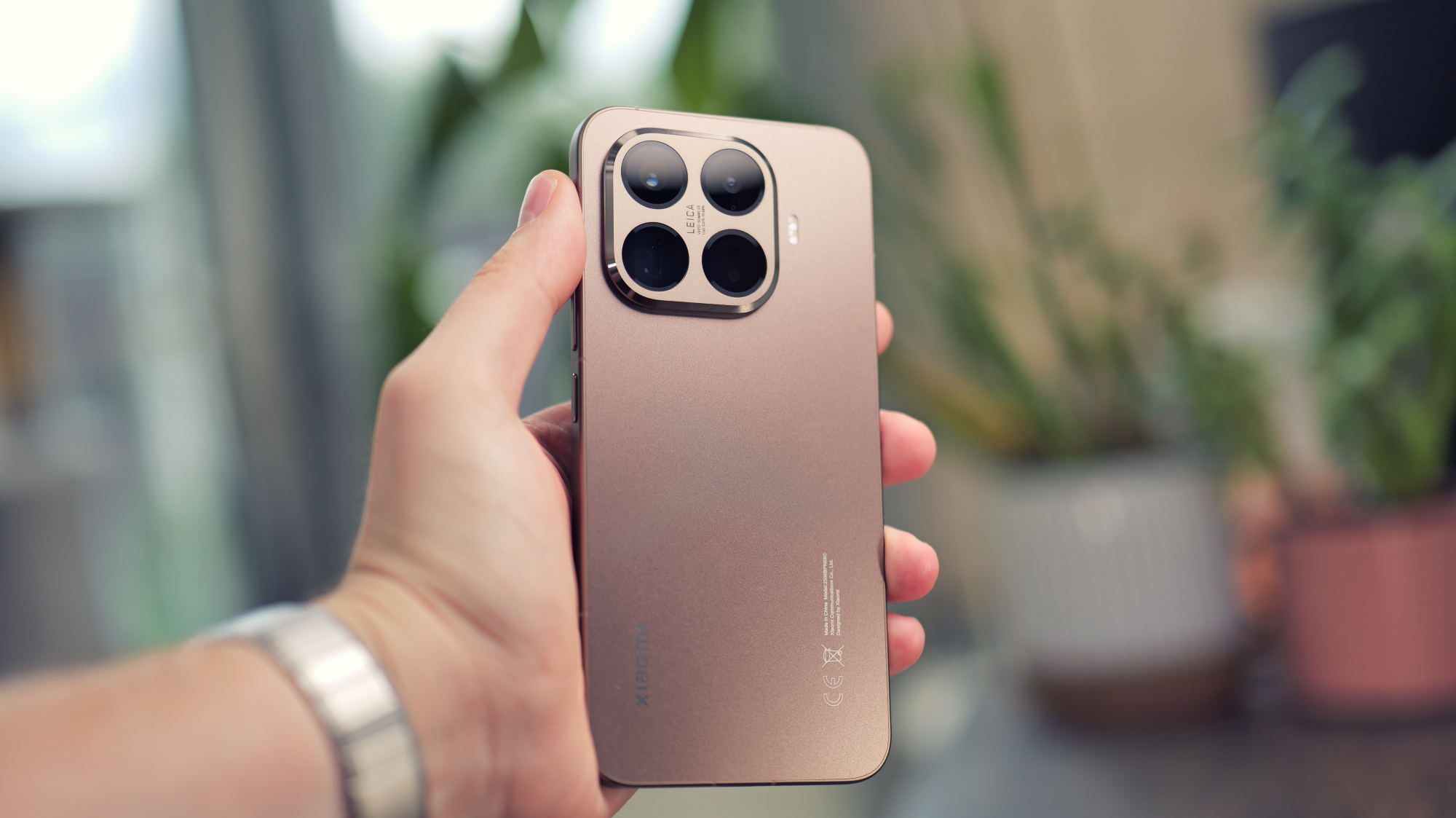
- Stylish design
- Massive screen
- Powerful performance
- Long battery life and speedy charging
- Solid camera system
Cons
- Ultrawide camera could be better
- HyperOS is a little divisive
With a starting price of £699 at launch, the Xiaomi 15T Pro sits right at the top of what we’d consider to be a mid-range phone. However, it’s the one phone in this round-up that feels almost indistinguishable from a flagship.
Everything about the 15T Pro’s hardware is top-tier, from a gorgeous 6.83-inch AMOLED display to superb performance from the MediaTek Dimensity 9400+ chipset. A strong camera system includes an impressive new periscope telephoto, while support for 4K 120fps is a big upgrade for video.
With great battery life from the 5500mAh cell and rapid 90W charging, plus a premium, flagship-level design, there’s very little to dislike here.
In fact, aside from an underwhelming ultrawide lens, the only real issue is Xiaomi’s HyperOS Android, which isn’t for everyone.
The Xiaomi 15T Pro isn’t much cheaper than many flagships, but it does offer the complete phone hardware of any mid-range phone right now.
Who should buy the Xiaomi 15T Pro?
Anyone who wants a mid-range phone with flagship-level performance or top-tier cameras (minus the ultrawide).
Xiaomi 15T Pro: Further considerations
The regular Xiaomi 15T starts at £549 and has plenty in common with the Pro. However, look to other brands if you value a clean software experience or are based in the US.
Read our full Xiaomi 15T Pro review
6. Xiaomi Poco F8 Pro – Best Performance
Pros
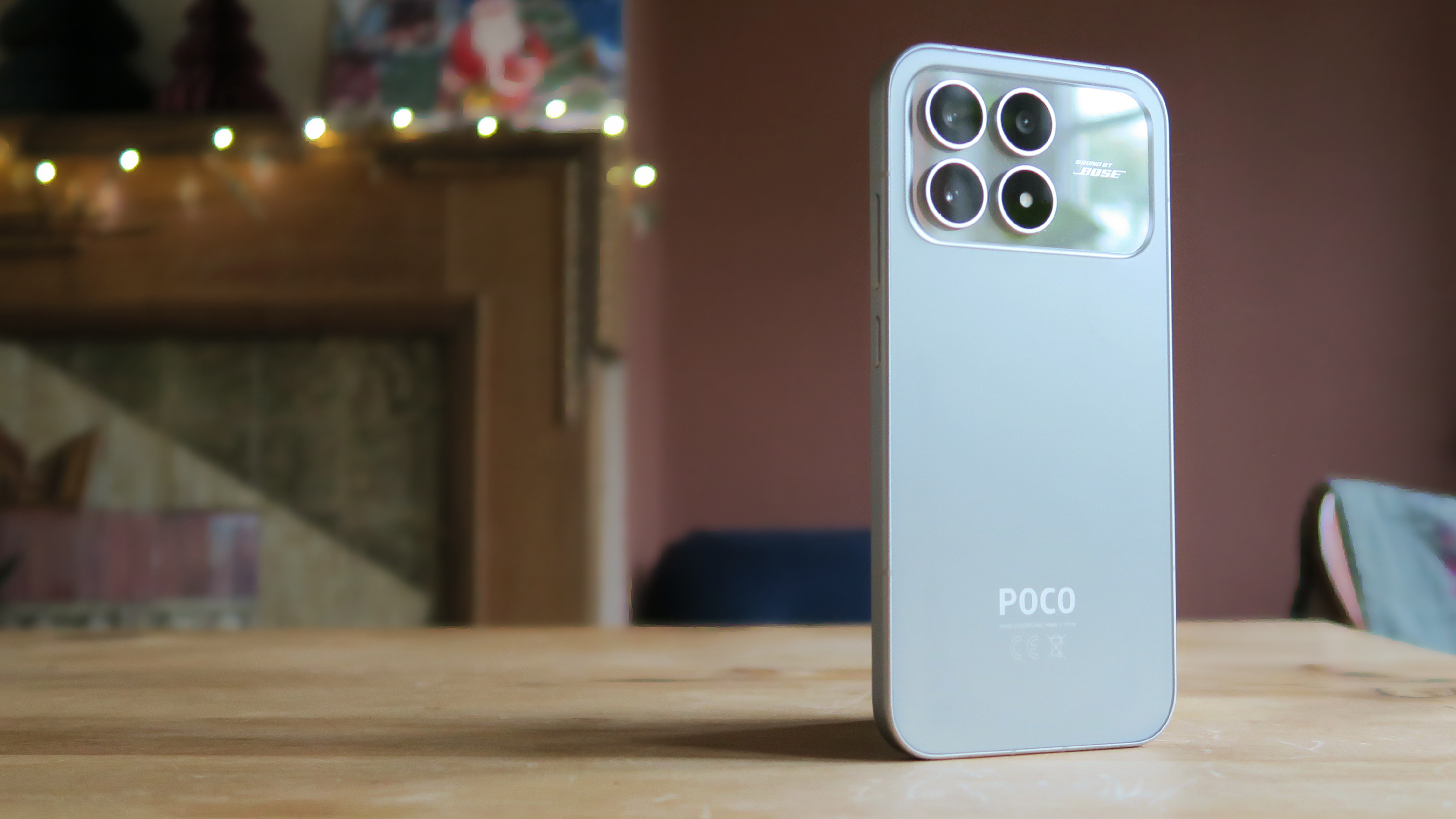
- Premium design touches
- Great performance
- Super-fast charging
- Decent display and speakers
Cons
- OS includes baked-in ads
- Software support could be longer
- Middling cameras
- No wireless charging
The Poco F8 Pro is another very impressive phone from the Xiaomi sub-brand, offering a premium experience that belies its relatively affordable price tag.
Excellent build quality and an attractive display help showcase the F8 Pro’s best attribute – stellar performance. You also get the all-too-rare combination of strong battery life from the 6210mAH cell and a rapid 100W fast charging, even if the wireless equivalent is missing.
With an impressive Bose-tuned speaker experience and decent cameras, the Poco F8 Pro has a lot going for it.
However, its biggest weaknesses remain on the software side, with an often confusing user experience that’s littered with ads. Ultimately, this is the main reason it’s not higher in this round-up, but it’s undoubtedly still worth considering.
Who should buy the Poco F8 Pro?
Anyone who doesn’t want to compromise on the fundamentals of design, performance, battery life and charging.
Poco F8 Pro: Further considerations
Look elsewhere if you value an intuitive software experience or are based in the US.
Read our full Xiaomi Poco F8 Pro review
7. Motorola Edge 60 Pro – Best Design
Pros
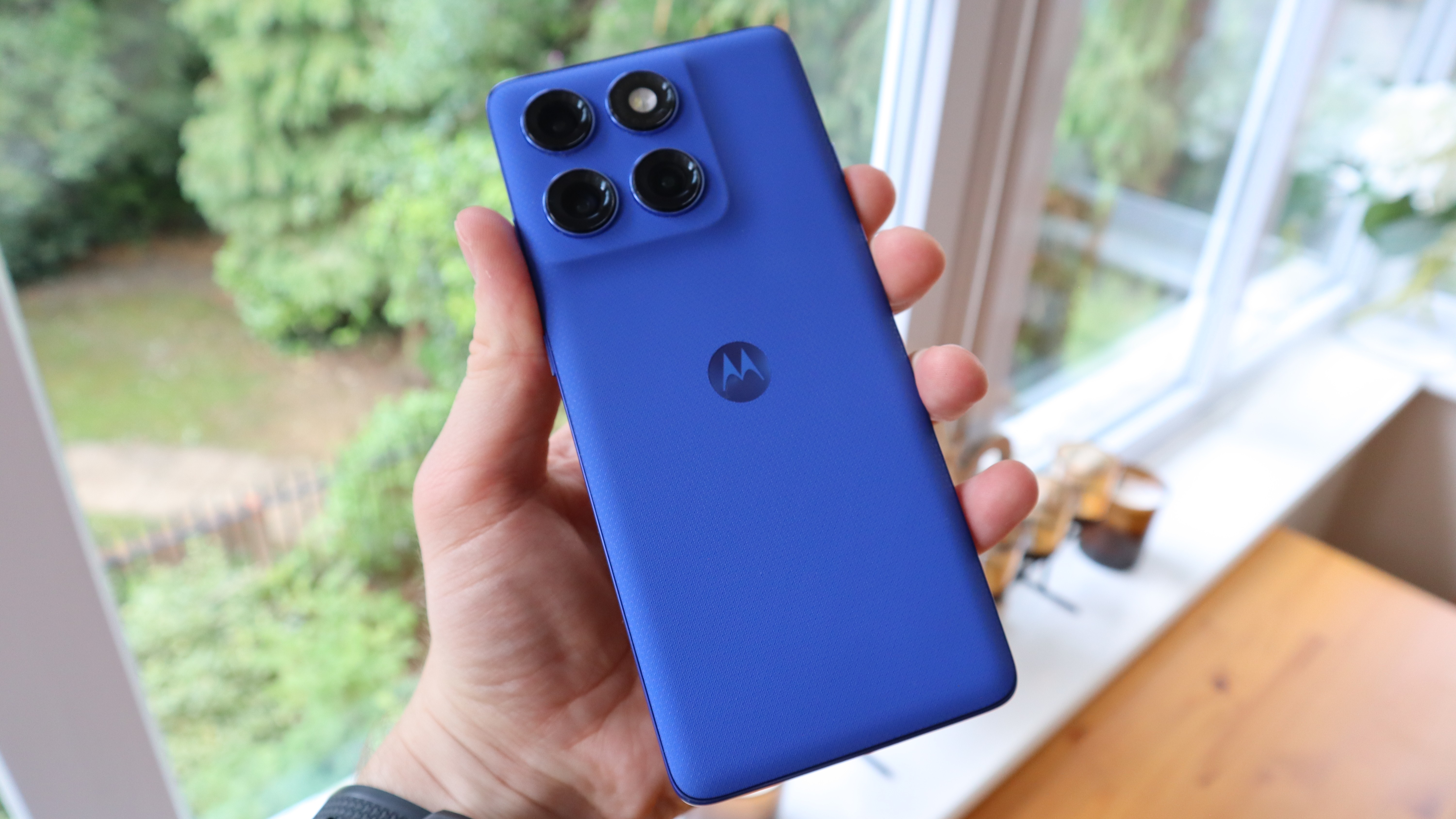
- Stand-out design
- Easy-to-use Android software
- Solid battery life
- Excellent screen
Cons
- Middling software support
- Moto AI needs work
- Charging speed downgraded
- Not available in the US
If a good-looking phone is your top priority, look no further than the Motorola Edge 60 Pro.
Its gorgeous range of textured finishes and bright Pantone-inspired colours allows you to add a splash of personality without sacrificing grip. With impressive durability credentials too, you can’t get much better than the Edge 60 Pro when it comes to design.
There’s a lot to like elsewhere, too, with strong battery life from the sizeable 6000mAh cell and a gorgeous 6.7-inch pOLED screen. MediaTek’s Dimensity 8350 chipset delivers strong all-around performance, while the rear cameras perform very well when the light is good.
While the general software experience is good, there are drawbacks. Motorola’s implementation of AI features still needs work, while the company’s commitment of just three years of OS upgrades and an extra year of security patches is underwhelming when the cheaper Pixel 9a gets seven years of both.
However, very few phones can match the Edge 60 Pro in the design stakes, making it an impressive mid-range option.
Who should buy the Motorola Edge 60 Pro?
Anyone who wants the best-looking mid-range phone you can buy right now, plus a close to ‘stock’ Android software experience.
Motorola Edge 60 Pro: Further considerations
Look elsewhere if you want long software support or are based in the US.
Read our full Motorola Edge 60 Pro review
8. Samsung Galaxy A56 5G – Best for AI
Pros
- Thin and light design
- Strong software experience
- Useful AI features
- Attractive display
Cons
- Disappointing secondary cameras
- Not great for gaming
- Lacklustre speakers
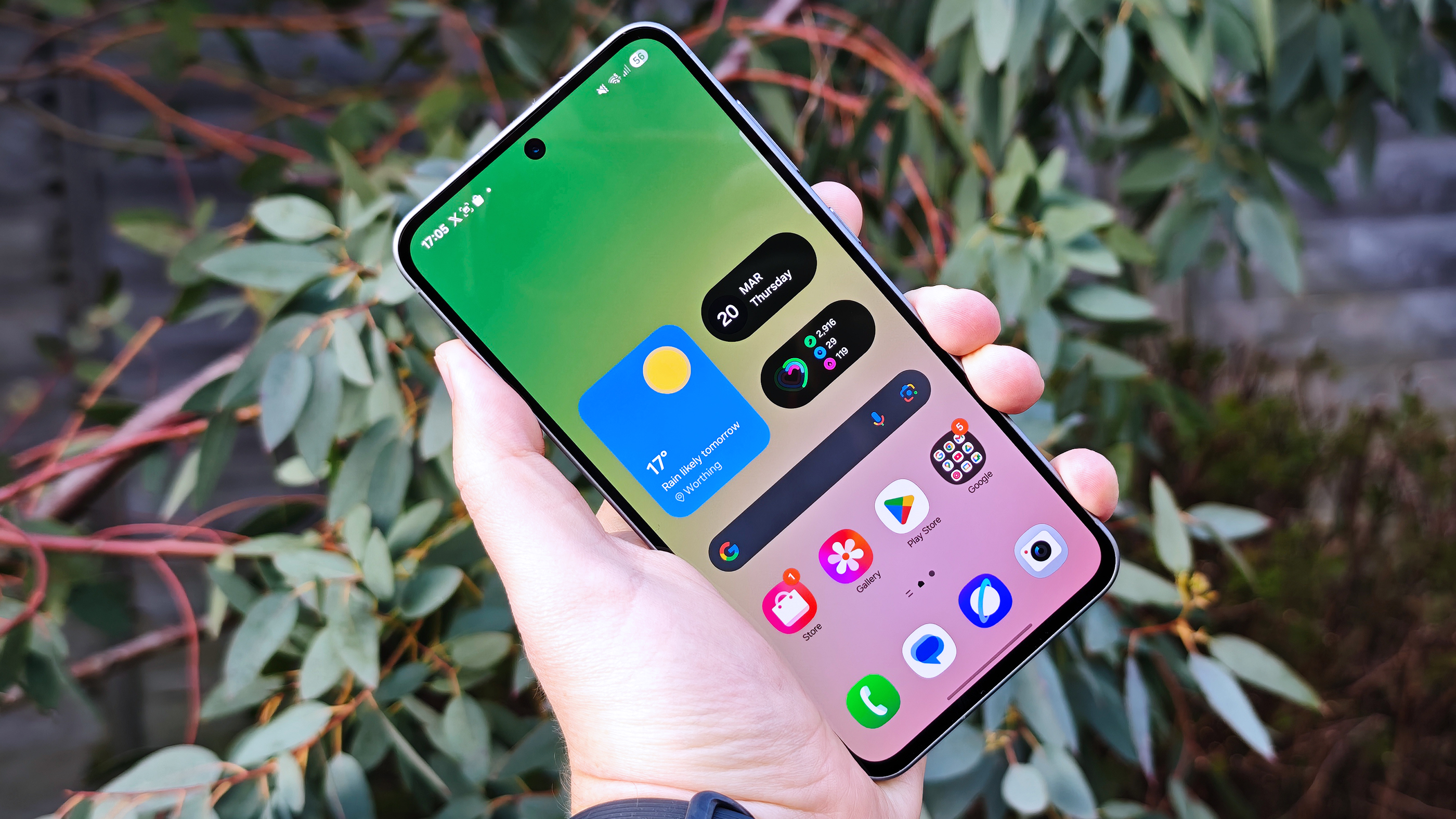
In many ways, the Galaxy A56 is a Galaxy S25+ at a mid-range price.
It offers a premium design, an attractive display and solid everyday performance, making it an appealing choice. And in One UI 7, you get one of the very best software experiences, complete with genuinely useful AI features. Samsung also offers an impressive six years of both OS and security updates.
However, performance for anything more demanding can prove problematic, while a decent main rear camera is let down by the supporting lenses. You’re also better off connecting Bluetooth headphones than relying on the lacklustre speakers.
The Galaxy A56 offers a lot for its mid-range price, but it’s not brilliant value. It’s a reliable choice, but you might find one of the phones above to be a better choice.
Who should buy the Samsung Galaxy A56?
Anyone who regularly uses AI features on their phone, or who values the familiarity and long software support of a Samsung.
Samsung Galaxy A56: Further considerations
Look elsewhere if you want strong supporting cameras or top-tier performance. The Galaxy A57 is set to arrive soon.
Read our full Samsung Galaxy A56 review
9. iPhone 17e – Best Value iPhone
Pros
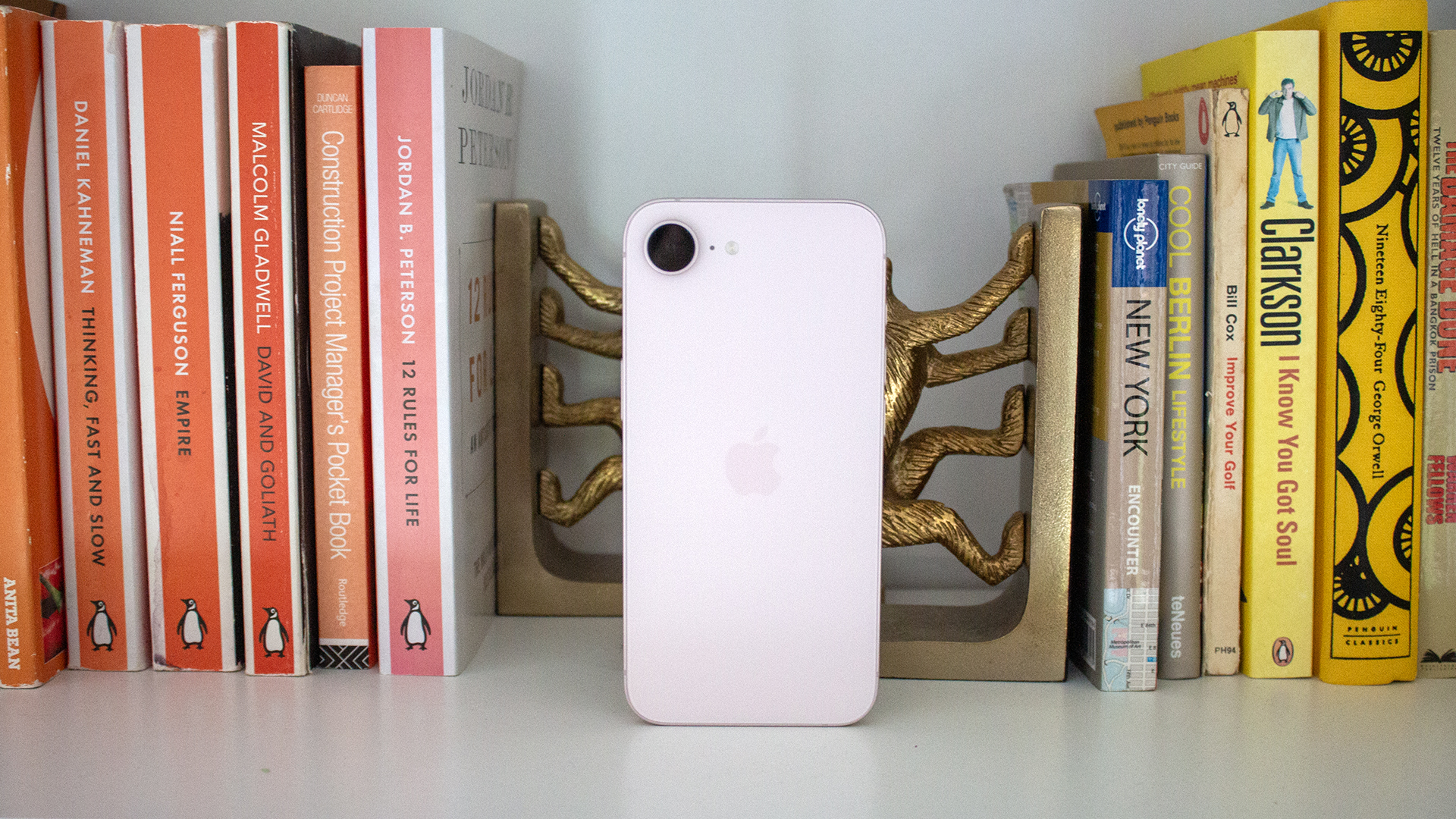
- Lovely, compact design
- Great performance
- Brilliant battery life
- MagSafe now included
Cons
- Display only 60Hz
- Charging tops out at 20W wired
- No Camera Control button
- Doesn’t have iPhone 17’s front camera tricks
It’s no secret that when the iPhone 16e launched, we were all scratching our heads, trying to understand who it was designed for when you could just pick up a previous-gen option like the iPhone 15 for around the same price or even less. Well, Apple’s mid-range replacement to the SE range now makes a lot more sense in the iPhone 17e – a solid all-rounder that’s sure to please a decent group of people.
There are quite a few reasons why this newer handset stands out, chief among them is the inclusion of MagSafe, which was such an odd omission on the 16e. Now, you can use the plethora of MagSafe-enabled accessories with the 17e, including chargers, wallets, power banks and stands, which improves the overall usability of the phone.
Elsewhere, there’s the newer A19 chipset, which is the same CPU found in the pricier iPhone 17, and it does a great job of showing off iOS in its best light. Throw in the move to having 256GB storage as standard (at no extra cost) with the more durable Ceramic Shield 2 on the display, and it quickly becomes apparent that the 17e isn’t just a good mid-range pick, it’s a solid iPhone overall.
Because this is a ‘budget’ device as far as Apple is concerned, you do have a few returning caveats such as the absence of an ultra-wide camera, and pretty slow charging that caps out at 20W, but these issues won’t be dealbreakers for a lot of people. The real allure is in long-term value, as the A19 is Apple Intelligence-ready and is set to receive the latest iOS updates for many years to come.
Who should buy the iPhone 17e?
Apple enthusiasts who want an inexpensive (by Apple standards) upgrade.
iPhone 17e: Further considerations
Even though it can take great pictures, the 17e’s camera system isn’t as versatile as most other mid-range phones.
Read our full Apple iPhone 17e review
10. Nubia Redmagic 11 Pro – Best for Gaming
Pros
- Excellent performance
- Upgraded cooling system
- Great battery life
- Dedicated gaming features
Cons
- Some bloatware
- Hit-and-miss cameras
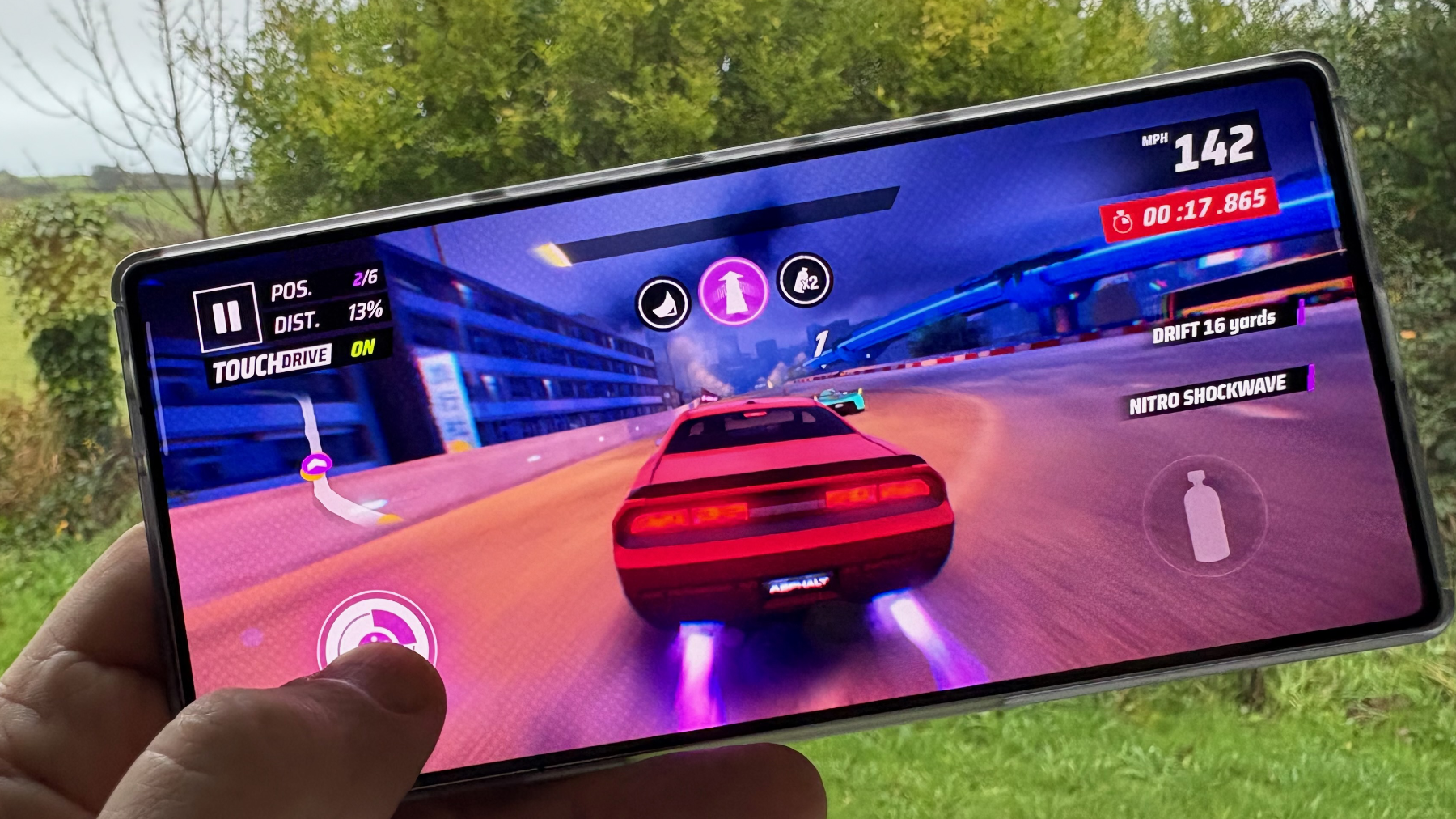
Is gaming on your smartphone a top priority for you? If so, our recommendation is very simple: get the Redmagic 11 Pro.
Nubia’s latest dedicated handset for gamers is a triumph, taking the already-excellent performance to the next level thanks to the Snapdragon 8 Elite Gen 5 chipset. Crucially, this is combined with an advanced liquid cooling system, ensuring sustained performance throughout long gaming sessions.
The other vital feature – battery life – is taken care of by a giant 7,500mAh cell that should ensure around 7-8 hours of continuous gameplay.
It’s everyday use where you’ll notice some downsides, with unreliable cameras and some added bloatware. The bulky design also won’t be for everyone.
But if you’re serious about mobile gaming, it doesn’t get any better than the Redmagic 11 Pro.
Who should buy the Nubia Redmagic 11 Pro?
Anyone who wants a no-compromise gaming experience on a mid-range phone.
Nubia Redmagic 10S Pro: Further considerations
Look elsewhere if you need great everyday software or top-quality cameras.
Read our full Nubia Redmagic 11 Pro review
Other mid-range phones tested
At Tech Advisor, we review dozens of mid-range phones each and every year, but this article only highlights the 10 that are best for most people.
It means we’ve had to exclude lots of very good handsets that are still worth considering, examples include:
- OnePlus Nord 5
- Nothing Phone (3a) Pro
- Samsung Galaxy A36
- Honor 400 Pro
- Xiaomi 15T
- Xiaomi Redmi Note 15 Pro
- Oppo Reno 13 Pro
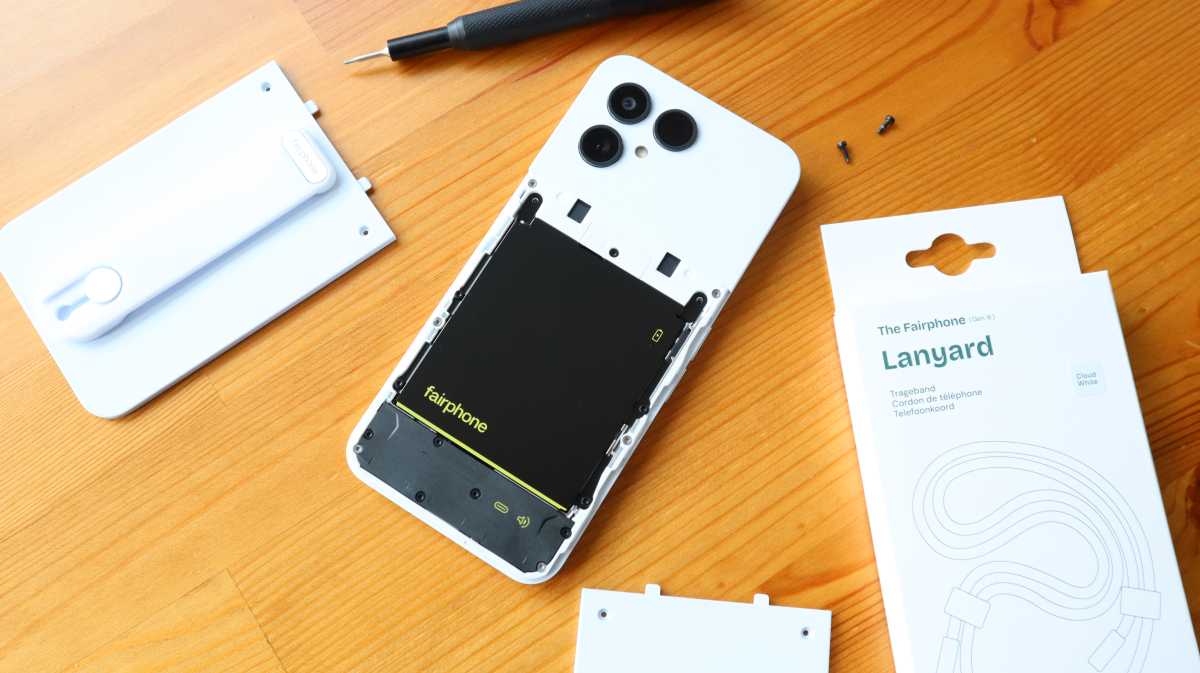
We wanted to specifically highlight the Fairphone 6, which is undoubtedly the best phone you can buy if sustainability is your top priority. However, as far as pure specs go, it’s a step behind the top 10 above.
Thomas Deehan / Foundry
If battery life is your main concern above any other feature, then you should absolutely consider the Honor Magic 8 Lite. While the phone doesn’t do quite enough to secure a spot on this list, when it comes to sheer longevity between charges, there are very few mid-range phones (or any phones really) that can match it.
The device packs a 7500mAh battery which, from our testing, could run for an almost unheard of three days in normal use. For a long weekend, it’s an epic phone to have on hand.
Alternatively, if you’re the type of person who drops their phone fairly regularly (no judgement here) then the Xiaomi Redmi Note 15 Pro+ could be better suited to your needs thanks to a rugged design that’s bolstered by IP66 and IP68 ratings.
The 6500mAh cell and 100W charging make it a similar battery beast like the Honor Magic 8 Lite, but it’s held back from greatness due to slightly outdated chipset performance and cameras that don’t go quite far enough. Still, for durability alone it’s worth a mention.
Mid-range phone news that could affect your buying decision
With the vast majority of phones typically replaced with a newer model every 12 months, and many contracts today lasting 24-36 months, deciding whether to buy now or wait for the next generation is always a tough decision. Ultimately, it is a personal choice that is going to be affected by what you can afford and when, but it’s good to know you’re not going to regret your decision almost immediately.
For instance, the Samsung Galaxy S25 FE will be treated to seven years of software updates from the time of launch, so you’ll be able to use it for quite some time to come. Speaking of Samsung, leaks for the upcoming Galaxy A57 and A37 phones are in full swing as they’re set to debut any moment now, and we anticipate also hearing more about the even cheaper A27 in due course.
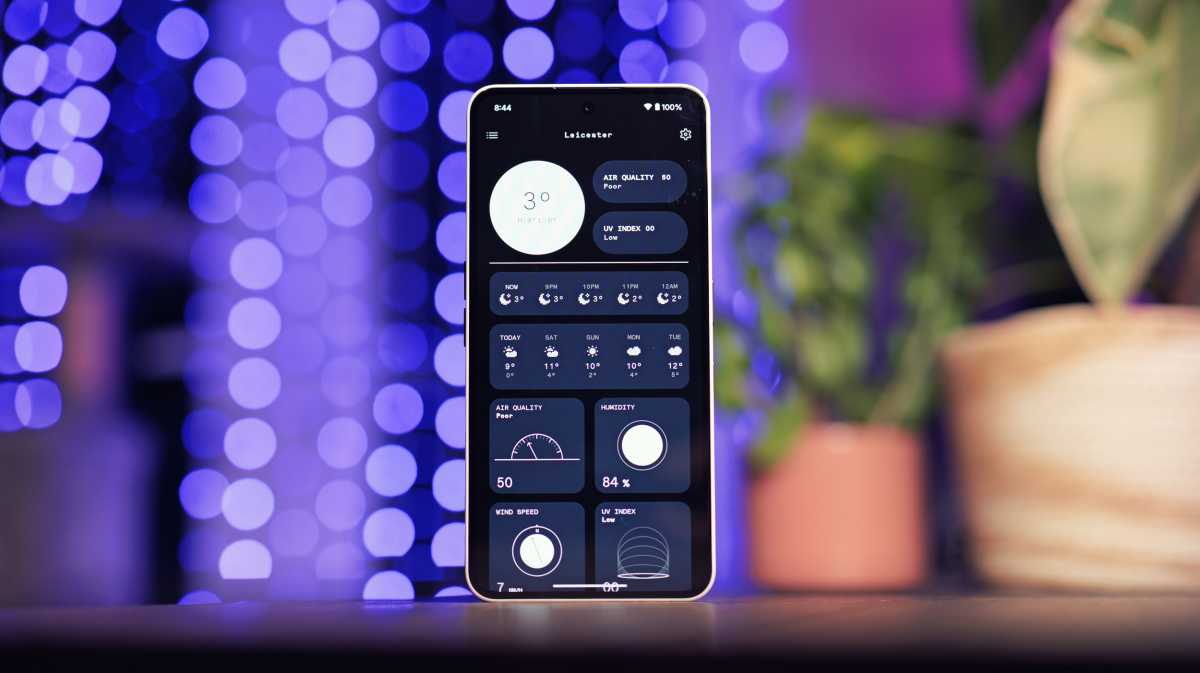
The Google Pixel 10a has also been announced and we’re testing it at the moment. However, it seems unlikely to worry the chart considering how similar to the 9a is and that model is now a lot cheaper.
Luke Baker
Also, keep an eye out for our review of the Nothing Phone (4a) Pro. Given its pricing of £499/$499, the (4a) Pro is eligible for a slot on this list, but only if it is able to perform well when put to the test by one of our tech experts.
If you plan on shopping around that specific price point, then it’s worth waiting to see if you should also consider the (4a) Pro in your list of potential upgrades.
Can I get a better phone deal?
The prices displayed in our list of the best phones are updated daily, making sure you always see the top phone deals. Our recommendations are based on design, performance and typical value, among other things, but with retailer and mobile operator prices changing daily, we cannot factor in deals in the same way.
Remember that a great deal could make a phone that appears lower down this list more attractive than one that sits at the top.
Amazon Prime Day is the big sales event of the summer, while Black Friday is saved for the final weekend of November (although some retailers tend to offer their discounts for the entirety of the month). Keep an eye on the January sales, too, as well as other sales around specific holidays such as Easter.
Another way to get a great deal is to consider buying a refurbished phone. Not only will you get it cheaper, but it’s also more eco-friendly. Alternatively, Raylo’s subscription service is a helpful tool for picking up phones and other tech in an alternative way.
How we test mid-range phones
Like any smartphone, the true test of a mid-range phone is in regular, everyday usage. So, that’s exactly what we do.
For every mid-range phone we review, we put our personal SIM in it (or set up an eSIM) and use it as our main device for at least a week, often much longer.
This length of time allows for insights that just aren’t possible in a few days, such as camera testing in a range of different environments and long-term battery life impressions. To enable comparisons, we also run a specific set of benchmarks on every mid-range phone, but don’t rely on these to draw any significant conclusions.
Read more about how we test smartphones.
Why you should trust Tech Advisor for mid-range phone reviews and buying advice
Tech Advisor has been covering mid-range smartphones ever since the category was defined following the original iPhone’s release in 2007 and Android’s arrival a year later. In the nearly two decades since, we’ve tested phones from every mid-range phone maker you can think of, including Apple, Samsung, Google, OnePlus, Motorola, Nothing, Xiaomi, Honor and many more.
They continue to form a core part of our coverage, offering an attractive middle ground between low-cost budget phones and high-end flagship handsets. We review new mid-range phones every month, drawing on the many decades of combined experience from an expert in-house team and trusted contributors.
Who curated this article?
Our full-time Mobile Editor, Anyron, is the lead on this list of the best mid-range phones. He spends almost all his time testing, reviewing and writing about phones and is often among the first in the world to get hold of the latest models. Our Reviews Editor, Chris, who has been testing phones for 15 years, provides assistance.
How to choose the best mid-range phone
When choosing a mid-range phone, you should consider these things: build quality and design, display, performance, cameras, battery life, software and value for money.
At Tech Advisor, we define a mid-range phone as costing between £300/$300 and £700/$700 when bought outright, though contract prices will vary significantly depending on availability, the network you choose and how much data you need.
If you have limited money to spend, we’d suggest looking at our best budget phone round-up first. And only return here if you don’t find something that suits your needs.
Buying a phone outright will usually give you the best value, but we appreciate that finances in the real world don’t always accommodate such big one-off purchases. If you can afford to buy the phone outright, you’ll obviously also need to factor in the cost of the plan.
FAQ
What is the best mid-range phone?
This will vary depending on your needs, but the Samsung Galaxy S25 FE is the best mid-range phone for most people. Despite undercutting more premium handsets, it still feels like a flagship in the hand and with a massive 6.7-inch AMOLED display, it’s a great all-rounder for browsing the web, streaming entertainment and gaming on the go.
What is the best cheap mid-range phone?
The best cheap mid-range phone for most people is the Nothing Phone (4a). It offers a compelling blend of unique design, highly customisable software and great battery life, all for an impressively low price.
What does mid-range mean in phones?
There’s no technical definition, but at Tech Advisor, we define mid-range phones based on price: anything that costs more than £300/$300 but less than £700/$700 if you buy it SIM-free.
Anything cheaper than that is a budget phone, while anything more expensive is a flagship handset.
What is the best mid-range iPhone?
Apple currently only sells one mid-range iPhone – the iPhone 17e. Although there are a few caveats to bear in mind, it is a much better phone than its predecessor, and finally worth recommending to those who want the Apple experience for less.
For the true bargain hunters out there, we’d suggest looking at previous-gen flagship models such as those from the iPhone 15 or 16 series, which are available at mid-range prices. Opting for a used or refurbished phone can also reduce prices significantly, as well as being more eco-friendly.
What is the best mid-range Samsung phone?
Currently, the best mid-range Samsung phone is the aforementioned Galaxy S25 FE. However, if you want to save a bit of cash, then the Samsung Galaxy A56 is also worth a look as it offers a thin and light design, an impressive software experience (including plenty of AI features) and long software support.
Why are some mid-range phones not available in the US?
If you’re based in the US, you’ll notice that not all of the best mid-range phones are available. Unfortunately, that’s because many of the biggest Chinese phone manufacturers simply don’t sell their products in the US.
Chinese phones are a great choice in the mid-range market because they regularly balance very good specifications with a lower price than you’d expect. The likes of Xiaomi, Poco and Oppo often offer excellent value, but for anyone in the US, they’ll be import-only, so make sure they support your carrier if you can find them via the likes of Amazon.
How much RAM is good for a mid-range phone?
That depends on what you plan to use it for, but we’d recommend 8GB as a minimum. Assuming the chipset is capable enough (we’ll indicate in full reviews whether that’s the case), this will allow you to perform all everyday tasks without running into any issues.
However, if you want to use your phone for more demanding tasks such as gaming, we’d recommend 12GB or more. Many of the most powerful phones on the market have 16GB of RAM.
Author: Anyron Copeman, Mobile Editor, Tech Advisor

Anyron is Mobile Editor at Tech Advisor, where he’s been a mainstay of the editorial team since 2019. In his current role, Anyron is responsible for all smartphone, tablet and mobile network coverage on the site. A BA Journalism graduate, he has experience with a wide range of consumer tech products and services, including smartphones, tablets, foldables, wearables and more.